 By st20113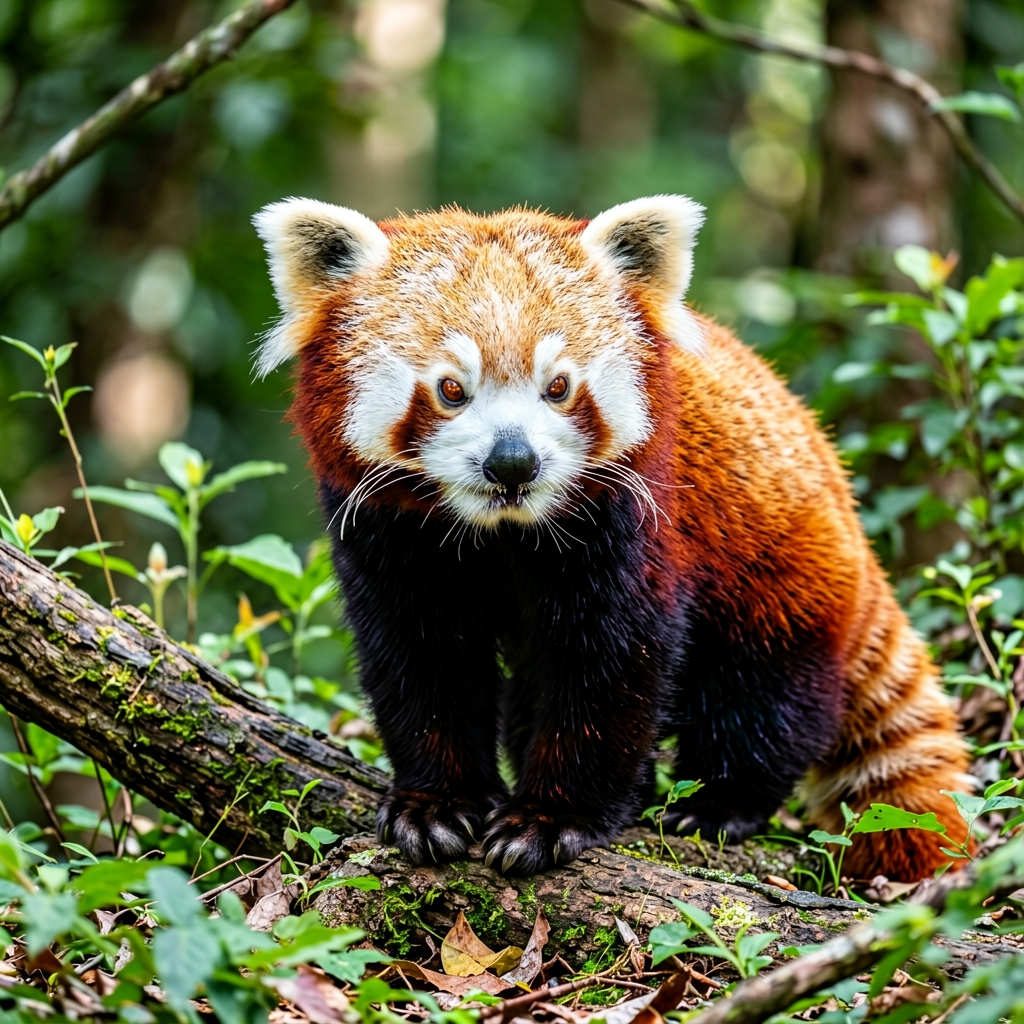
Ailurus fulgens | Red Panda
Introduction
The red panda, scientifically known as Ailurus fulgens, is a small arboreal mammal native to the eastern Himalayas and southwestern China. Despite its common name, it is not closely related to the giant panda. The red panda is a solitary, mainly nocturnal animal recognized for its reddish-brown fur, bushy ringed tail, and distinctive white facial markings. This charming creature has become an iconic symbol of wildlife conservation efforts across Asia.
Taxonomy
The red panda was first described by Frédéric Cuvier in 1825. For decades, scientists debated whether it belonged with raccoons or bears. Modern genetic studies have placed it in its own family, Ailuridae, making it the sole living member of that group. It is now classified within the order Carnivora but is considered a basal lineage. Two subspecies are generally recognized: the Himalayan red panda (A. f. fulgens) and the Chinese red panda (A. f. styani). Researchers continue to study whether additional subspecies may exist.
Physical Description
Red pandas measure approximately 50 to 64 centimeters in body length, with a tail adding another 28 to 48 centimeters. Adults typically weigh between 3 and 6 kilograms. Their coat is thick and plush, ranging from reddish-brown on the upper body to dark brown on the limbs and belly. The face features white patches around the eyes, ears, and mouth, giving them a mask-like appearance. Their semi-retractable claws and rough paw pads help them climb trees with remarkable agility. The long, bushy tail serves multiple purposes, including balance and warmth during sleep.
Habitat
Red pandas inhabit temperate forests at elevations between 2,200 and 4,800 meters across Nepal, Bhutan, India, China, and Myanmar. They prefer dense bamboo understories within montane broadleaf and coniferous forests. These animals are excellent climbers and spend much of their time in trees, where they nest in hollow trunks or dense foliage. They are found in protected areas such as Sagarmatha National Park, though habitat fragmentation remains a growing threat. Seasonal movements occur as they track food availability and avoid harsh winter conditions at higher altitudes.
Diet
Although classified as carnivores, red pandas are primarily herbivorous. Bamboo makes up nearly 98 percent of their diet, consisting of leaves, shoots, and stems. They supplement this with fruits, flowers, insects, bird eggs, and small rodents when available. Their digestive system is not highly efficient at breaking down cellulose, so they must consume large quantities daily. Red pandas have a pseudo-thumb, an extended wrist bone that helps them grasp bamboo stalks while feeding. This adaptation is remarkably similar to that of the giant panda.
Reproduction
Mating occurs between January and March, and females give birth after a gestation period of approximately 112 to 158 days. Litters typically contain one to three cubs, though twins are most common. Newborns are tiny, blind, and completely dependent on their mother. They remain in the nest for several weeks before venturing outside. Mothers are highly protective and solitary during this period. Cubs reach sexual maturity at around 18 months but often do not breed until their second year. In captivity, red pandas can live up to 15 years, while wild individuals typically survive 8 to 10 years.
Conservation
The red panda is classified as Endangered on the IUCN Red List. Population estimates suggest fewer than 10,000 mature individuals remain in the wild. Primary threats include habitat loss from deforestation, agricultural expansion, and infrastructure development. Poaching for their valuable fur and illegal wildlife trade further endanger these animals. Climate change is also altering the bamboo forests they depend on. Conservation organizations and local governments are working together to establish protected corridors and community-based monitoring programs. Learn more about related species at Snow Leopard and the challenges they face in shared mountain ecosystems.
Fun Facts
Red pandas use a scent-marking behavior called “spraint marking,” where they defecate on elevated sticks or rocks to communicate with other individuals. They possess a wrist gland that produces a waxy secretion used for territorial marking. Despite their cute appearance, red pandas can be quite vocal, producing sounds ranging from whistles to alarm huffs. They are also known for their “wrist-sprainting” behavior, where they lift their wrists and spray urine onto their clean forearms as a form of identification. The red panda was featured on the postage stamps of several countries and remains a beloved ambassador species for Himalayan conservation.