 By st20113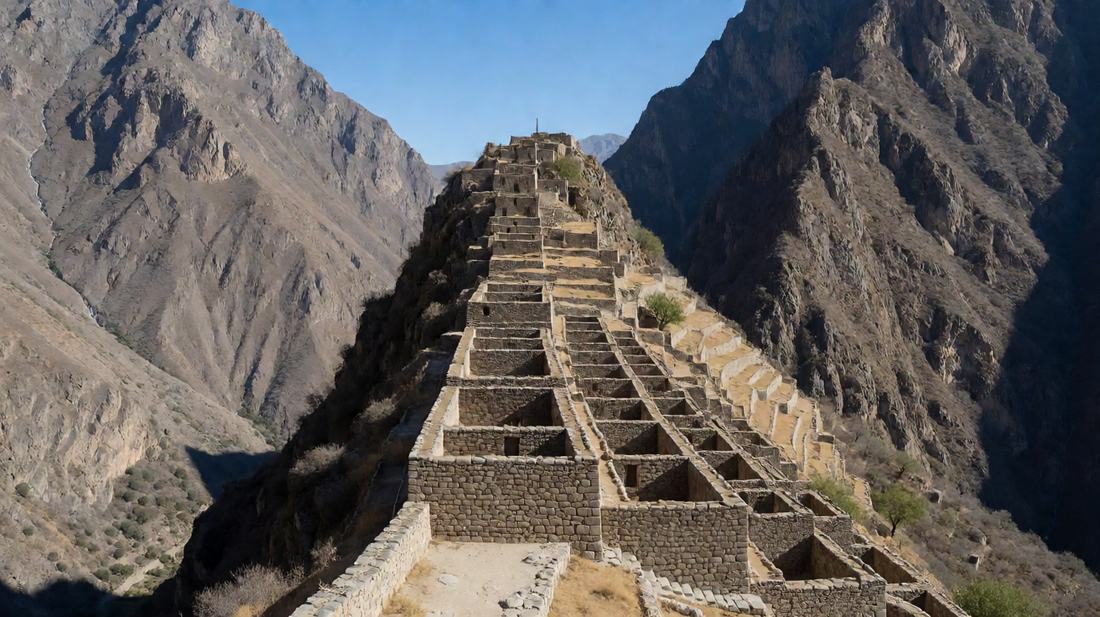
Machu Picchu | The City in the Clouds
Historical Profile · The Andes, Peru
Machu Picchu | The City in the Clouds
A stone city on a ridge at about 2430 m, built without mortar, drained from below, and never found by the Spanish.
c. AD 1450-1572
Built
Height
Walls
Abandoned
Listed
The big picture
Introduction
Machu Picchu stands on a ridge above a bend of the Urubamba river. It is in the Andes of Peru. It sits at about 2430 m above sea level. It was built in the middle of the 1400s.
It was most likely built for the emperor Pachacuti. It was lived in for less than 100 years. Then it was left and forgotten. The Spanish never found it and never destroyed it.
It was brought back to the world in 1911. It is now the best known site in South America.
Setting
Historical Context
The Inca Empire ran along the western side of South America. It stretched from what is now Colombia down to central Chile. It was put together in a little over 100 years. By the 1500s it held 10 million people.
It had a road system of about 40000 km. The Incas did not have writing as Europeans knew it. They kept records on knotted cords. They ran the state with labour service and stored food.
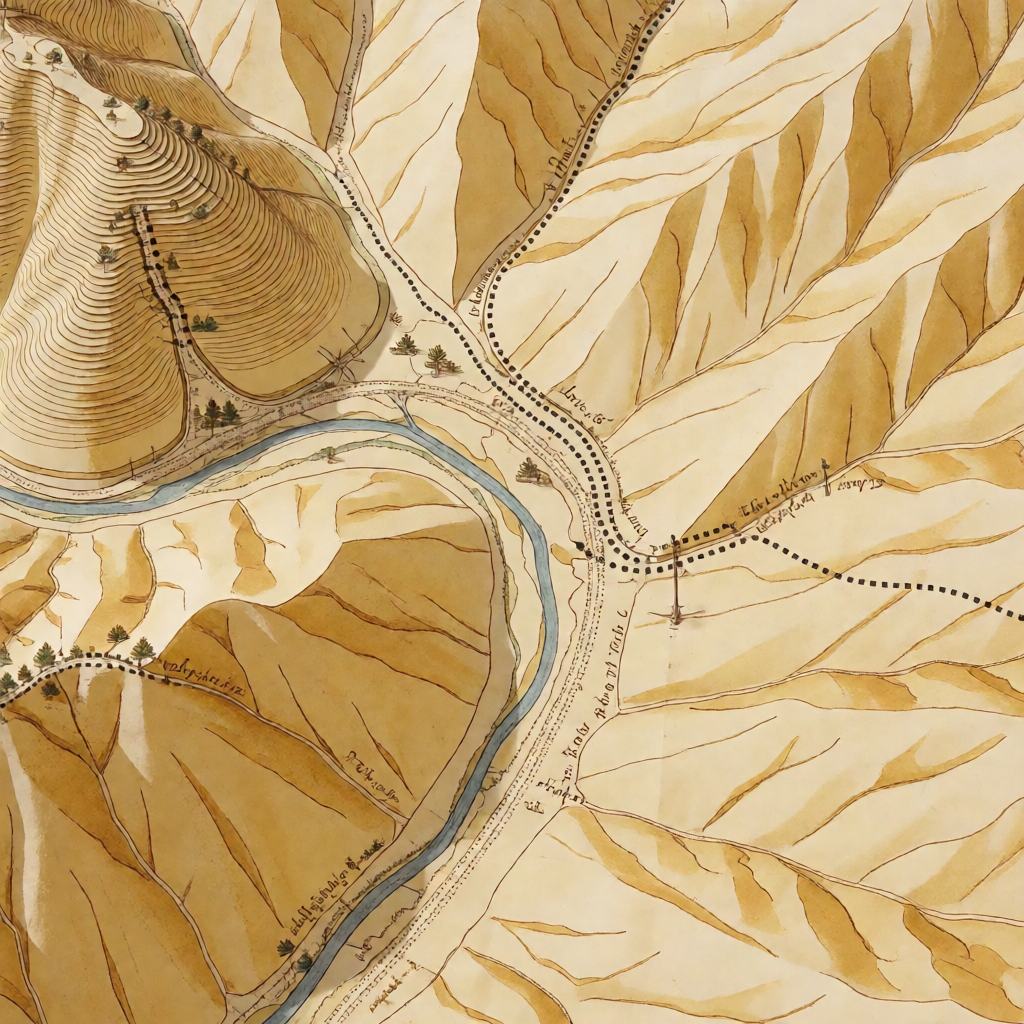
The heartland was the highland around Cusco. The Urubamba valley was one of the richest parts. It had good land for terracing and a route to the lowlands. Machu Picchu was built on the shoulder of that valley.
Turning points
Key Events
The site was built around 1450. The work was done during the reign of Pachacuti or just after. It used a workforce brought in for the task. Much of the building was finished within a few decades. The Inca state began to break in the 1520s. A civil war between two brothers was decided in 1532.
In the same year a small Spanish force took the emperor prisoner. The empire fell within a few years. Fighting went on in the highlands until 1572. Machu Picchu was already thinning out before the Spanish came. It was fully abandoned by about 1572. It stayed in local memory.
In 1911 an American historian called Hiram Bingham reached the ridge. Local farmers led him up. He found the walls still standing, hidden from below by the shape of the ridge. Work on clearing and recording the site began at once.
1
2
3
Who held power
People and Powers
The Inca ruler was the head of state. He was treated as a sacred figure. He was carried everywhere. Only a few people were allowed to look at his face. Below him stood the nobles of Cusco and the local lords.
The state ran on labour rather than money. Every household owed a share of its time to the ruler. That labour built the roads and the terraces. In return the state fed people in years of poor harvest. Machu Picchu was probably not a normal town.
It has no large market and no big open square. The buildings are laid out in small groups. Most scholars read it as a country palace for the ruler. A few hundred people lived there all year.
Everyday world
Daily Life and Society
Life on the ridge was organised around water and stone. The builders cut terraces into the slope. The terraces held the soil in place. They let the rain run down in steps instead of washing the hillside away. A channel was cut into the rock to bring water. It came from a spring higher up.
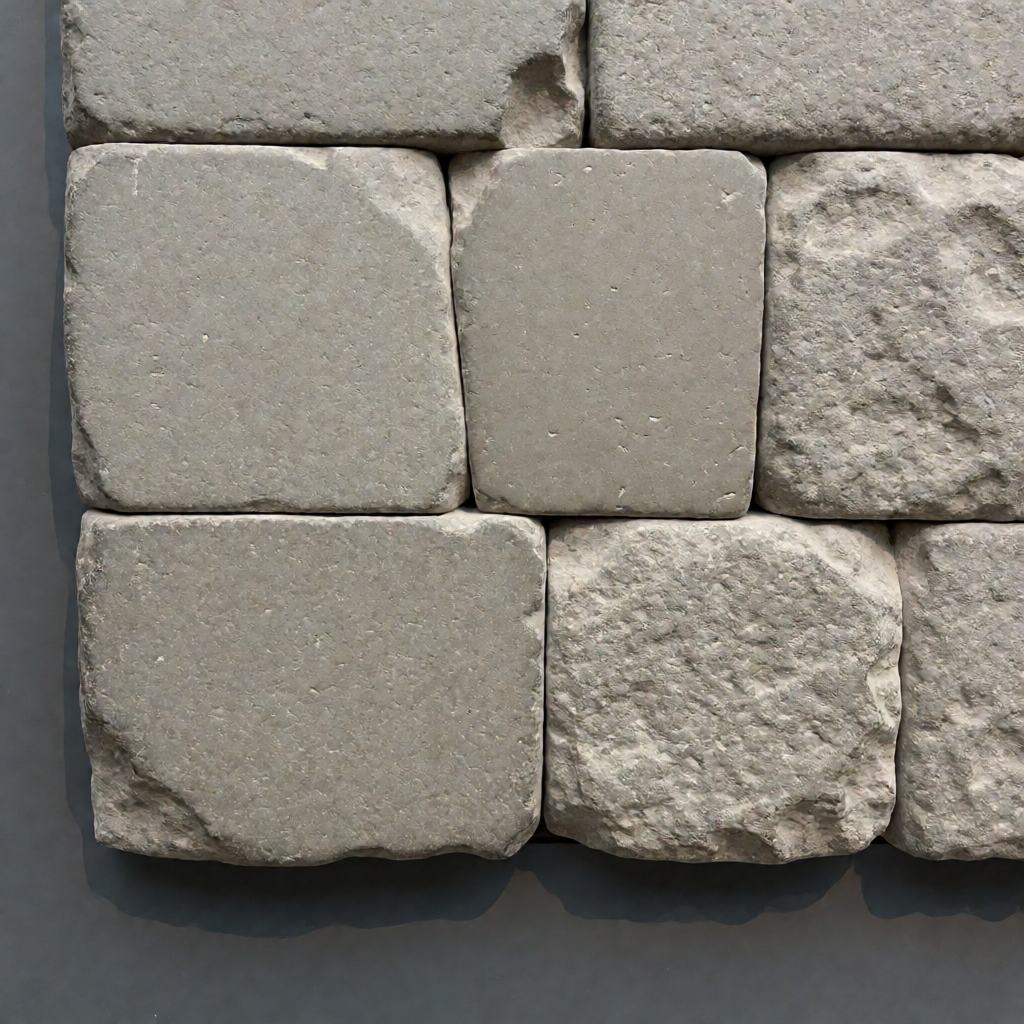
It still runs today. The buildings are of grey stone. The blocks were cut to fit so closely that no mortar was needed. Roofs were of light material. None of them survive. The main structures were used for ceremony.
A carved rock stands on a raised platform in a small square. It points to the position of the sun at the solstices. Most people worked at small tasks. They cooked, wove cloth and made pottery.
Craft and ideas
Trade, Technology and Ideas
The engineering is the lasting achievement. One side of the ridge drops away steeply. The builders cut deep drains under the terraces. They laid a layer of loose stone below the floors. Rainwater passed through instead of pushing the walls out. The drainage still works. The stonework has no equal in the region.
Some walls are made of blocks cut to fit exactly. There is only a thin joint between them. No cement of any kind was used. Buildings of that kind stand through earthquakes. The site also sits on a road. A branch of the Inca road system ran through the valley. It linked Machu Picchu to Cusco.
Messengers moved along those roads in relays. Goods moved along them on the backs of porters. Other American cities had been planned long before this one. The great cities of the Maya city-states were laid out on flat ground. Their builders worked without metal tools. The Incas built in the mountains, with terraces instead of squares.
What lasted
Legacy
Machu Picchu was listed as a world heritage site in 1983. It is the most visited site in Peru. About 1.5 million people arrived in some recent years.
The numbers forced limits on visitors each day. The site is also a symbol. For many people in the Andes it stands for an older world.
The walls are stable. The paths and terraces wear under the weight of the crowds.
Quick hits
Five Things to Remember
- Machu Picchu was built around 1450 and abandoned by about 1572.
- It stands at about 2430 m above sea level in the Andes of Peru.
- Its walls are cut to fit so closely that no mortar was used.
- The Spanish never found it, and it was recorded again in 1911.
- It became a world heritage site in 1983.