 By st20113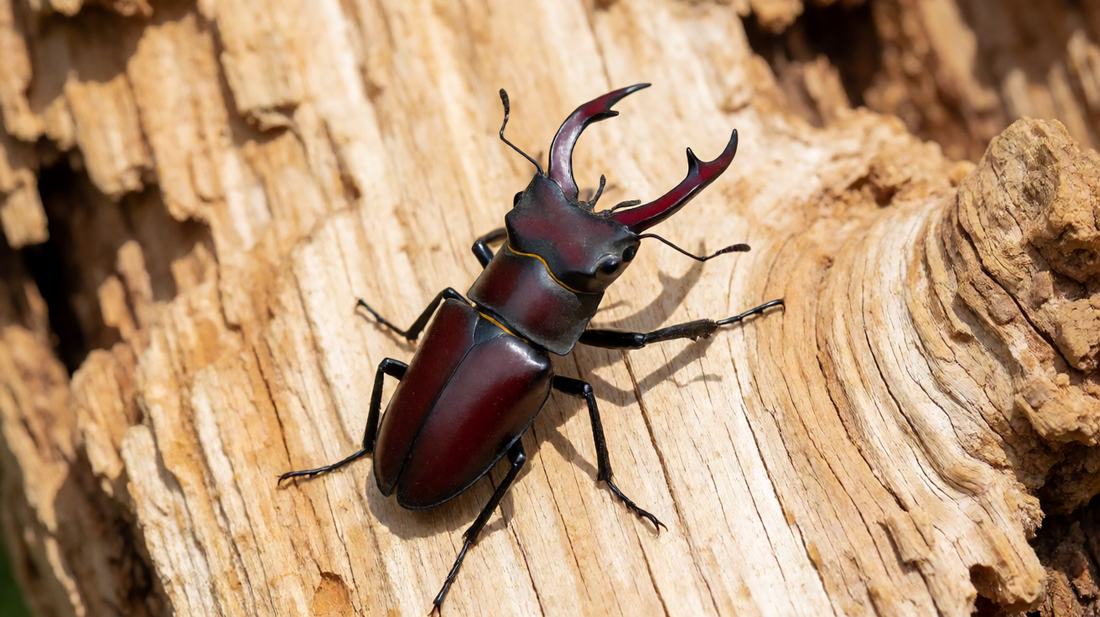
Lucanus elaphus | Giant Stag Beetle
Species Profile · Lucanidae
Giant Stag Beetle
A big North American beetle whose males carry antler-like jaws used for wrestling, not for eating.
Not evaluated
Length
Jaws
Larvae
Adults
Fight
Rating
The Giant Stag Beetle
Jaws made for wrestling
This is the biggest stag beetle in North America. A male runs 45 mm to 60 mm long. Half of that length is jaw.
Two curved mandibles branch like antlers. Females stay smaller, near 30 mm. Their jaws are short and plain.
Because the beetle hides by day, most people meet it at a porch light. Adults fly from May to July. Though the jaws look deadly, a male uses them on other males far more often than on anything else, and a human hand rarely feels more than a pinch.
Family tree
Lucanidae, the stag beetles
This beetle sits in the stag beetle family, Lucanidae. Fabricius described it in 1775. Its genus name comes from Lucania, a region of Italy. The word elaphus is Greek for stag.
That refers to the antler shaped jaws. One old spelling error changed the common name. Some books call it the elephant stag beetle. An odd label for a beetle with no trunk.
Its closest relative is the Stag Beetle of Europe. Because DNA work shows very little variation across its range, the species looks like one stable line rather than a set of hidden ones.
60 mm with long jaws
How to tell one
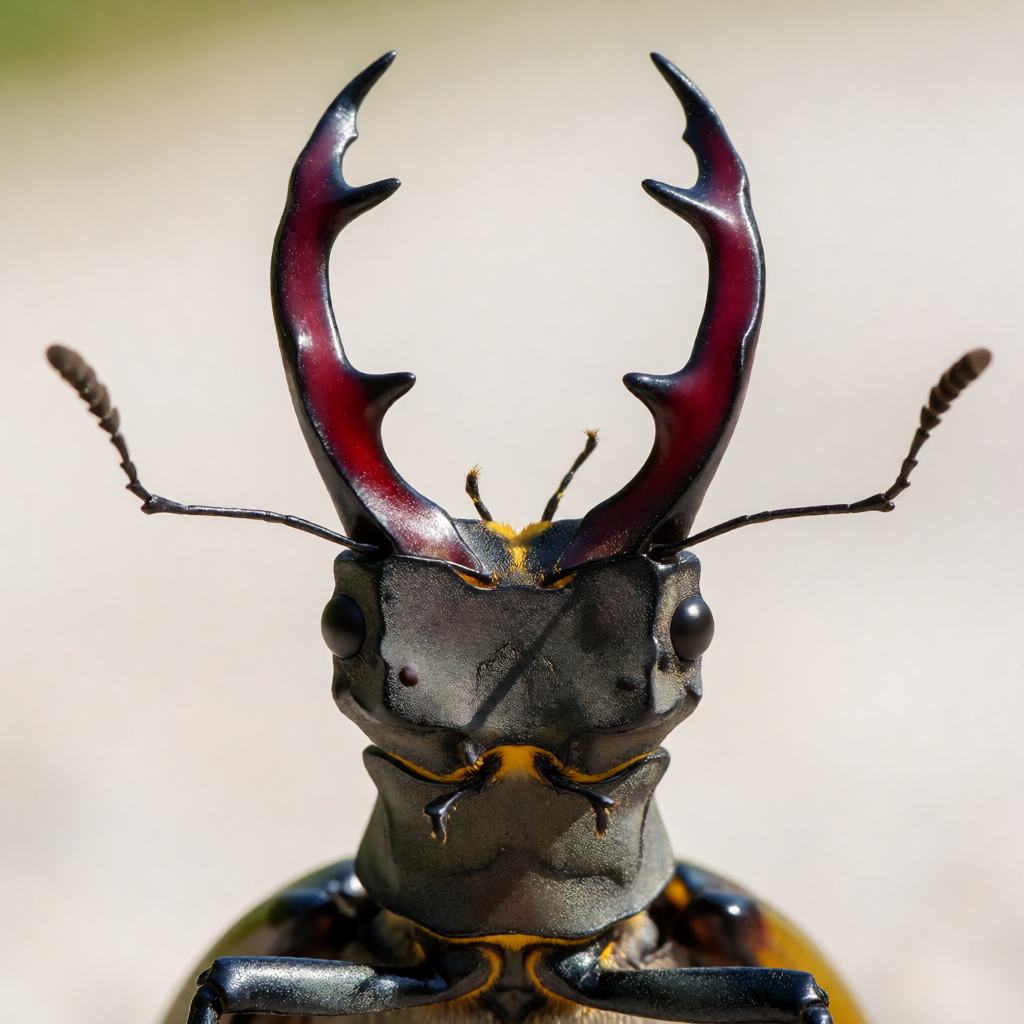
Adults wear glossy reddish brown to black. The shell is thick and hard. Mandibles curve inward and upward. Each one carries a small inner tooth.
A wide head shield sits behind them. Males fight with the jaws, not with the legs. A winner grips and flips his rival. Adults cannot chew solid food.
They drink sap and juice instead. Because the exoskeleton is so heavy and the wings so short, flight is a slow, noisy business that seldom carries the beetle more than a few hundred metres.
1
2
3
Rotting hardwood and old stumps
Where it lives
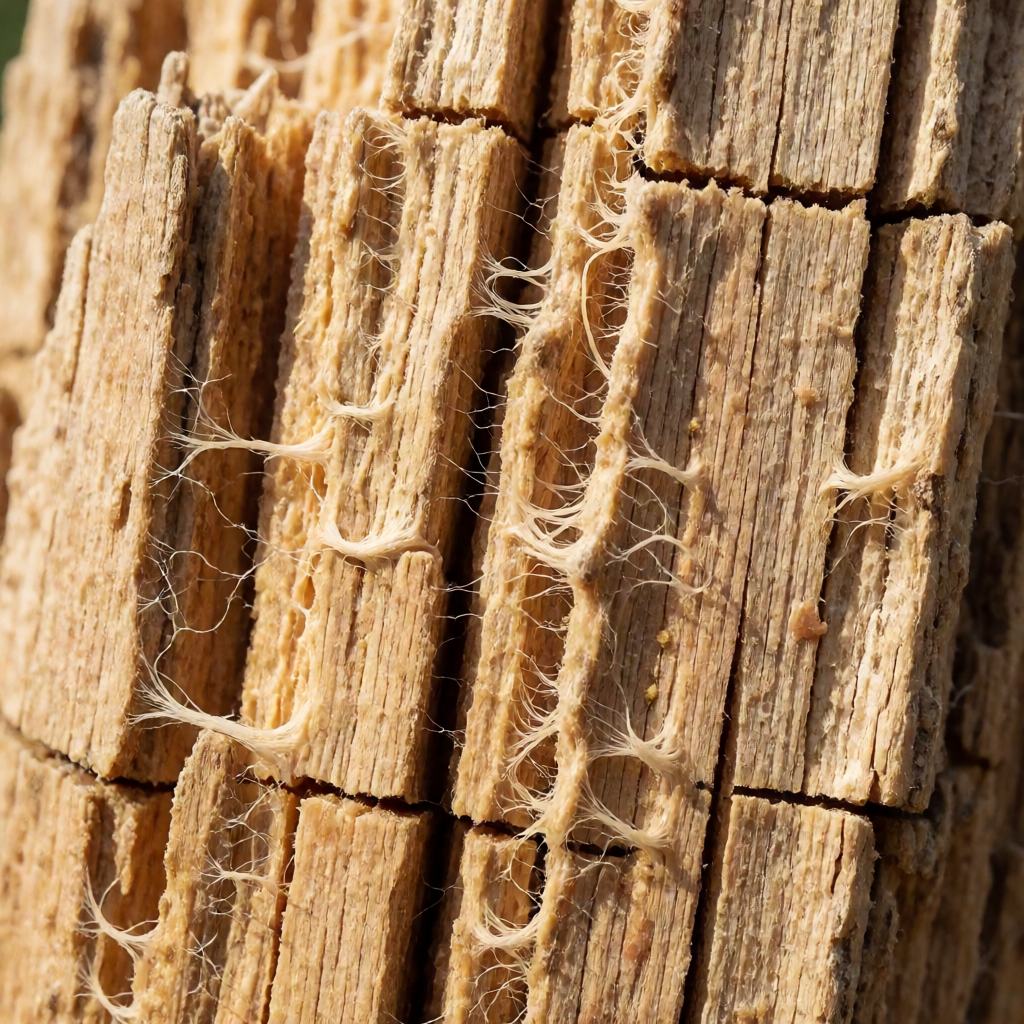
Deciduous forest is the main home. Oak woods suit it best, though beech and chestnut also work. Rotting logs on the ground matter most. Larvae live inside the damp wood.
Adults hide under bark and in litter. Old trees with sap wounds draw them. The range, however, covers the eastern United States. Texas and Florida mark the southern edge.
Delaware marks the north. Although the beetle can survive in a city park, it needs big, soft logs that are left alone for years, and tidy woodland has almost none.
Sap for adults, wood for larvae
What it eats
Adults drink tree sap. Wounds in oak and beech bleed it. Rotting fruit also draws them. Honeydew from aphids is sweet and easy, though sap is the staple.
A spongy tongue soaks up the liquid. Solid food is impossible. Larvae eat something very different, while the adults take only liquid. They chew through dead wood for a year or two.
Microbes in the gut do much of the work. Because the grub cannot digest timber on its own, it depends on bacteria and fungi living inside it.
Three years underground
The breeding cycle
A female lays eggs in a rotting log. She picks damp wood near the soil. Grubs hatch and tunnel deeper. Growth takes one or two years.
The larva moults several times. Pupation happens in a soil cell. Adults emerge the next summer. Males search for sap and for mates, while females stay near the logs.
Rival males fight with their jaws. Adults live only a few months, though the grub took two years.
No global rating
Conservation
The IUCN has not assessed this beetle. NatureServe calls it globally secure. No federal protection applies. Dead wood is disappearing.
Tidy forestry, though, removes old logs. Lawn care kills rotting stumps. Collectors take large males. That trade, however, is legal.
Leaving one fallen oak helps a lot. Because the grub needs wood that takes years to rot, a beetle population follows the age of a forest rather than its size.
Side by side
How It Compares
| Trait | Giant Stag Beetle | European Stag Beetle |
|---|---|---|
| Length | 45 mm to 60 mm | 35 mm to 75 mm |
| Range | eastern North America | Europe and the Near East |
| Larval wood | oak, beech and chestnut | oak and other broadleaf stumps |
| Adult diet | sap, fruit and honeydew | sap and fruit |
| Adult life | a few months | a few months |
| IUCN status | not assessed | Near Threatened |
Common misreadings
What People Get Wrong
- Its jaws are for eating. Adults drink sap instead.
- Big males are a different species. Size depends on food.
- A stag beetle bite breaks skin. It rarely does more than pinch.
Going further
Sources and Further Reading
- IUCN Red List entry for Lucanus elaphus
- Wikipedia, Lucanus elaphus
- NatureServe Explorer. Lucanus elaphus species account.
- Fabricius, J. C. 1775. Systema Entomologiae.
Quick hits
Five things to remember
- Males reach 60 mm with the jaws.
- The jaws curve like antlers.
- Adults cannot chew solid food.
- Grubs spend a year or two in dead wood.
- An old misspelling gave it the name elephant stag beetle.