 By st20113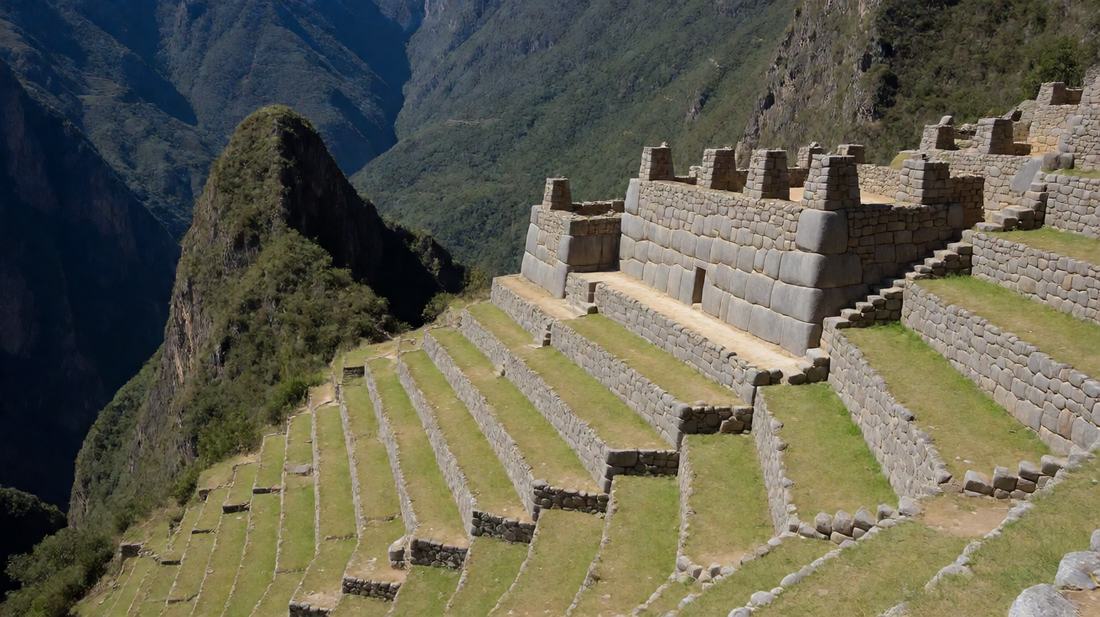
The Inca Empire | The Incas
Historical Profile · Andean highlands
The Inca Empire | The Incas
In under a hundred years the Inca ruled 4000 km of mountain, desert and jungle without writing, money or the wheel.
c. 1438-1533
Period
Length
Records
Work tax
Fall
The big picture
Introduction
In less than a hundred years the Inca built the largest empire in the Americas. It ran about 4000 km down the west side of South America. It reached from the warm valleys of what is now Colombia to the dry lands of Chile and Argentina. It took in deserts, high mountains and jungle.
It was held together by roads, stores and a system of work. It was run without writing, without money and without the wheel. When a small Spanish force came in 1532, the whole thing fell apart in a few years.
Setting
Historical Context
The heart of the empire was the high plateau of the Andes. The air is thin, the nights are cold and the slopes are steep. Farming there is hard. The soil is poor. Frost can come at any time. Rain is uneven.
The Inca met this with terraces. They cut the slopes into steps that held soil and water. They also built channels that carried melt water from the hills. The Andes had held complex societies for more than a thousand years before the Inca. Earlier peoples had built large temples and cities. They had learned to work gold, silver and copper.
They wove fine cloth. They farmed at great height by growing potatoes and other roots. The Inca took all of this over. They were the last and the largest of a long line of Andean states. They learned from every one of them.
Turning points
Key Events
The Inca state began as a small kingdom around Cusco, high in the mountains of Peru. In 1438 a ruler named Pachacuti fought off an attack from a nearby people. Then he turned his army outward. From that point the empire grew very fast. His son Topa Inca pushed south into Chile and north into what is now Ecuador. By 1500 the empire ran for thousands of kilometres. The Inca called their realm Tawantinsuyu. It means the four parts joined together.
Each part had a governor. Below him the local lords kept their place so long as they obeyed. New peoples were moved around. Whole groups were settled in far lands. This broke old ties and filled new farms. The end came fast. In 1527 the ruler Huayna Capac died. Two of his sons fought a war for the throne.
Atahualpa won, but his army was worn out. In 1532 a Spanish force of fewer than 200 men under Francisco Pizarro met him at Cajamarca. They seized him and held him for months. They took a huge ransom in gold and silver. Then they killed him. The empire had no answer to horses, steel, guns and the diseases the Europeans carried. Cusco fell in 1533.
1
2
3
Who held power
People and Powers
The Inca emperor was called the Sapa Inca. It means the one and only Inca. He was treated as a living son of the sun. No ordinary person was allowed to look at him. A new emperor did not take his father’s goods. He kept his own court and his own lands. The dead emperor’s body was kept and honoured by a home of its own. Below the emperor came a strict order of rank. At the top were the nobles of Cusco.
They held the best posts and the best land. Then came the local lords. They kept their titles but owed service to the state. At the base were the farmers and herders. They made up most of the people. There were no markets and no coins. The state took a share of every crop. Each home owed a set time of work each year. This work tax was called the mita.
It was the engine of the empire. It built the roads, the bridges, the terraces, the temples and the stores. It filled the army. In return the state fed and clothed the workers. It stored food for bad years. It was a hard bargain. But for a time it worked better than anything the Andes had seen before.
Everyday world
Daily Life and Society
Most Andean families lived in small stone or mud houses. Often there was one room with a hearth in the middle. People slept on the floor on mats. They kept their tools in the roof beams. The higher the village, the colder the night. So people wore thick cloth. They kept guinea pigs indoors for meat and warmth. The main food was the potato. The Andes gave it to the world. Farmers grew hundreds of kinds.
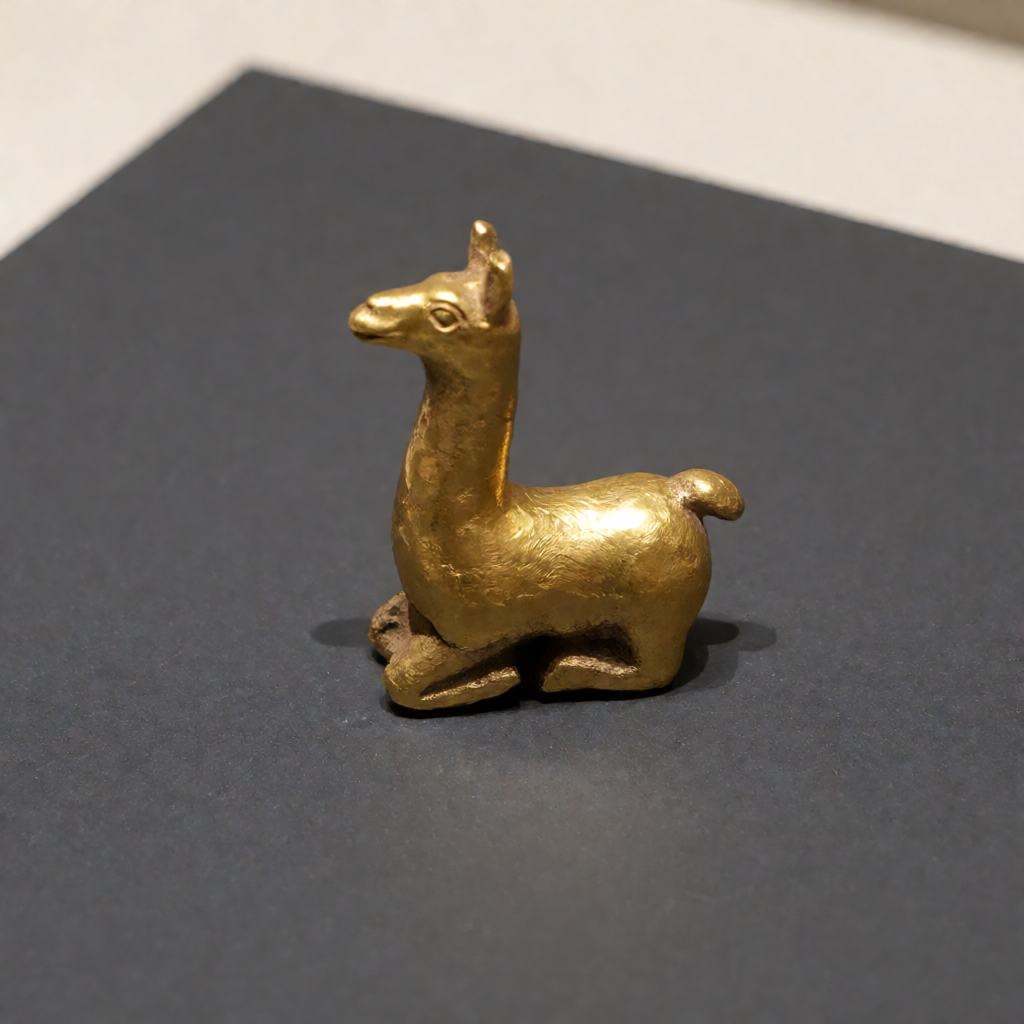
They learned to freeze-dry them. The crop was left out in the cold nights and the water was pressed out. Then it could be stored for years. Maize was the food of nobles and of temples. The plain diet was fuller and rougher. Cloth was the most valuable thing after food. The state measured wealth and rank partly in cloth. The finest cloth was made for the emperor and the temples. The men who made it were among the most respected workers. Llamas and alpacas gave wool, meat and hides.
They carried the loads, since the Andes had no other pack animal. High in the mountains lived the vicuna. It is a wild cousin of the llama, with the finest fleece of any animal in the world. It was protected by law. Catching one was a rare public event. Its wool was gathered and woven into cloth for the emperor. Then the animal was let go. The vicuna stood for the wild world that the state claimed to guard.
Craft and ideas
Trade, Technology and Ideas
The Inca had no writing. But they were far from silent. They kept records on a set of knotted cords called the quipu. A quipu was made of strings. Knots were tied in different places and in different ways. It could hold numbers, taxes and the contents of stores. Trained officials carried them and read them. Whether the knots could also hold stories is still argued. The quipu remain one of the great puzzles of world history. The roads were the other wonder.
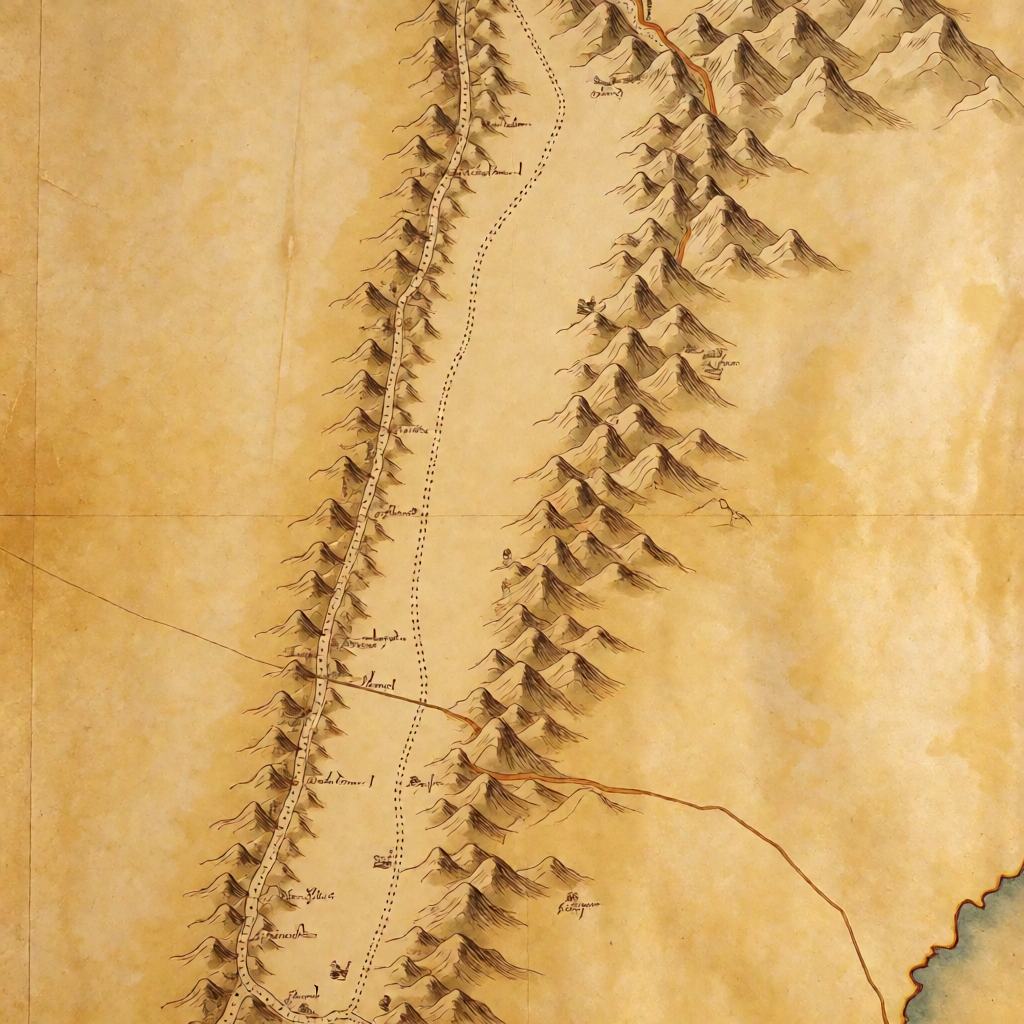
The main roads ran the full length of the empire. Side roads linked the coast and the mountains. Relay runners carried messages along them. A message could travel hundreds of kilometres in a few days. Rope bridges crossed deep gorges. Some were rebuilt every year by the villages nearby. The Inca were fine builders. They cut stone so well that a knife blade cannot be pushed between the blocks. They did it without iron tools. The walls lean slightly in, which helps them stand through earthquakes.
The great fort of Sacsayhuaman, above Cusco, is made of stones so large and so well fitted that it has lasted for centuries. Medicine was another strength. Inca healers used a wide range of plants. They did surgery on the skull. They knew the healing power of the bark of the cinchona tree, the source of quinine, long before Europeans did. The state also ran stores along the roads. They held food and cloth. So armies on the march, and people in a bad year, could be fed.
What lasted
Legacy
The Spanish destroyed the state but not the people. Millions of Andean people still speak Quechua, the language of the Inca. They still farm the terraces their ancestors built. The potato and the cinchona tree went out to the rest of the world and changed it.
They fed Europe and gave medicine to the tropics. The Spanish built their own cities on top of Inca ones. In Cusco the old walls still carry the new buildings. The quipu stayed unread for centuries.
Much of the empire’s own account of itself was lost with them. What remains is stone, cloth and road, and the records of the men who beat it. The Inca are remembered as the last great native empire of the Americas. They are also proof that a state can be built in the mountains out of nothing but work and order.
Quick hits
Five Things to Remember
- The Inca ruled the largest empire in the Americas, about 4000 km long, from Cusco in the mountains.
- They ran it without writing, money or the wheel, using roads, stores and a work tax called the mita.
- The potato and the cinchona tree, the source of quinine, came from their lands and changed the world.
- Records were kept on knotted cords called the quipu, which still cannot be fully read.
- The state ended in 1533 after Pizarro seized the emperor Atahualpa and killed him.