 By st20113
The Assyrian Empire | The Assyrians
Historical Profile · Northern Mesopotamia
The Assyrian Empire | The Assyrians
The first state to hold the Middle East together, run by a standing army, a set of provinces and a library of clay tablets.
c. 911-609 BC
Ran
Heartland
Reformed by
Egypt taken
Nineveh fell
The big picture
Introduction
The Assyrian Empire was the first state to hold the Middle East as one. Its heartland lay in the north of Mesopotamia. It stood by the river Tigris, in what is now north Iraq.
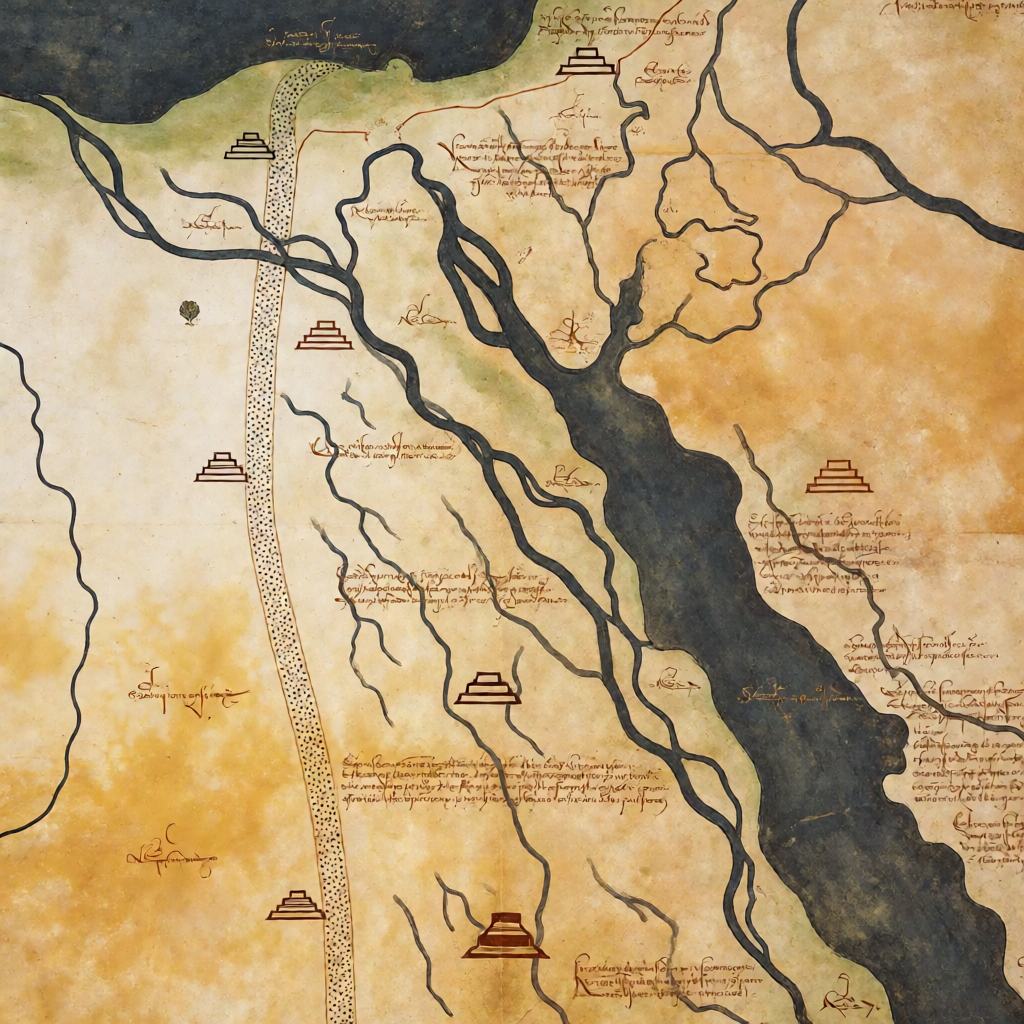
It grew from a small kingdom into a war machine. That took it from 911 BC to 609 BC. At its height it ran from the Persian Gulf to the Nile.
No other power of its age was so feared. Men recalled it for centuries after it fell.
Setting
Historical Context
Assyria had been a trading state long before it was a great power. Its traders ran outposts in the west. Its cities held the temples of a national god. Then, near 1200 BC, a collapse shook the whole east Mediterranean. It broke several kingdoms at once.
Assyria came through it, weak but alive. The states around it did not recover as well. The land itself was the base of its strength. The north plain had good rain and rich soil. It produced grain and cloth.
It also had stone and metal, which the flat south lacked. The Tigris gave it a route to the south. The hills to the north and east gave it wood and metal.
Turning points
Key Events
The rise began under Ashurnasirpal II. He ruled from 883 BC to 859 BC. He moved his court to a new city. He led a campaign each year to the north and east. His son Shalmaneser III pushed on. In 745 BC Tiglath-Pileser III took the throne and remade the state. He broke the power of the great lords. He split the empire into districts with rulers he could move.
He made a standing army that was paid and trained all year. That army was the tool of all that came after. Later kings used it without pause. In 721 BC Sargon II took the throne after a revolt. He went on to beat the kingdom of Israel. His son Sennacherib moved the court to Nineveh. He made it one of the great cities of the world. In 671 BC Esarhaddon took Ancient Egypt.
The empire reached its full size. The fall was quick. In 612 BC a force of Babylonians and Medes took Nineveh and burned it. The last Assyrian troops held out until 609 BC. Then the empire was gone. So complete was the ruin that the great cities lay under the earth for centuries.
1
2
3
Who held power
People and Powers
The king was a total ruler. He was also the high priest of the state god. He had to campaign each year. A king who lost battles did not last long. The army was the heart of the state.
It had a core of trained troops. It had a large body of levies. Its engineers could build a ramp or a bridge. The empire was run by officials. Lords held the districts.
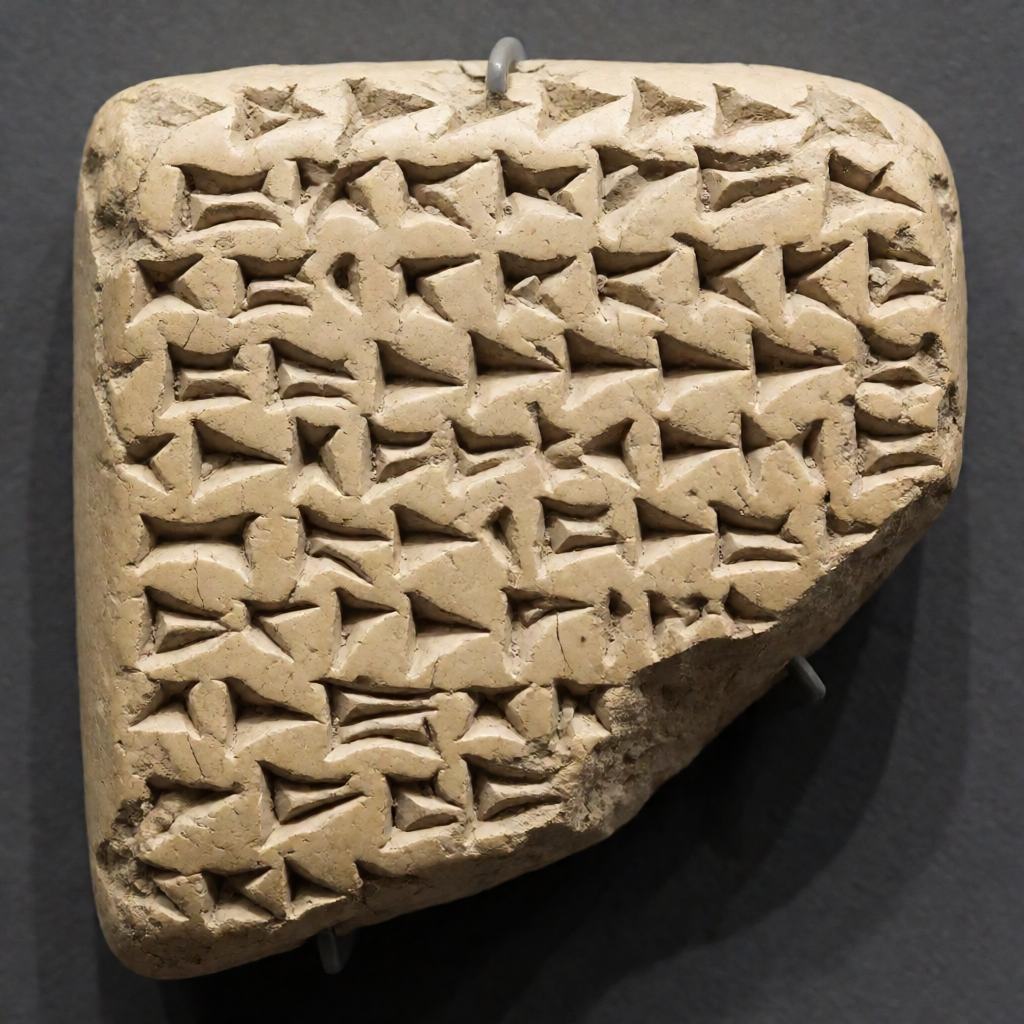
Inspectors reported on them. Records were kept on clay tablets. The script had been in use for 2000 years. The king also moved whole peoples from place to place. That plan helped the empire hold so much land.
Everyday world
Daily Life and Society
Most people worked the land. They grew grain. They paid their tax in goods. They owed work to the state for building and for the army. The villages were small.
Life turned on the flood of the rivers and on the harvest. The cities were the seats of rule, and they were built to impress. The great palaces were faced with cut stone and glazed brick. The walls of the royal halls were lined with carvings of the king at war and at the hunt. Huge stone guardians stood at the doors.
The city walls were thick enough to hold a siege for years. Trade and craft were planned. The state took a share of all. The palace workshops made cloth, metalwork and fine goods for the court and for sale. Traders moved copper, tin, cloth and wine across the empire and past it.
Craft and ideas
Trade, Technology and Ideas
Two lasting things came out of Assyria. The first is the army. Its sieges, its ramps and its system of districts were studied and copied by the powers that came next. The second is the record. The last great king, Ashurbanipal, built a library at Nineveh.
It held about 30000 clay tablets. It covered law, medicine, history and maths. It also held the oldest tales of the region. When the city burned, the fire baked the tablets. Most of what we know of that writing comes from it.
The tablets were dug up in the 1800s. The empire also moved ideas. Its plan of resettling peoples carried tongues and crafts. The Aramaic script spread with them. That script is a forebear of the alphabets used across the region.
What lasted
Legacy
Assyria left a name. The writers of the Hebrew scriptures cast it as the great enemy. That picture has shaped how the west sees it ever since.
Its true legacy was the idea of empire. The Assyrians showed that one state could govern many peoples. They used a trained army, a system of districts and a body of written records.
Babylon, Persia, Greece and Rome all ruled the old lands. All of them used tools that the Assyrians had first made sharp.
Quick hits
Five Things to Remember
- The Assyrian Empire ran from 911 BC to 609 BC.
- Its heartland lay in the north, by the river Tigris.
- Its kings made a standing army and a system of districts.
- It took Egypt in 671 BC.
- Nineveh fell in 612 BC, and the empire ended by 609 BC.