 By st20113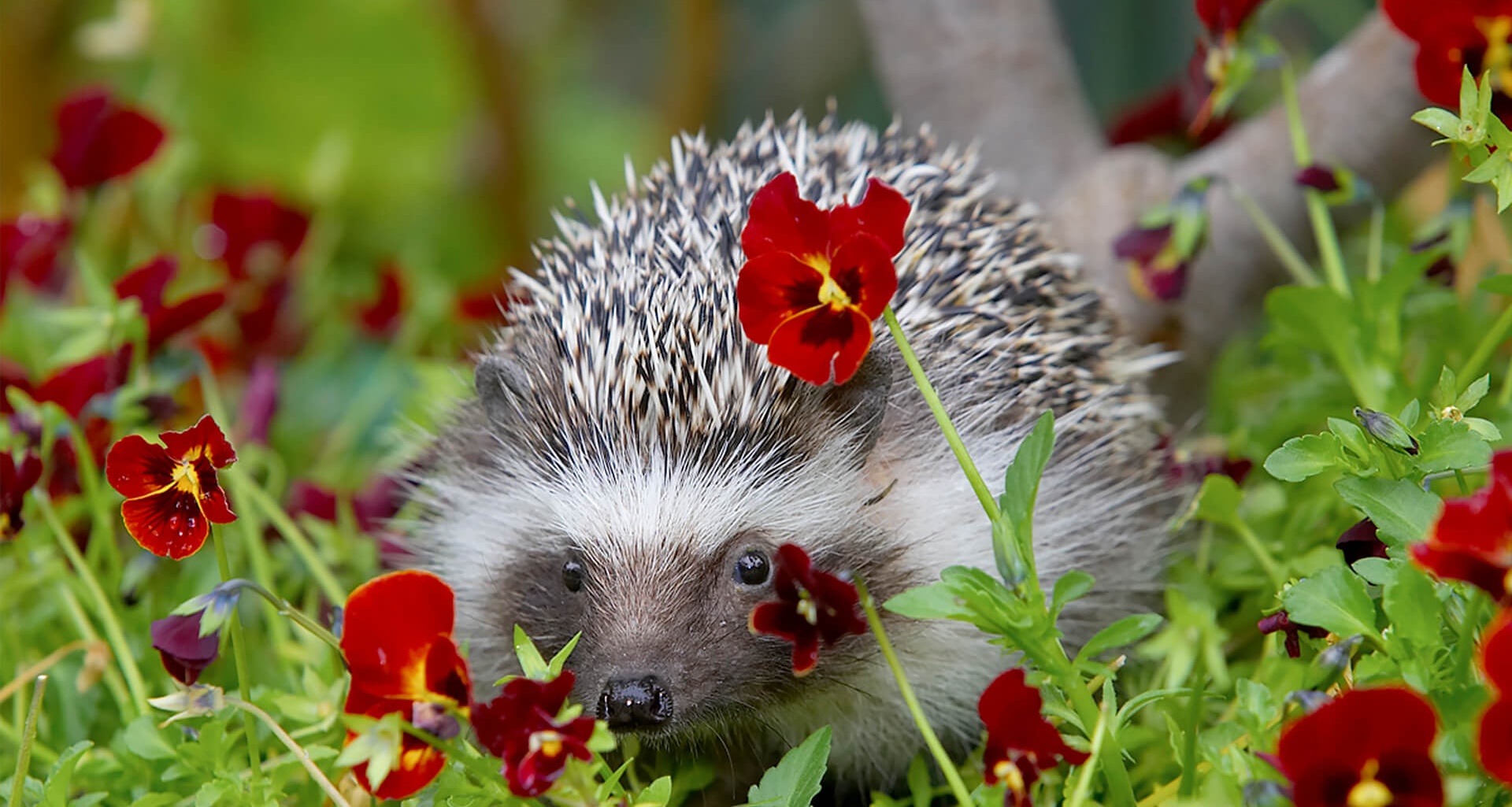
The hedgehog is a small nocturnal mammal belonging to the family Erinaceidae, recognizable by the thousands of stiff spines covering its back and sides. These spines are modified hairs made of keratin, each about 2 to 3 centimeters long. When threatened, the hedgehog curls into a tight ball, exposing only its spiny exterior to predators. The European hedgehog (Erinaceus europaeus) is the most common species, found across Western and Central Europe.
Adult hedgehogs typically weigh 500 to 1,200 grams and have a body length of 15 to 30 centimeters. Their underside and face are covered in coarse brownish-gray fur. Hedgehogs have a pointed snout, small ears, and a short tail.
Hedgehogs are insectivores by nature, feeding primarily on beetles, caterpillars, earthworms, slugs, and other invertebrates. A single hedgehog can eat 70 to 100 grams of food per night during the active season. During winter, hedgehogs enter torpor and hibernate, surviving on fat reserves built up during the warmer months. Hibernation can last from October through March in colder climates.
These solitary animals only come together for mating. After a gestation period of about 35 days, females give birth to 4 to 6 hoglets in a nest of leaves, grass, and other vegetation. Young hedgehogs are born blind and helpless, with their spines initially soft and concealed beneath a membrane.
Hedgehogs play a beneficial role in gardens and agricultural settings by consuming large quantities of insect pests. However, populations in parts of Europe have declined significantly due to habitat loss, intensive farming practices, road mortality, and the reduction of hedgerow habitats. The European hedgehog is listed as a Species of Concern in some regions.
[…] bottom of ponds. Across Europe they share the landscape with a variety of wildlife, including the Hedgehog, a fellow ground-dweller that, unlike most animals, can tolerate the toad’s defensive […]