 By st20113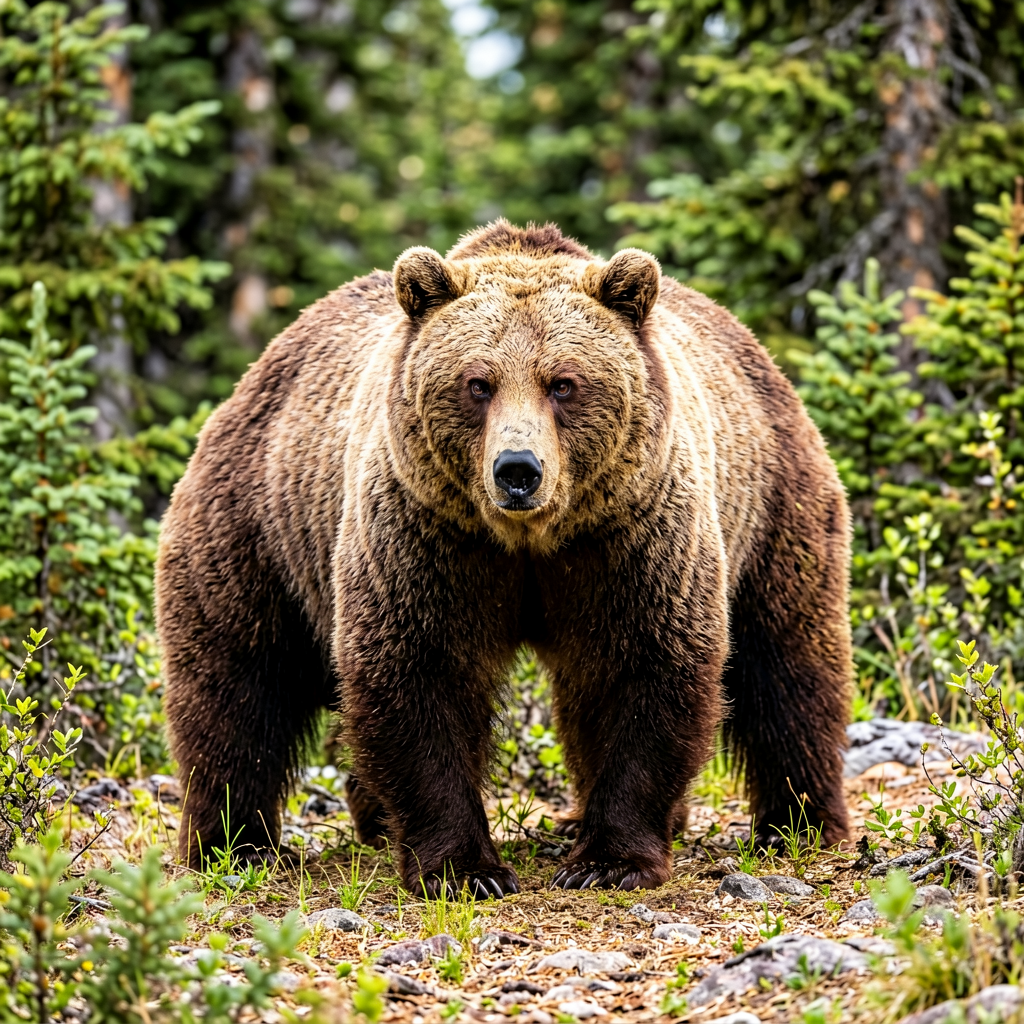
Ursus arctos horribilis | Grizzly Bear
Introduction
The grizzly bear (Ursus arctos horribilis) is one of the most iconic and powerful mammals of North America. Known for its distinctive shoulder hump and aggressive reputation, this subspecies of brown bear inhabits wilderness regions across Alaska, Canada, and parts of the western United States. Grizzly bears have captivated human imagination for centuries and remain a symbol of the untamed wild. These magnificent creatures play a crucial ecological role as keystone species, influencing vegetation patterns and nutrient cycling across their range.
Taxonomy
The grizzly bear was first described by Peter Simon Pallas in 1780. It belongs to the family Ursidae and is classified as a subspecies of the brown bear (Ursus arctos). The specific epithet “horribilis” translates to “horrible” or “dreadful,” reflecting the animal’s formidable nature. Genetic studies have confirmed that grizzly bears are closely related to the Kodiak bear, another subspecies found on the isolated islands of Alaska. Molecular research has also revealed interbreeding events between grizzlies and polar bears in recent millennia.
Physical Description
Grizzly bears are among the largest land carnivores on Earth. Males typically weigh between 300 and 600 pounds, though exceptional individuals can exceed 800 pounds. Females are considerably smaller, averaging 200 to 400 pounds. Their most recognizable feature is the prominent shoulder hump, composed of发达 muscle tissue that provides tremendous power for digging and swimming. The coat varies in color from blonde to dark brown, often appearing grizzled or silver-tipped, which gives the subspecies its common name. Their claws can reach up to four inches in length and are non-retractable, adapted for excavation.
Habitat
Grizzly bears occupy a diverse range of habitats, including subalpine meadows, coniferous forests, riparian zones, and tundra. They require vast territories to meet their nutritional needs, with home ranges spanning anywhere from 50 to over 1,000 square miles depending on food availability. During spring and summer, bears often move to lower elevations to forage on emerging vegetation and salmon runs. In autumn, they descend to berry patches and nut-rich areas in preparation for hibernation. Habitat fragmentation and human development continue to threaten these expansive requirements.
Diet
Despite their classification as carnivores, grizzly bears are omnivorous, with plant material comprising the majority of their diet. They consume grasses, roots, bulbs, berries, nuts, and insects, particularly ants and beetles. During salmon runs, fish can become a dominant food source, providing essential proteins and fats. Grizzlies are also known to prey on ungulates such as elk and moose calves, and they occasionally scavenge carrion. Their digestive system is relatively simple, and they can consume up to 90 pounds of food daily during hyperphagia before hibernation.
Reproduction
Grizzly bears reach sexual maturity between three and five years of age. Mating occurs during late spring and early summer, though the fertilized eggs undergo delayed implantation, attaching to the uterine wall only in late autumn. Females typically give birth to one to four cubs in January or February while hibernating in their den. Cubs remain with their mother for approximately two and a half years, learning essential survival skills. Female grizzlies reproduce every three to four years, making their population growth rate inherently slow and vulnerable to external pressures.
Conservation
The conservation status of grizzly bears varies by region. In the contiguous United States, the endangered species list protects certain populations under the Endangered Species Act. Alaska and Canadian populations are generally more secure, though they face threats from climate change, resource extraction, and recreational development. Conservation efforts focus on maintaining wildlife corridors, managing human-bear conflicts, and monitoring population health. International cooperation between the United States and Canada has proven essential for the long-term survival of migratory populations.
Fun Facts
Grizzly bears can run at speeds up to 35 miles per hour, far outpacing human athletes. Their sense of smell is exceptional, estimated to be seven times more acute than a bloodhound’s, allowing them to detect food from miles away. During hibernation, bears do not eat, drink, urinate, or defecate for up to seven months, yet they do not lose significant muscle mass. A grizzly’s bite force measures approximately 1,200 pounds per square inch, powerful enough to crush a bowling ball. These remarkable animals can live 20 to 25 years in the wild and up to 30 years in captivity.