 By st20113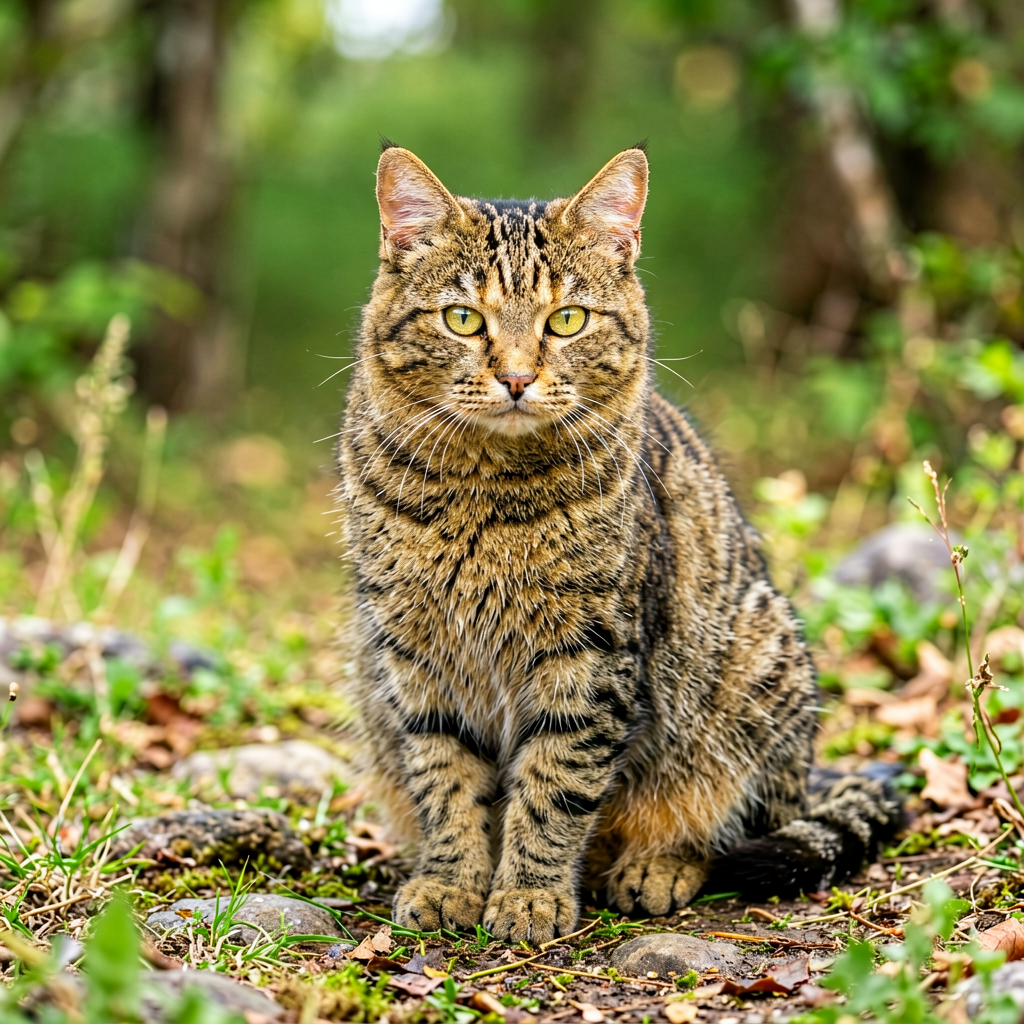
Felis silvestris catus | Domestic Cat
Introduction
The domestic cat, scientifically known as Felis silvestris catus, is a small carnivorous mammal that has been closely associated with humans for thousands of years. Originally domesticated from the Near Eastern wildcat, this animal has become one of the most popular companion animals worldwide. With an estimated population exceeding 600 million individuals globally, cats have adapted remarkably well to living alongside human civilizations. Their independent nature, combined with their affectionate behavior, has made them beloved pets across diverse cultures. The relationship between cats and humans is one of the oldest examples of mutualistic domestication, with archaeological evidence suggesting initial bonding occurred approximately 10,000 years ago in the Fertile Crescent region.
Taxonomy
The domestic cat belongs to the family Felidae within the order Carnivora. It is classified as a subspecies of the wildcat, Felis silvestris, making its full scientific name Felis silvestris catus. Some taxonomists argue it should be classified as a separate species, Felis catus, but the subspecies designation remains widely accepted. The domestic cat shares a common ancestor with other small felids, including the European wildcat and the African wildcat. Genetic studies have confirmed that all domestic cats descend primarily from the African wildcat subspecies, Felis silvestris lybica, which was first domesticated in the Near East during the Neolithic period.
Physical Description
Domestic cats are medium-sized felines with a streamlined body built for agility and stealth. Adults typically weigh between three and five kilograms, though some breeds can exceed eight kilograms. Their bodies measure approximately 46 centimeters in length, excluding a tail that can reach 30 centimeters. Cats possess retractable claws, keen night vision, and highly sensitive whiskers that aid in navigation. Their coat comes in an extraordinary range of colors and patterns, including solid, tabby, calico, and bicolor variations. This remarkable diversity results from selective breeding by humans over centuries.
Habitat
Domestic cats have adapted to virtually every terrestrial habitat on Earth, from arid deserts to temperate forests and urban environments. They thrive in close proximity to human settlements, where they find shelter and food sources. Feral cat populations are particularly abundant in cities and towns, where they occupy niches similar to their wild ancestors. Despite their global distribution, domestic cats are most commonly found in residential areas, farms, and commercial buildings. Their adaptability has allowed them to colonize islands and diverse ecosystems worldwide, often with significant ecological consequences for native wildlife.
Diet
As obligate carnivores, domestic cats require a diet consisting primarily of animal protein. In the wild, they hunt small mammals such as rodents, birds, and reptiles. Their hunting technique involves stalking prey silently before launching a rapid attack. Domestic cats fed by humans typically consume commercial cat food formulated to meet their specific nutritional requirements, including taurine, arachidonic acid, and vitamin A. These nutrients are essential because cats cannot synthesize them in sufficient quantities from plant sources. Even well-fed domestic cats retain strong hunting instincts and will chase and kill small animals out of behavioral drive.
Reproduction
Domestic cats are polyestrous, meaning females can mate multiple times during a breeding season. Kittens reach sexual maturity between five and ten months of age. A typical litter contains three to five kittens, though litters of up to twelve have been recorded. The gestation period lasts approximately 63 to 65 days. Newborn kittens are blind and helpless, opening their eyes after about one week. Mothers are devoted caregivers, nursing and protecting their young until they are old enough to hunt independently. A single female cat and her offspring can theoretically produce thousands of descendants in just a few years, highlighting the importance of responsible pet ownership and spaying and neutering programs.
Conservation
The domestic cat is not considered threatened and is listed as Least Concern by the International Union for Conservation of Nature. However, free-roaming and feral cat populations pose significant ecological threats to native wildlife, particularly on islands. These cats prey on birds, reptiles, and small mammals, sometimes driving vulnerable species toward extinction. Conservation efforts focus on managing feral cat populations through trap-neuter-return programs and promoting responsible ownership. In some regions, governments have implemented strict regulations to protect biodiversity from the impacts of uncontrolled cat populations.
Fun Facts
Cats can rotate their ears 180 degrees and possess over 32 muscles controlling each ear. They spend approximately 70 percent of their lives sleeping, which amounts to around 13 to 16 hours per day. A group of kittens is called a kindle, while a group of adult cats is referred to as a clowder. Cats have an extraordinary sense of smell, with nearly 200 million scent receptors in their noses, compared to only five million in humans. Additionally, a cat’s purr vibrates at a frequency between 25 and 150 hertz, a range that has been shown to promote bone healing and reduce stress in humans.