 By Iris
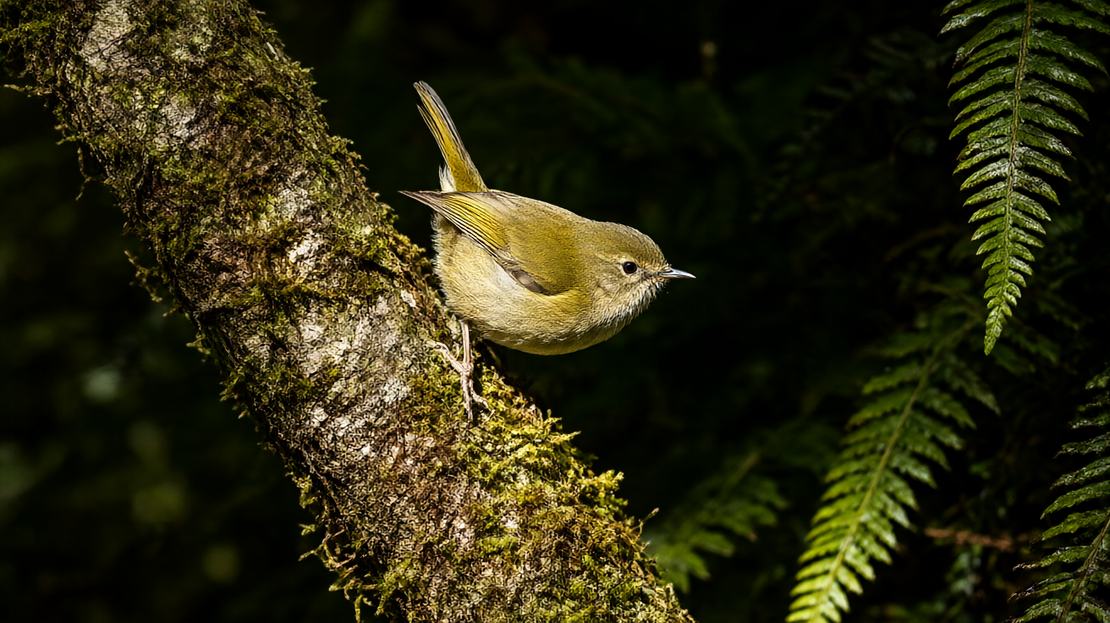
Acanthisitta chloris | Rifleman
Species Profile · Acanthisittidae
Rifleman
A bird smaller than a sparrow climbs a tree trunk.
Least Concern
Weight
Length
Clutch
Incubation
Family
Rating
The Rifleman
The smallest bird in the country
A bird smaller than a sparrow climbs a tree trunk. Nothing about it looks remarkable, and that hides a strange history. Its call runs high and thin, and it carries a long way through forest.
The bird flicks one wing while it hunts, and the habit gives it away. No other New Zealand bird stays this small. A rifleman weighs less than a teaspoon of sugar, yet it survives hard frost, deep snow and a forest full of introduced predators.
Family tree
Acanthisittidae, the oldest songbird line
Acanthisitta chloris belongs to the New Zealand wren family, Acanthisittidae. That family split from every other songbird long ago, and only two species remain. Its relatives once numbered more, though the others died out after people arrived.
The rock wren is the only close cousin left, and it lives above the treeline. Chloris means green, since the back carries an olive tint. Workers place the family at the base of the songbird tree, which makes it a living fossil, because it branched off before the others diversified.
One cousin, the Eurasian Wren, fills the same niche in Europe. A relative, the Great Spotted Kiwi, digs for insects on the forest floor.
Tiny, green, stiff tail
How to tell one
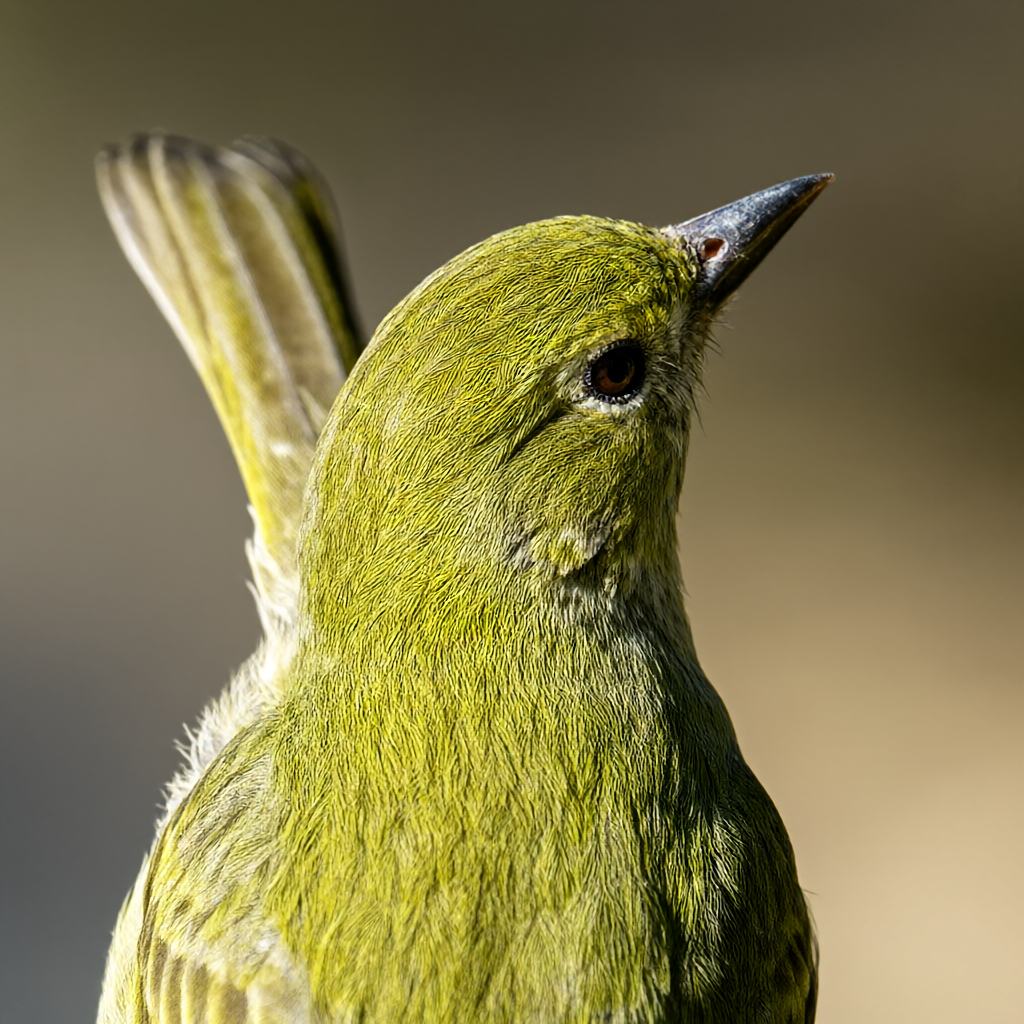
Adults weigh 6 to 7 g. Length runs about 8 cm, and half of that is tail. Males show brighter green above and cleaner white below. Females carry buff flanks, and their backs look duller.
A short bill turns up at the tip, and it pries insects from bark. Its tail stays stiff, which helps the bird brace against a trunk. The legs run long for the body size, and the toes grip rough bark well.
1
2
3
Old native forest
Where it lives
Native forest covers the range, and the bird stays under the canopy. Old trees matter most, because the bird nests in cavities and loose bark. Its range once covered both islands, though it has gone from much of the mainland.
Predator free islands hold the densest numbers. Highland forest suits it, since snow lies there but the canopy stays intact. Windthrow creates the dead wood the species needs, and the bird returns fast once the trunks start to rot.
Insects from bark
What it eats
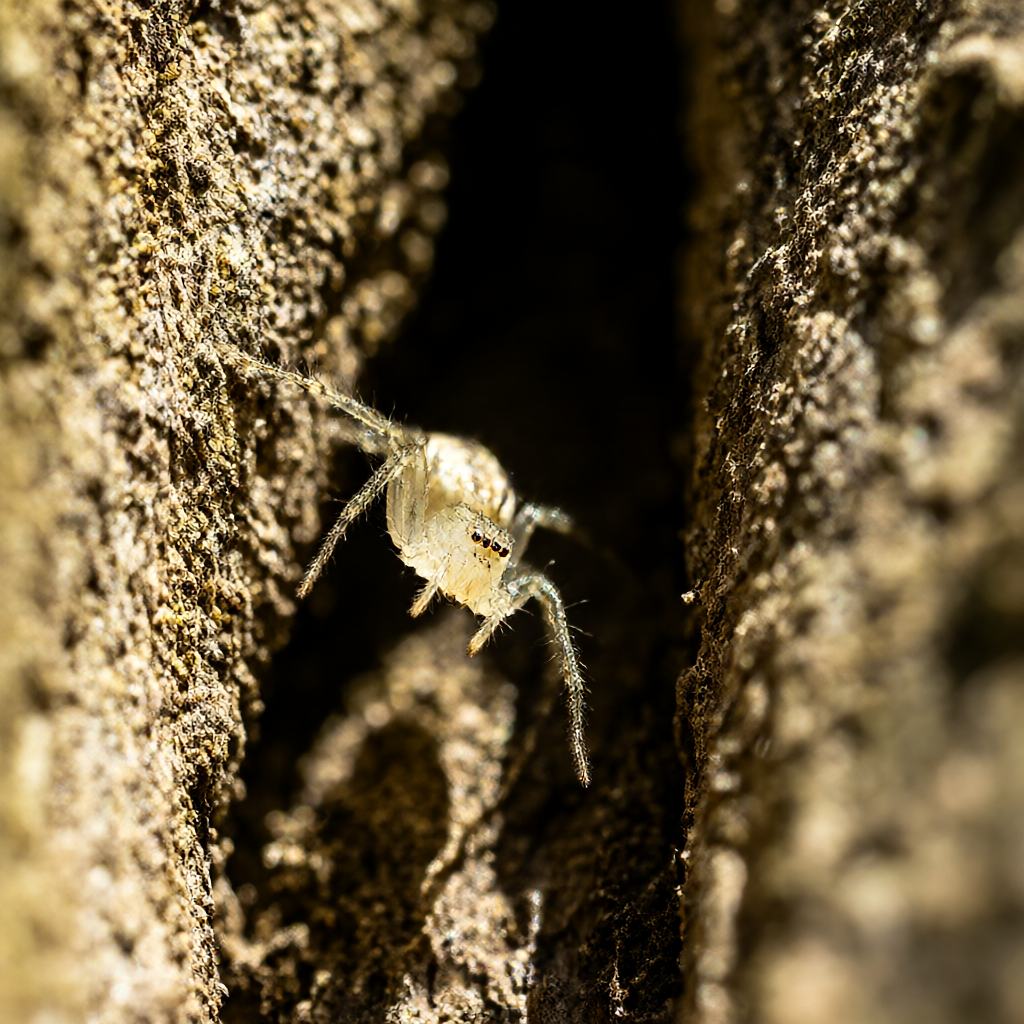
Insects make up the whole diet. Spiders and moth larvae follow. The bird works a trunk from the base upward, and it probes every crack.
Because the bird moves fast, it covers a large tree in minutes. Wing flicking disturbs hidden prey, and the movement drives insects into the open where the bill can reach them. Nothing gets eaten on the ground, since the bird feeds above head height.
Two to five eggs
The breeding cycle
A pair builds a nest in a cavity, and the entrance stays narrow. Two to five eggs arrive in spring, and both birds incubate. Chicks stay in the nest for three weeks, though they leave unable to fly.
Because the young stay near the nest, the parents feed them for weeks. Pairs hold a territory all year, and they defend it with a thin song. A second clutch follows in good years, since the season runs long.
Rats and stoats
Conservation
The Red List calls the species Least Concern. Its mainland numbers keep falling, though island populations stay secure. Rats and stoats take eggs and chicks, because the nest offers no defence.
Clutch size runs small, and that limits any recovery. Because the bird needs old forest, logging removes breeding sites for decades. Predator control helps, yet the gains stay local and expensive.
Side by side
How It Compares
| Trait | Rifleman | Eurasian Wren |
|---|---|---|
| Family | Acanthisittidae | Troglodytidae |
| Length | about 8 cm | 9-10 cm |
| Weight | 6-7 g | 8-13 g |
| Bill | short and upturned | slender and curved |
| Range | New Zealand | Europe and Asia |
| Rating | Least Concern | Least Concern |
Common misreadings
What People Get Wrong
- Not a wren. The name came from the size and the habit. New Zealand wrens split from every other songbird more than 60 million years ago, and no true wren lives anywhere near them.
- Not a strong flier. The bird hops and climbs instead. Because the tail stays stiff, it braces against bark while it works a trunk from the base upward.
- Not a bird of the open. Old forest gives it everything. Cavities and loose bark supply nest sites, so a cleared stand loses the species even when nearby bush looks healthy.
Going further
Sources and Further Reading
Quick hits
Five things to remember
- It is the smallest bird in New Zealand, and one of the smallest songbirds anywhere.
- The family split from other songbirds more than 60 million years ago.
- A male weighs less than a ten cent coin, yet he holds a territory all winter.
- The bird rarely flies far, since it prefers to climb and hop.
- Its nest sits in a hole, and the entrance measures only a few centimetres.
[…] giant panda sits in the same family but a different genus. Its diet is almost all bamboo. Both bears share a […]