 By st20113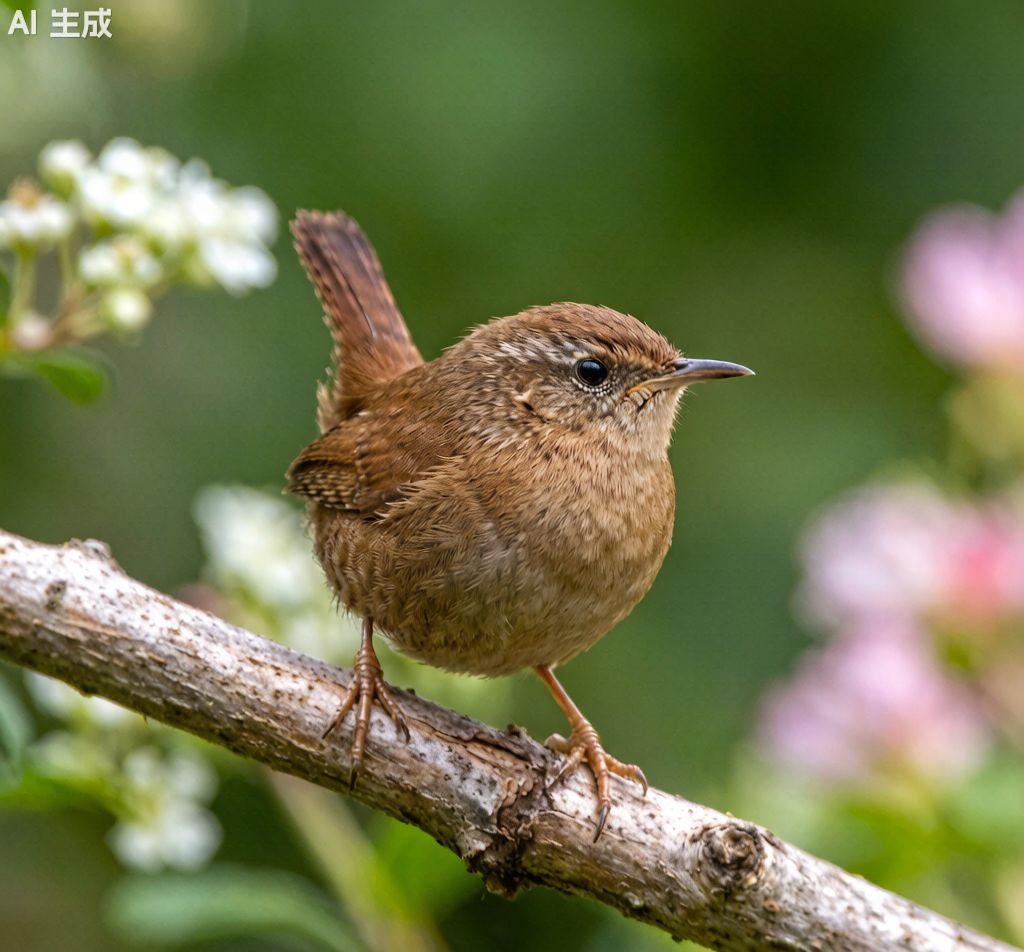
Introduction
The Eurasian Wren (Troglodytes troglodytes) is a tiny, round-bodied songbird found across Europe and much of the Northern Hemisphere. Despite being one of the smallest birds on the continent, the wren possesses an extraordinarily loud and complex song that belies its size. This energetic species is a familiar inhabitant of gardens, woodlands, and hedgerows, where it flits among dense vegetation in search of insects. The wren’s ubiquity and cheerful song have made it a beloved feature of European folklore.
The wren’s adaptability has allowed it to colonize habitats from sea level to mountain peaks, making it one of the most widespread birds in the Northern Hemisphere. Its presence in gardens brings countless people into daily contact with wildlife. The species’ resilience contrasts with its delicate appearance.
Taxonomy
Troglodytes troglodytes belongs to the family Troglodytidae, the wrens, which are predominantly New World in distribution. The Eurasian wren is the only member of this family found in the Old World. Numerous subspecies are recognized across its vast range, differing slightly in size and coloration. The species name troglodytes refers to its tendency to inhabit cavities and crevices.
Physical Characteristics
The Eurasian wren is a compact bird measuring just 9 to 10 centimeters in length and weighing 6 to 12 grams. It has rich brown plumage above and paler, barred underparts. The short tail is frequently cocked upright, a distinctive behavioral trait. The species has a fine, slightly downcurved bill adapted for gleaning insects. The common blackbird shares garden habitats but is much larger.
Habitat
Wrens occupy a remarkable variety of habitats including deciduous and coniferous woodlands, hedgerows, gardens, parks, coastal scrub, and mountainous regions up to the tree line. The species requires dense, low vegetation for foraging and nesting. In winter, wrens may roost communally in nest boxes or dense foliage to conserve heat. The European robin often shares similar garden habitats.
Diet
The wren feeds almost exclusively on small invertebrates including spiders, beetles, aphids, and caterpillars. Foraging occurs by actively probing crevices, bark, and leaf litter with its slender bill. The species is constantly on the move, often disappearing into dense cover before reappearing nearby. During winter, wrens may supplement their diet with seeds when insects are scarce.
Reproduction
Male wrens build several rudimentary nests, with the female selecting one and adding the lining. Clutches of four to six eggs are incubated by the female for about two weeks. Both parents feed the altricial nestlings, which fledge after 14 to 18 days. The species may raise two or three broods per season. The common blackbird sometimes competes for nesting sites.
Wrens benefit from traditional orchard management and hedgerow retention, which provide the dense structure they need for nesting and foraging. In intensively farmed landscapes, small garden plantings can support surprising numbers of breeding pairs. The species’ tolerance of human presence makes it an ideal focal point for community conservation.
Conservation
The Eurasian wren is widespread and abundant, with a global population estimated in the hundreds of millions. The species is not considered threatened, though severe winters can cause local population crashes. Conservation of hedgerows, gardens, and scrubland benefits wrens and many other small birds. The species is protected under European legislation and is a common subject of citizen science monitoring.
Fun Facts
The wren’s song is disproportionately loud, with a volume that can exceed 100 decibels relative to its tiny body size. In some cultures, the wren was historically known as the “king of birds” due to its cleverness in folklore. During cold nights, dozens of wrens may huddle together in a single roost to survive. The species’ cocked tail and energetic behavior make it instantly recognizable. The wren appears in more European folk songs than almost any other bird.
Wrens are known to use old nests of other birds or even man-made structures for roosting and breeding, showing remarkable flexibility. Their year-round presence and loud song make them a favorite among beginning birdwatchers. The species’ population fluctuations following harsh winters provide valuable data for climate and ecosystem monitoring.
[…] centuries, featuring in folklore, art, and scientific illustration across Europe.the firecrest, the Eurasian wren, and the common chaffinch frequently coexist with the goldcrest across shared landscapes, creating […]
[…] coniferous groves the Goldcrest often forages near the Eurasian Wren in low cover, and it may mix with the Great Tit and the Eurasian Jay in winter flocks moving […]