 By st20113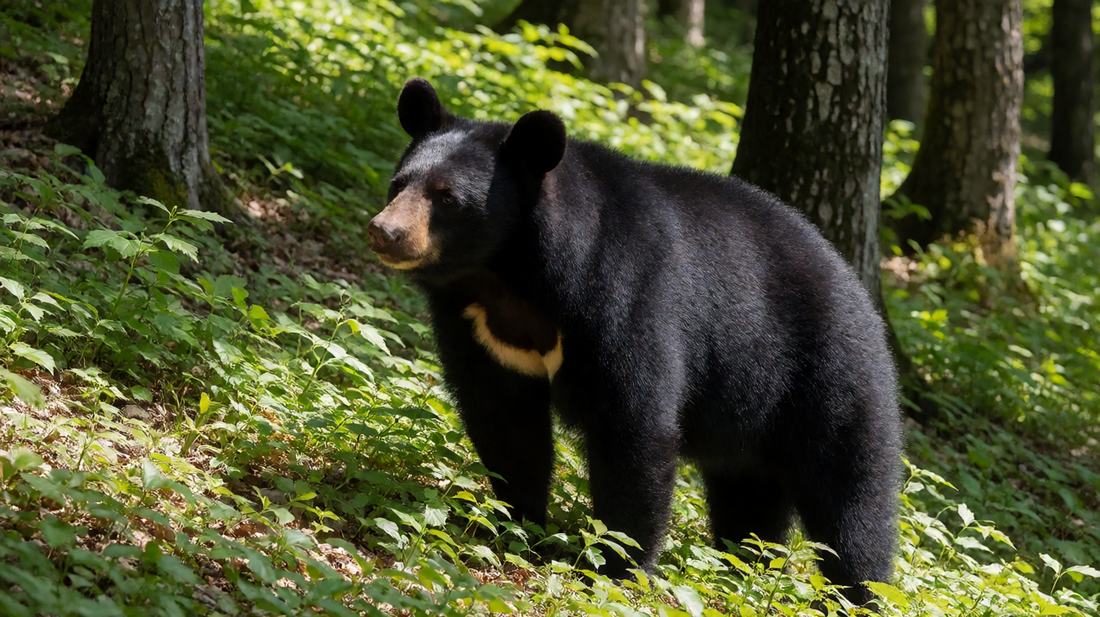
Ursus thibetanus | Asian Black Bear
Species Profile · Ursidae
Asian Black Bear
A black bear of the Asian hill forest with a pale crescent on its chest, climbing for most of its food and poached for its gall bladder.
Vulnerable
Body length
Male weight
Cubs
Cubs stay
Lifespan
Rating
The Asian Black Bear
The moon bear of the Asian hills
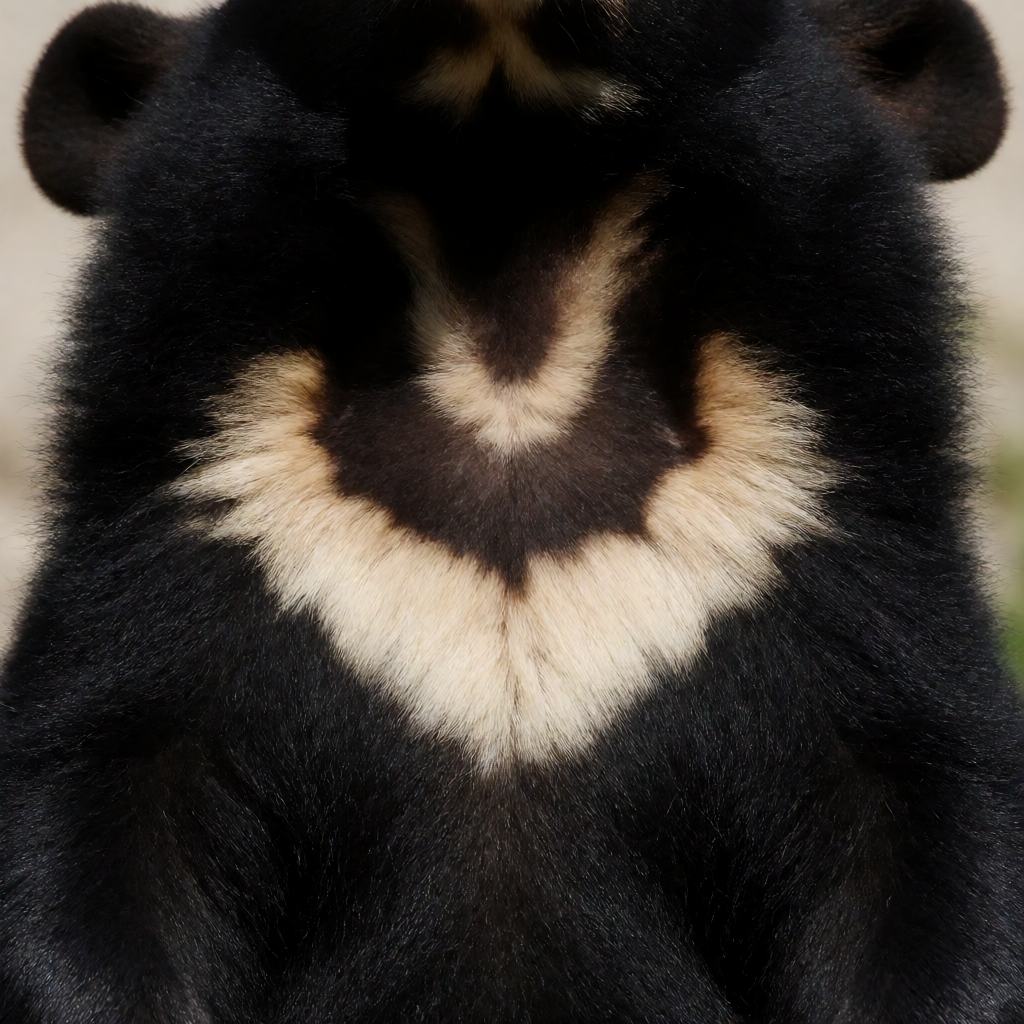
A black bear climbs a tree in the hill forest of eastern Asia. Its chest carries a pale crescent. That mark gives the animal its other name.
Long fur hangs round the neck. Strong claws hook into bark. Fruit, nuts and insects fill the diet.
Winter is spent in a den, of course. Females give birth while they sleep. Because people hunt this bear for its gall bladder, it now faces more pressure from trade than from habitat loss alone.
Family tree
Ursidae, the bears
The species belongs to the family Ursidae. Georges Cuvier described it in 1823. Seven subspecies are now recognised. Each one holds a different patch of Asia, in turn.
The giant panda sits in the same family but a different genus. Its diet is almost all bamboo. Both bears share a short, simple gut, yet only one of them gave up meat entirely to live on grass.
Black fur, pale crescent
How to tell one
Body length runs 110 to 190 cm. Males weigh 60 to 200 kg. Females are much smaller.
Fur is black and fairly long. A cream patch marks the chest. Ears are large and rounded.
Claws are short and strongly curved. In addition, the tail is almost hidden. Nothing about the build is huge, and the whole animal is made for climbing rather than for long chases on open ground.
1
2
3
Broadleaf hill and mountain forest
Where it lives
Broadleaf and mixed forest is the core home. Hills and mountains suit it well. Its range runs from Iran to Japan.
Korea, China and the Russian Far East all hold bears. Summer is spent high on the slopes. Even so, winter dens sit lower down.
Beech and oak mast draws bears in autumn. Because the bear needs heavy tree cover and quiet slopes, roads and new settlements push it out faster than logging alone ever did.
Fruit, nuts and insects
What it eats
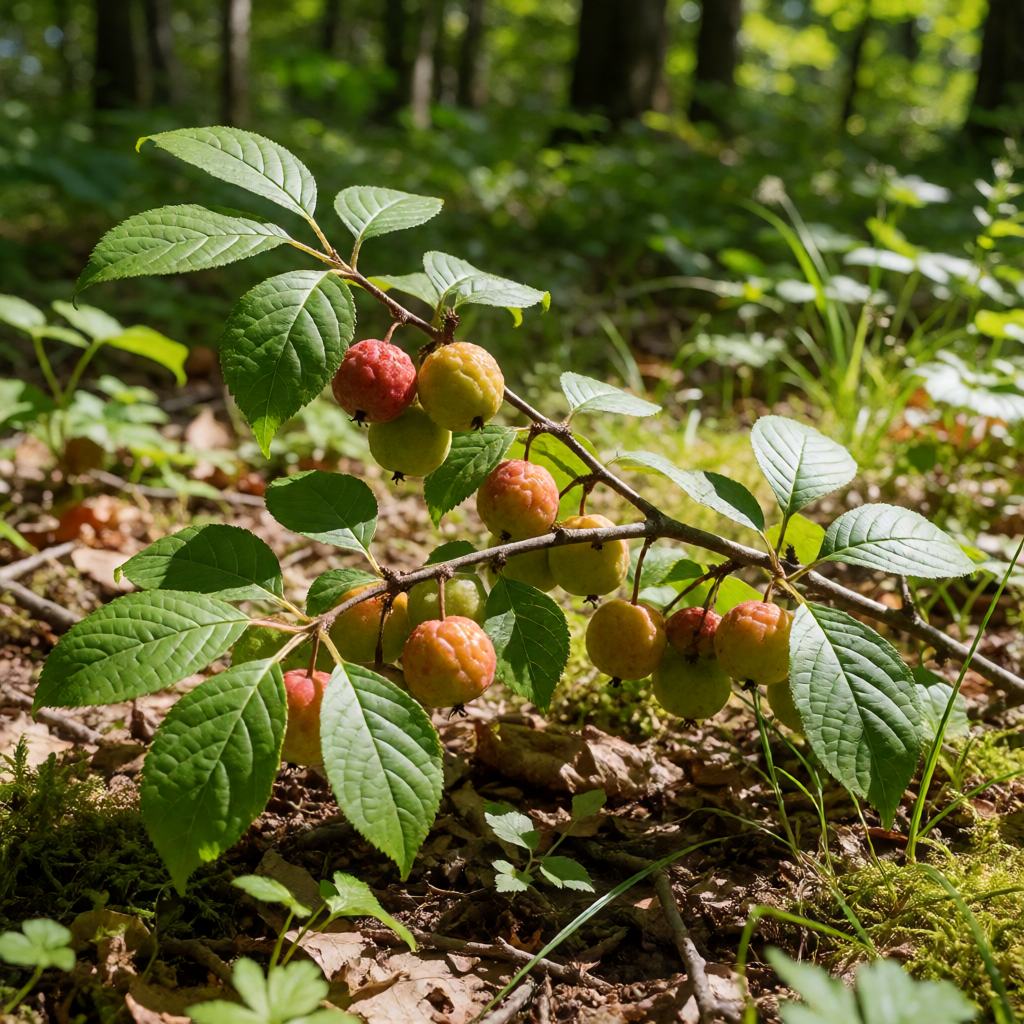
Fruit is the main food in summer. Acorns and beechnuts matter in autumn. Insects are dug from rotten wood.
Honey and larvae are prized, as well. Small mammals are taken at times. Carrion is eaten when found.
Crops are raided near villages. Because the gut is short and simple, most plant food passes through quickly, so the bear must eat huge amounts each day.
Cubs born in the winter den
The breeding cycle
Mating runs from June to July in most areas. The egg waits before it implants. That delay lasts several months.
Cubs are born in the winter den. Litters hold 1 to 3 cubs. Two is the usual number, though.
Cubs are blind and tiny at birth. They stay with the mother for 2 years, in fact. Because the female gives birth while she sleeps, she must store fat in autumn to feed herself and her cubs all winter.
Vulnerable
Conservation
The IUCN lists the species as Vulnerable. Populations are falling across most of the range. Poaching is the biggest driver.
Bile, paws and skin all sell well. In addition, forest loss adds to the pressure. Snares set for other animals kill bears.
Unlike the polar bear, which is threatened mainly by ice loss, this bear is hunted down by people who want its body parts. That hunting is hard to stop, since demand comes from far away and the bears live in remote hill forest that few patrols reach.
Side by side
How It Compares
| Trait | Asian Black Bear | Polar Bear |
|---|---|---|
| Coat | black with a cream chest crescent | white, dense and oily |
| Home | Asian hill and mountain forest | Arctic sea ice |
| Diet | fruit, nuts, insects, honey | seals and other marine mammals |
| Claws | short and curved, for climbing | long and sharp, for gripping ice |
| Main threat | poaching for body parts | sea ice loss |
| IUCN status | Vulnerable | Vulnerable |
Common misreadings
What People Get Wrong
- All bears eat mostly meat. This one lives largely on fruit and nuts.
- The chest mark means old age. It is a permanent crescent.
- Habitat loss is the main threat. Poaching for bile and paws drives the decline.
Going further
Sources and Further Reading
- Wikipedia, Asian black bear
- IUCN Red List, Ursus thibetanus. The IUCN Red List of Threatened Species.
- Animal Diversity Web, University of Michigan. Ursus thibetanus.
- Garshelis, D. and R. Steinmetz. 2020. Ursus thibetanus. The IUCN Red List of Threatened Species.
Quick hits
Five things to remember
- The pale chest mark gives the bear the name moon bear.
- Cubs are born in the den while the mother sleeps.
- Eggs wait months before they implant in the womb.
- Bears spend much of the day up in trees.
- Wild animals often live past 25 years.