 By st20113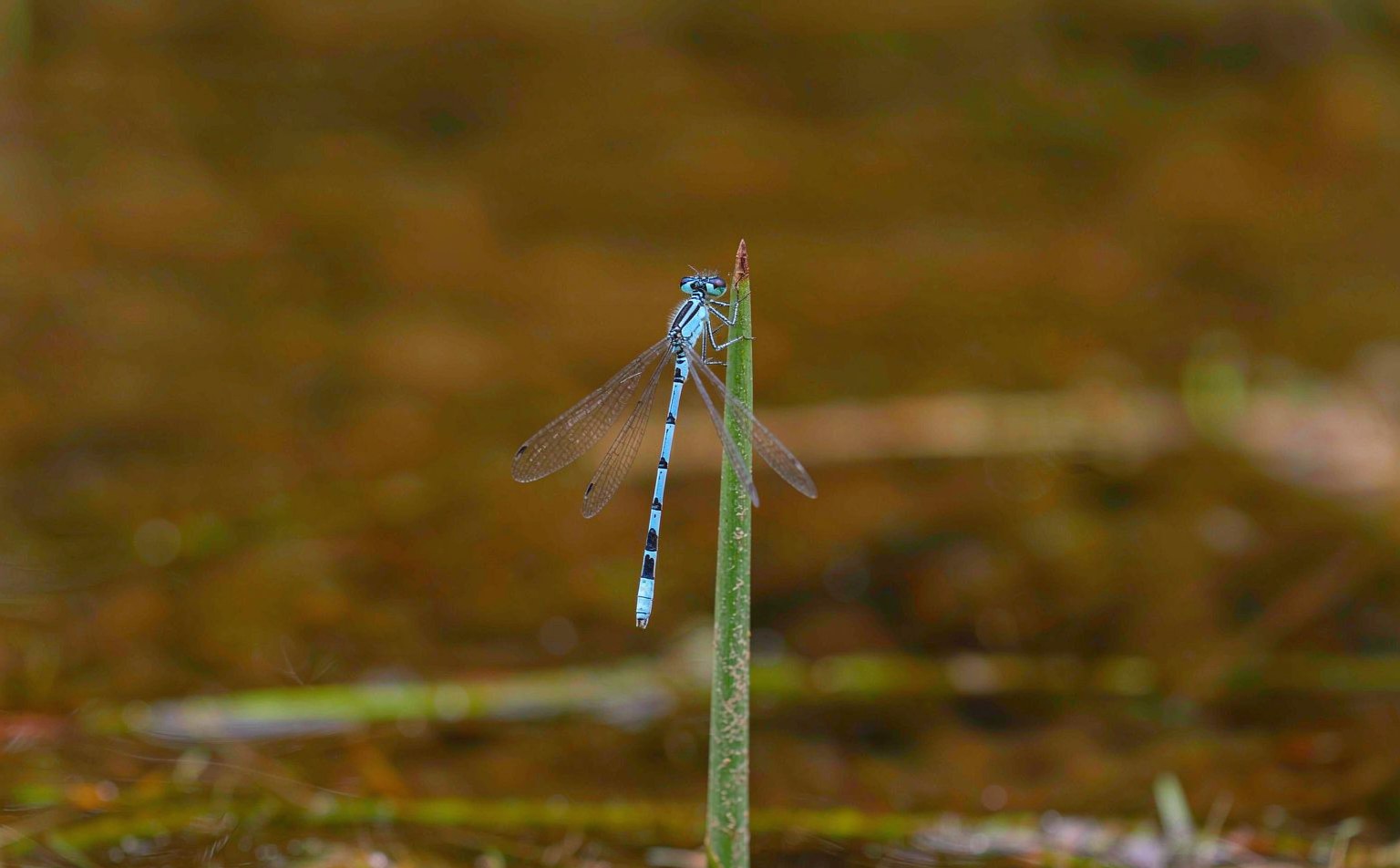
Enallagma cyathigerum | Common Blue Damselfly
Introduction
The Common Blue Damselfly (Enallagma cyathigerum) is one of the most familiar damselflies of Europe and a constant companion of summer ponds, lakes and canals, where the sky-blue males dance over the water in loose swarms. Small, slim and restless, it is often the first blue damselfly a pond-watcher learns. Its tolerance of many water types makes it one of the commonest members of the dragonfly and damselfly order.
Taxonomy
Enallagma cyathigerum was described by Charpentier in 1840 and sits in the large genus Enallagma, the “pond damsels”. It is a member of the family Coenagrionidae, the narrow-winged damselflies, alongside the European Pond Turtle‘s wetland neighbours and the red and azure damsels. Its name refers to the goblet-shaped black mark on the second segment of the male’s abdomen, a key feature separating it from the similar azure damselfly. It is treated as a single widespread species across its Eurasian range.
Physical Characteristics
Adults are slender, 32 to 36 millimetres long with a wingspan near 45 millimetres. The male is powder-blue with narrow black markings, including the distinctive “wine-glass” or goblet spot on the top of the abdomen and a broad black “U” near the tip. The female is usually blue like the male but also occurs in a green-and-black form, both with the same tidy pattern of black rings. The wings are clear and held together over the back at rest, and the eyes are blue-grey. The legs are pale with black spines, unlike the all-black legs of the Large Red Damselfly.
Habitat
Common Blue Damselflies breed in almost any open, sunny still water with some vegetation: ponds, lakes, reservoirs, canals, ditches and slow rivers. They are less tied to acidic or tiny pools than some relatives and are common in both village and city water bodies, which makes them one of the most widespread damselflies. They need emergent plants for egg-laying and perches, and they avoid shaded, fast or barren water. On warm days they may wander well away from water, hunting in meadows and gardens.
Diet
The nymphs live among pond weeds for several weeks to a year, seizing small invertebrates, tadpoles and tiny crustaceans with their snapping labium. Adults are agile aerial predators of small flies, midges, gnats and aphids, caught in the mesh of spiny legs. Like the big Emperor Dragonfly, they help control summer biting insects, but on a fraction of the size. A resting damselfly rarely sits still for long, darting up to investigate any passing insect or rival.
Reproduction
Pairs form the familiar mating “wheel”, after which the female lays eggs in the soft tissues of aquatic plants just below the surface, often guarded by the male hovering above. The eggs hatch into nymphs that grow through many moults before climbing a stem to emerge, usually from late spring into summer. The flight season runs from May to September in most of the range. There is no parental care, and the young fend for themselves from hatching.
Conservation
The Common Blue Damselfly is abundant and of Least Concern, and it has prospered with the spread of garden ponds and restored gravel pits. Its main threats are the loss of clean, vegetated water to infilling, shading and pollution, and the stocking of ponds with large fish that eat the nymphs. Leaving a sunny, plant-fringed, lightly fished pond is usually enough to keep it common. Its abundance makes it a useful, easy measure of pond health.
Fun Facts
- The male’s black abdomen mark looks like a little wine glass or goblet.
- Females come in both blue and green colour forms, confusing beginners.
- It often forms flickering swarms of dozens of males above the water.
- Its nymphs climb a stem to split their skin and emerge as adults.
- It can breed in tiny garden ponds as happily as in large lakes.