 By st20113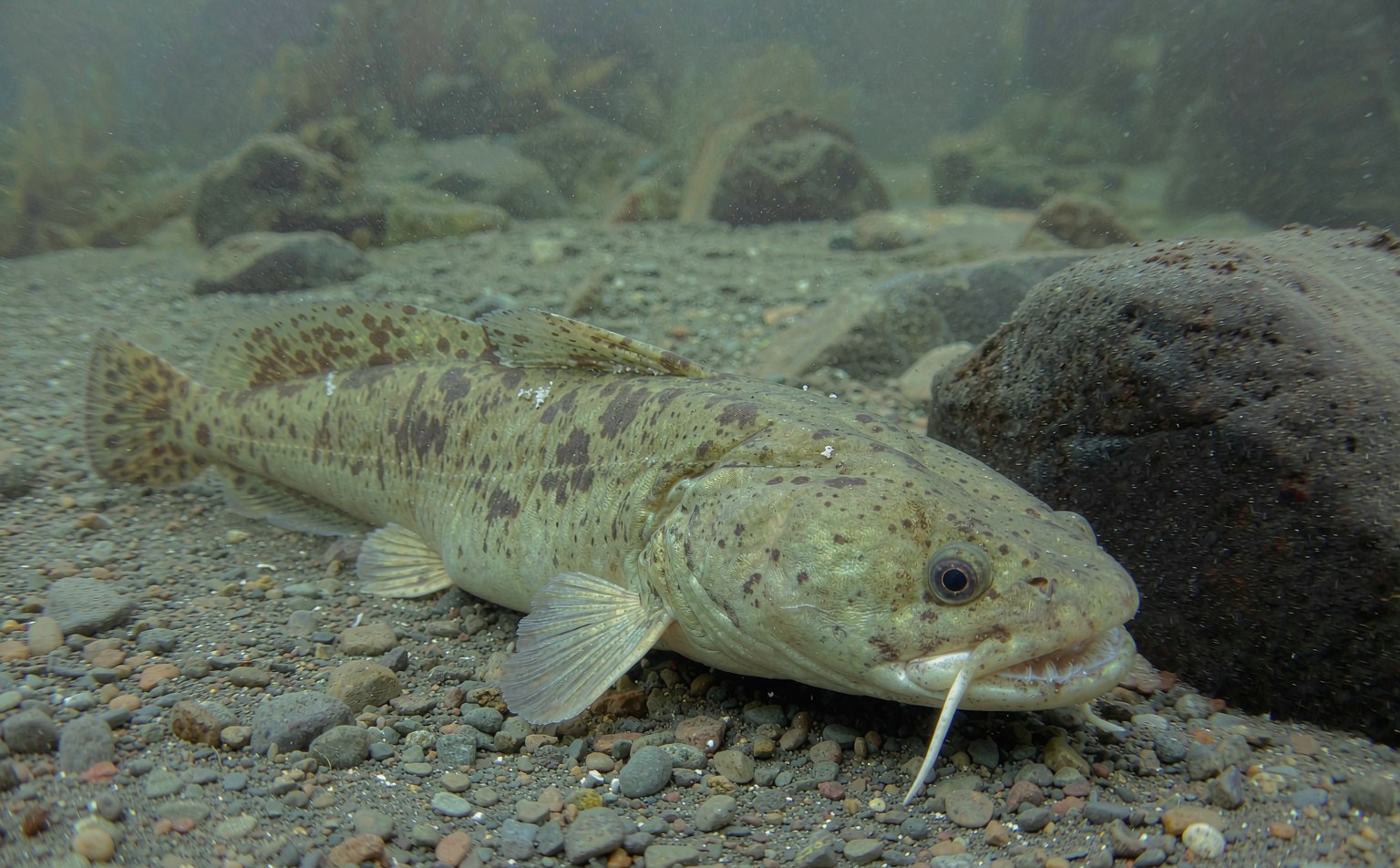
Lota lota | Burbot
Introduction
The Burbot (Lota lota) is a curious, almost eel-like freshwater fish and the only member of the cod family (Gadidae) that lives in rivers and lakes rather than the sea. With its elongated body, flattened head and a single barbel hanging from the chin, it is unmistakable. A cold-water specialist of clear, oxygen-rich waterways, it is active in the depths of winter when most other fish are dormant, and it is prized by anglers for its delicate, white flesh.
Taxonomy
Lota lota was described by Carl Linnaeus in 1758 as the sole species of the genus Lota. Although it looks like a catfish or an eel, it is a true cod, related to the marine gadids of northern seas. It is the only freshwater representative of that mainly marine family, a relic of a time when cold-water cods ranged more widely through connected glacial waters. No subspecies are generally recognised across its broad northern Eurasian and North American range, though local forms differ in size and spotting.
Physical Characteristics
The burbot reaches 30 to 70 centimetres and, in large rivers and lakes, occasionally more than a metre. Its body is long, cylindrical and tapering, with a continuous fin running from the rounded tail forward along the back and belly, broken only by the small, separate pelvic fins. The head is broad and flattened, the mouth wide, and the chin carries a single obvious barbel used to find food on the bottom; a smaller barbel sits at each nostril. Colour is olive to yellowish-brown with darker mottling above and pale below, providing camouflage against gravel and sand.
Habitat
Burbot favour cold, well-oxygenated rivers, large streams and deep, clear lakes, usually over gravel, sand or muddy bottoms. They are essentially fish of the north, thriving in cool water and shunning warm, lowland ponds. By day they lurk in deep pools, under cut banks and among boulders, becoming active at night and especially in winter. They are sensitive to low oxygen and to silt, so they disappear from rivers that are dammed, warmed or choked with fine sediment.
Diet
Adults are opportunistic predators and scavengers of the bottom. They take fish—including smaller burbot, minnows and young coarse fish—along with crayfish, large insect larvae, worms, molluscs and any carrion they encounter. Their chin barbel helps them locate prey in darkness and murk. Young burbot feed on small invertebrates before turning to fish as they grow. In winter, when metabolism stays high in cold water, they feed actively beneath the ice.
Reproduction
Spawning is unusual among freshwater fish in that it takes place in mid-winter, from December to February, under ice in rivers and lakes. Males gather over suitable gravel or sand and females arrive to release vast numbers of adhesive eggs that drift and stick to the bottom; there is no parental care. The eggs hatch in early spring, and the tiny larvae drift into nursery margins. Burbot mature in two to four years and can live for more than a decade in undisturbed water.
Conservation
The burbot has declined sharply across much of western and central Europe and is extinct in Britain, mainly because of river regulation, pollution, warming and the loss of free-flowing, oxygenated habitat. It is listed as Threatened or Protected in several countries and is the focus of reintroduction projects in parts of its former range. Conservation depends on restoring cold, connected, well-oxygenated rivers and on protecting winter spawning grounds from disturbance. Where conditions remain natural, the species can still be common.
Fun Facts
- It is the only freshwater fish in the cod family, a relic of cold northern seas.
- It spawns in the middle of winter, often under ice when rivers are at their quietest.
- The single chin barbel works like a whisker to find food in the dark.
- Its continuous fin gives it a smooth, eel-like swimming motion despite being a true cod.
- Once common in English rivers, it is now locally extinct in Britain but survives in cooler Europe.