 By st20113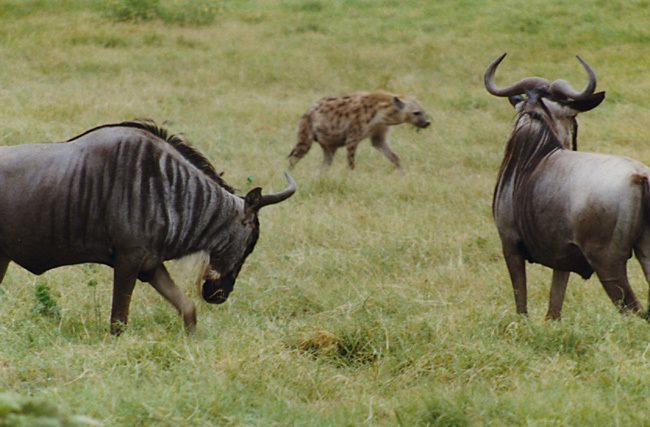
Introduction
The blue wildebeest (Connochaetes taurinus) is a large African antelope and one of the most recognisable members of the bovid family. Known for its muscular front quarters, shaggy mane, and peculiar appearance, the blue wildebeest is a cornerstone species of the African savanna ecosystem. The annual great migration of vast wildebeest herds across the Serengeti-Mara ecosystem is one of the most spectacular natural events on Earth. Blue wildebeest populations number around 1.5 million, making them one of the most abundant large herbivores in Africa. Despite their comical appearance, wildebeest are built for speed and endurance, capable of running at up to 80 kilometres per hour.
Taxonomy
The blue wildebeest belongs to the genus Connochaetes within the family Bovidae, order Artiodactyla. German zoologist Georg August Schweinfurth first described the species in 1872. The genus contains just two living species: the blue wildebeest and the black wildebeest (Connochaetes gnou), native to southern Africa. Within the blue wildebeest, five subspecies are recognised, including the Serengeti wildebeest, the western white-bearded wildebeest, and the Cookson’s wildebeest. Wildebeest are members of the subfamily Alcelaphinae, which also includes hartebeest and topi.
Physical Characteristics
The blue wildebeest displays a distinctive bluish-gray coat with darker vertical stripes on the shoulders and flanks. The beard, mane, and tail are dark, almost black. Both sexes carry horns that curve sideways and then upward, reaching lengths of over 80 centimetres in large males. Adults stand approximately 1.2 to 1.5 metres at the shoulder and weigh between 150 and 250 kilograms, with males heavier. Despite their hunched, somewhat ungainly appearance, blue wildebeest are powerfully built and remarkably athletic, with long legs and a deep chest adapted for sustained running across open terrain.
Habitat
Blue wildebeest are native to the grasslands and savannas of eastern and southern Africa, with the largest populations in Tanzania and Kenya. The species is particularly associated with the Serengeti-Mara ecosystem, where it undertakes one of the largest mammal migrations in the world. During the rainy season, herds graze on the shortgrass plains of the southeastern Serengeti, before moving northwest as the dry season sets in. Wildebeest are water-dependent and typically never stray more than 15 to 25 kilometres from a reliable water source. They are adapted to open habitats and avoid dense woodland.
Diet
As grazers, blue wildebeest feed primarily on short grasses, consuming the leafiest and most nutritious parts. They are selective feeders, preferring grass species with higher protein content. During the dry season, they may browse on shrubs and forbs to supplement their diet. They require daily access to water and drink at least once a day. Wildebeest spend roughly eight to nine hours each day feeding, with peak activity in the early morning and late afternoon. Their constant movement prevents any single area of grass from being overgrazed, promoting a patchwork of vegetation in various stages of renewal.
Reproduction
The breeding season, known as the rut, typically occurs between May and June. Dominant males establish and defend territories to gain access to receptive females, engaging in head-to-head clashes. A single calf is born after a gestation of about eight months, with calving occurring within a narrow two-to-three-week window between January and February, synchronised with the peak rainy season. This concentrated birth pulse overwhelms predators with sheer numbers. Calves can run within minutes of birth and keep pace with the herd shortly after being born. Mothers nurse their calves for roughly seven months. Wildebeest reach sexual maturity at around three years of age.
Conservation
The blue wildebeest is classified as Least Concern, reflecting its relatively large and stable population. However, fences across migration routes have caused mass die-offs when wildebeest become trapped between water and barriers. Climate change is altering rainfall patterns, potentially disrupting the synchrony of the great migration. Agricultural expansion and competition with livestock for grazing land and water are ongoing concerns. Wildebeest remain abundant in well-protected areas such as the Serengeti National Park and Masai Mara National Reserve, where populations are actively monitored.
Fun Facts
Despite their bulky build, blue wildebeest can run at speeds exceeding 80 kilometres per hour. During the great migration, wildebeest cover more than 800 kilometres in a single year following seasonal rains. Newborn calves can stand and run within five to seven minutes of birth. Wildebeest have a symbiotic relationship with oxpeckers, birds that perch on their backs and feed on ticks and other parasites.