 By st20113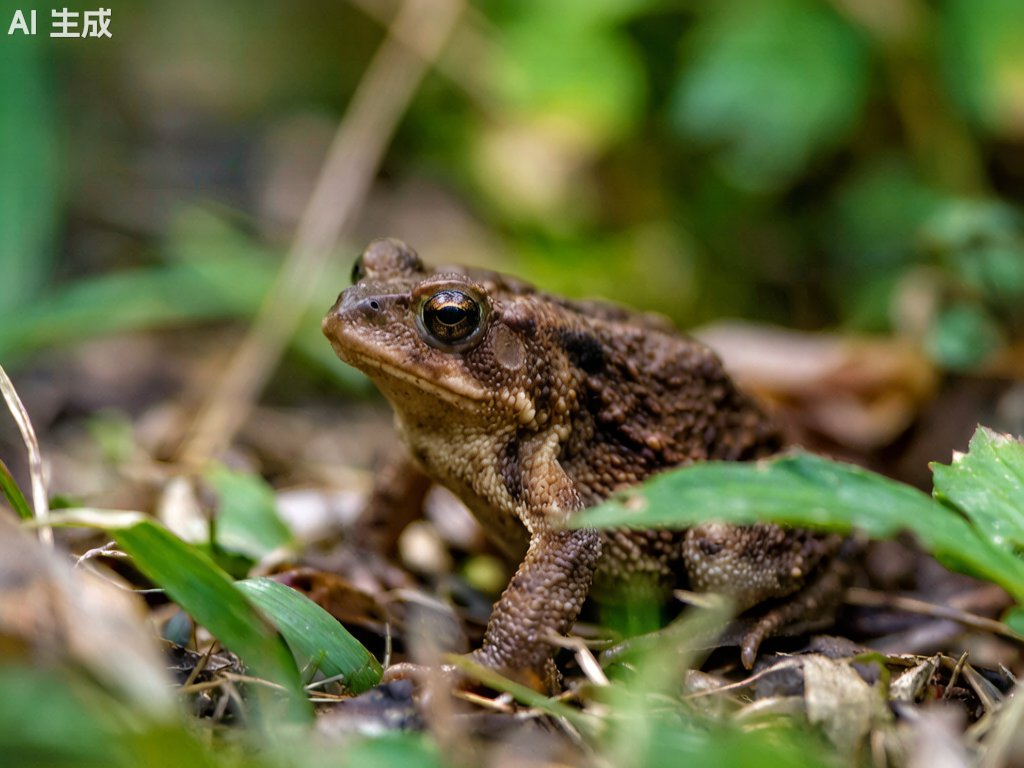
Introduction
The Common Toad, scientifically known as Bufo bufo, is a widespread amphibian found throughout Europe and parts of Asia. This robust amphibian is easily recognised by its warty skin, parotoid glands behind the eyes, and distinctive hopping gait. Common Toads are nocturnal creatures that emerge from hiding during warm, humid nights to forage for invertebrates. They play an important ecological role in controlling insect populations and serve as prey for various predators including birds, snakes, and mammals.
Taxonomy
The Common Toad belongs to the family Bufonidae, which includes true toads. Molecular studies have revealed that the species comprises several subspecies across its range, from Iceland to Japan. The species was first described by Carl Linnaeus in 1758. Genetic analysis shows that Bufo bufo is closely related to other Holarctic toads, with which it shares similar reproductive strategies and ecological niches. The toad has been studied extensively for its toxic skin secretions.
Physical Characteristics
Adult Common Toads measure 9–14 cm in length, with females larger than males. They have dry, warty skin covered in parotoid glands that produce a toxic secretion used for defense. The coloration varies from brown to olive-green, often with darker markings. Common Toads have short, powerful hind legs adapted for hopping rather than jumping. Their prominent parotoid glands are located behind each eye and can produce enough toxin to deter most predators. Males develop dark calluses on their forelimbs during breeding season.
Habitat
Common Toads inhabit diverse environments including deciduous woodlands, hedgerows, gardens, and agricultural areas. They require access to water for breeding but spend most of their lives on land. During the day, they shelter under logs, stones, and in burrows. In autumn, they migrate to breeding ponds, often returning to the same site year after year. Some populations undertake remarkable migrations of over a kilometer to reach breeding waters.
Diet
Common Toads are carnivorous, feeding on insects, spiders, worms, slugs, and other small invertebrates. They use a sticky tongue to capture prey, which they swallow whole. Adults can consume up to 10,000 insects per year. Toads are ambush predators, remaining motionless until prey comes within range. They are most active during warm, humid nights, particularly after rain. Tadpoles are herbivorous, feeding on algae and detritus in ponds.
Reproduction
Breeding occurs in spring, with males arriving at ponds first and calling to attract females. Males grasp females in amplexus and fertilise eggs externally. Females lay long strings of 3,000–12,000 eggs, which hibernate over winter and hatch in spring. Tadpoles metamorphose over 10–14 weeks, emerging as terrestrial juveniles. Common Toads reach sexual maturity at 3–5 years and can live for 10–40 years in the wild, making them one of the longest-lived amphibians in Europe.
Conservation
Common Toad populations have declined in many areas due to habitat loss, road mortality, and pollution. The removal of hedgerows and wetland drainage has reduced suitable habitat, while road deaths during migration are a significant threat. Pesticide use affects both adult toads and their aquatic larvae. Conservation measures include creating toad-friendly pond edges, installing migration barriers on roads, and protecting woodland habitats. The species is protected under various national and international legislation.
Fun Facts
Common Toads can live for over 40 years in the wild, making them one of the longest-lived amphibians. Their skin produces a variety of bioactive compounds, including bufotenin, which has been studied for potential medical applications. Toads can detect prey through vibrations in the ground, allowing them to hunt in complete darkness. During breeding, males can produce calls loud enough to be heard by humans up to 500 meters away.
[…] shares its pond with the larvae of the Common Toad and with the Grass Snake that hunts at the margin, and it is itself prey for larger predators. […]
[…] is shared with several close relatives. As an arachnid it is kin to harvestmen and mites, and the common-toad-bufo-bufo-3 and other predators take spiders of this size where web and wall meet the […]
[…] the food web it is prey for ground beetles, shrews, toads and birds. The common-toad-bufo-bufo-3 and other amphibians that forage the litter will take millipedes, and the pill millipede’s […]