 By Iris
The Meiji Restoration | Japan’s Leap to the Modern World
Historical Profile · Japan
The Meiji Restoration | Japan’s Leap to the Modern World
In a single lifetime Japan was rebuilt from a closed farming country into an industrial power that could beat a European navy.
AD 1868-1912
The change
Domains ended
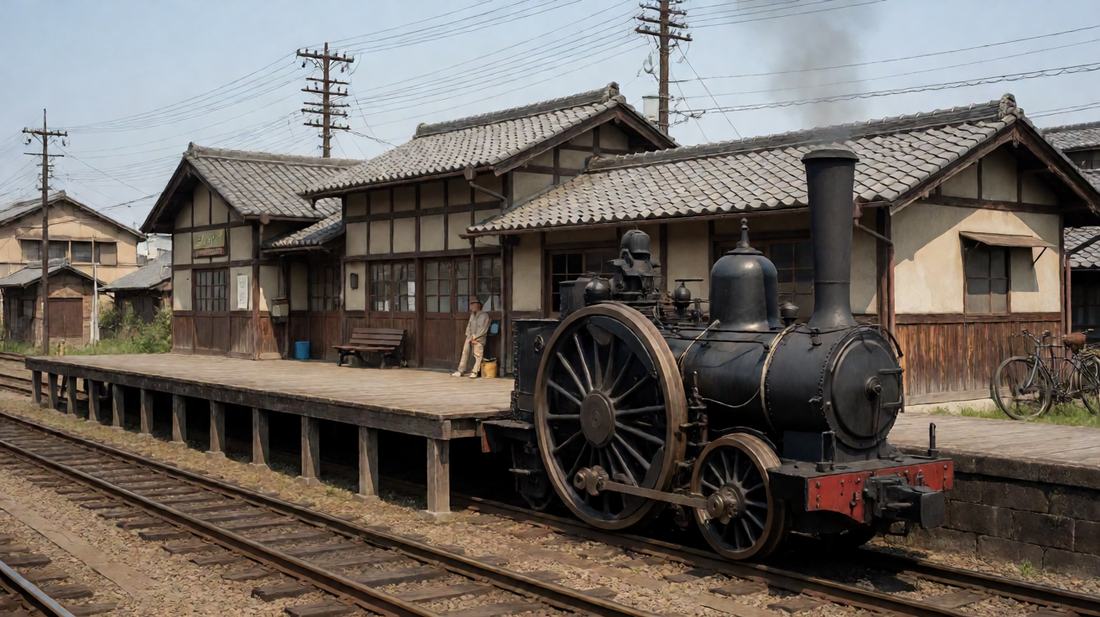
First railway
Constitution
War with Russia
The big picture
Introduction
The Meiji Restoration was a great change. It turned Japan from a closed farming country into an industrial power in less than 50 years. It takes its name from the reign title of the emperor. He came to the throne in 1868.
In that year the last shogun gave up his office. A group of young men from the western provinces took the government in the emperor’s name. Within a generation they had abolished the old ranks. They built railways and factories.
They set up schools for everyone. They wrote a constitution. By 1905 Japan had beaten a European power in war.
Setting
Historical Context
Japan had been ruled for more than 250 years by the Tokugawa shoguns. They held power from the town of Edo, now Tokyo. The emperor lived in Kyoto and had no part in government. The country was divided into some 260 domains. Each was ruled by a lord who owed loyalty to the shogun. The whole system rested on a fixed order of ranks. The warrior class stood at the top. The shoguns kept the country closed.
Foreign trade was limited to a few Dutch and Chinese ships at a single port. Japanese people were forbidden to travel abroad. That policy kept the country at peace and free of foreign control. It also left it without knowledge of what had happened in Europe and America since the 1600s. What learning did come in arrived through the Dutch traders. Their home ports were the cities of Amsterdam and the Dutch Golden Age. The peace did not last. In 1853 an American squadron under Commodore Perry entered the bay at Edo.
It demanded that the country open its ports. The shogun’s government had no answer to modern warships. In 1854 it signed a treaty that opened two ports to foreign trade. Further treaties followed. The terms were unequal. The shock of those years broke the authority of the shogun.
Turning points
Key Events
The crisis came to a head in 1867 and 1868. The last shogun, Tokugawa Yoshinobu, gave up his office. A group of leaders from the domains of Satsuma and Choshu took control in the name of the young emperor. The imperial court was moved from Kyoto to Edo. The town was renamed Tokyo. The new government set out its aims in a public declaration in 1868. The reforms came fast. In 1871 the domains were abolished and replaced by prefectures. The lords were brought to the capital and paid off. In the same year a great mission of officials travelled to America and Europe. They went to study how other countries were run. It came home with reports on factories, schools, banks, prisons and navies. In 1873 a national army was set up on the basis of conscription.
A new tax on the value of land gave the state a steady income. The old ranks were abolished. The warriors lost their right to wear swords and their fixed payments. By 1876 the class itself had been ended. A new order was built on schools and on examinations. A set of noble titles was created for those who had held high office. Education was made compulsory. A national system of universities was founded. The new state also wrote its own rules. A constitution was granted in 1889. A parliament met for the first time in 1890. The emperor kept wide powers. The ministers answered to him rather than to the assembly.
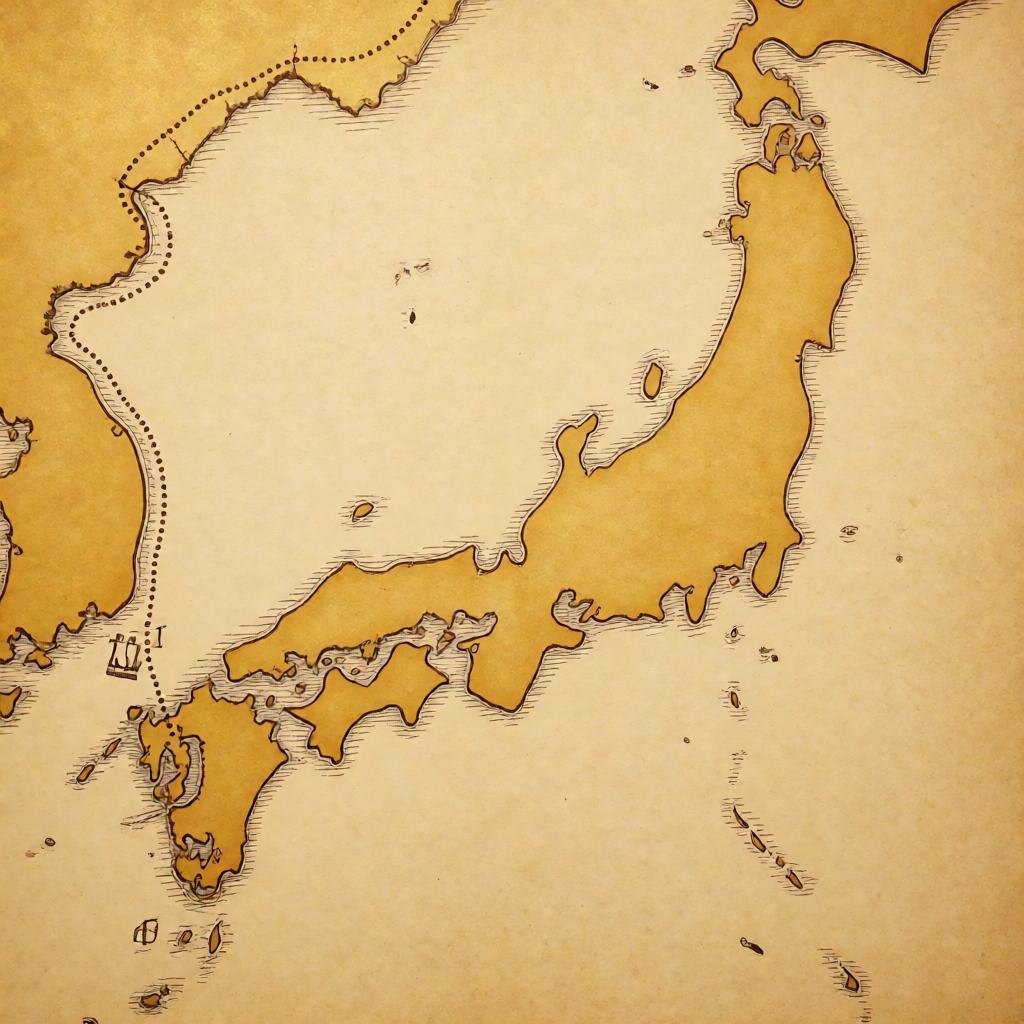
The country now had a written law and an elected house. Industry grew fast. The state built railways, mines and shipyards. Then it sold them to private firms. The first railway ran in 1872. The network spread across the country within 30 years. The new power was tested in war. Japan beat China in 1894 and 1895 and took Taiwan. Ten years later it beat Russia. The peace of 1905 made it the leading power in east Asia. The emperor died in 1912. The age that carried his name came to an end.
1
2
3
Who held power
People and Powers
The emperor stood at the head of the state. The whole system was built around his name. In practice the government was run by a small group of men. They had led the change. Most of them came from the western domains. They held the main offices for 40 years. They passed the work on to a second generation trained in the new schools.
The old lords lost their domains. A new class of officials took their place. The state was run by ministries. A trained civil service was recruited by examination. The army and the navy had their own chains of command. Power was shared between the cabinet, the army and the senior advisers of the emperor. The balance between them shaped politics for the next 50 years.
The new leaders had to bring the country with them. Most people were farmers. The changes took land from some and gave new chances to others. Village headmen, merchants and former warriors all found places in the new order. The spread of schools gave ordinary families a road to office.
Everyday world
Daily Life and Society
Most people lived in villages and worked the land. They grew grain and paid the land tax in cash after 1873. That forced many to sell part of their harvest to raise the money. The changes brought new tools and new markets. The output of the farms rose over the period. The towns grew fast.
Factories were built in the ports and the old castle towns. Workers moved in from the villages. Silk and cotton were the first great exports. The mills of the new industrial towns were staffed largely by young women from the countryside. Wages were low and hours were long. The early years of the factory system were hard.
Daily life changed in smaller ways as well. The postal service began in 1871. Newspapers spread. A national system of schools taught reading and writing to almost everyone. Dress, food and housing all took on new forms. A new class of city workers grew up between the old village and the old court.
Craft and ideas
Trade, Technology and Ideas
The new state set out to learn from abroad. Missions were sent to Europe and America. Foreign experts were hired to teach. Thousands of students were paid to study overseas. The aim was not to copy for its own sake. It was to take what was useful and fit it to Japanese conditions. In that the leaders were following a path that Peter the Great had taken in Russia two centuries before.
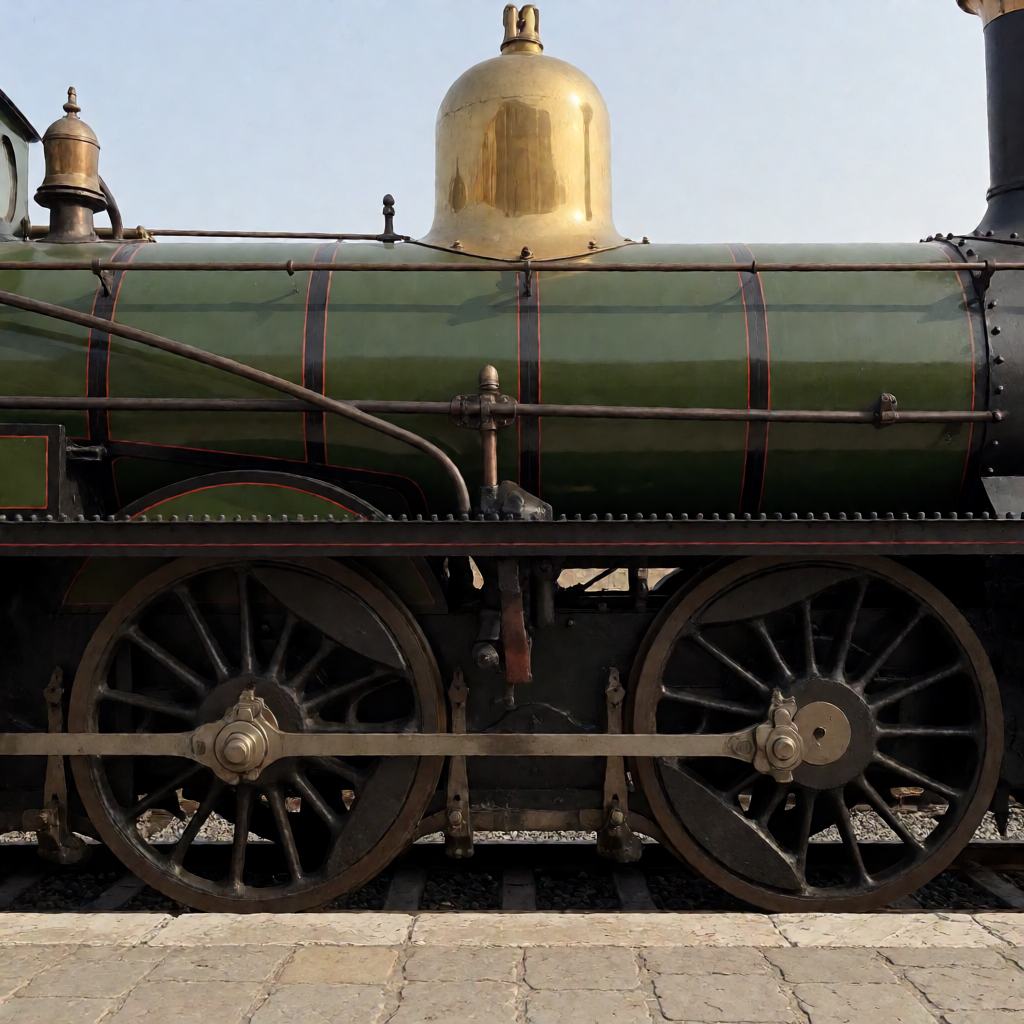
He too had forced his country to learn from the west. Railways, telegraphs and steamships arrived within a few years. The first railway line ran between Tokyo and Yokohama in 1872. The telegraph linked the main cities by the 1870s. Coal mines, shipyards and steel works were set up by the state. Then they were handed to private firms. Those firms grew into great trading houses.
By 1900 Japan was building its own warships. The reforms also changed the law and the idea of the state. A legal code was drawn up on European lines. The old system of rank by birth was replaced by one based on education and office. The new schools taught a national history and a national language. The whole country was brought under one set of rules for the first time.
What lasted
Legacy
The Meiji Restoration made Japan the first country outside Europe and America to build an industrial state. It also made Japan able to hold its own against the great powers. It showed that the gap in wealth and in weapons could be closed in a single lifetime. Its example was studied across Asia and beyond. It also left hard questions.
The new state was built on the emperor and on a national story. The same system that made rapid growth possible also made war easy to begin. The victories of 1895 and 1905 led on to a much larger war in the 1900s. The country paid a heavy price for it. The change also broke much of the old world.
The old ranks, the domains and the old ties of loyalty were swept away in a few years. The country that came out of it was one where land, work and rank were all decided in new ways. The result was a country that looked to the future. It was also one that had lost much of what it had been.
Quick hits
Five Things to Remember
- The Meiji Restoration takes its name from the reign title of the emperor who came to the throne in 1868.
- American ships under Commodore Perry entered the bay at Edo in 1853.
- The domains were abolished in 1871 and replaced by prefectures.
- A constitution was granted in 1889, and a parliament met in 1890.
- Japan beat Russia in the war that ended in 1905.