 By st20113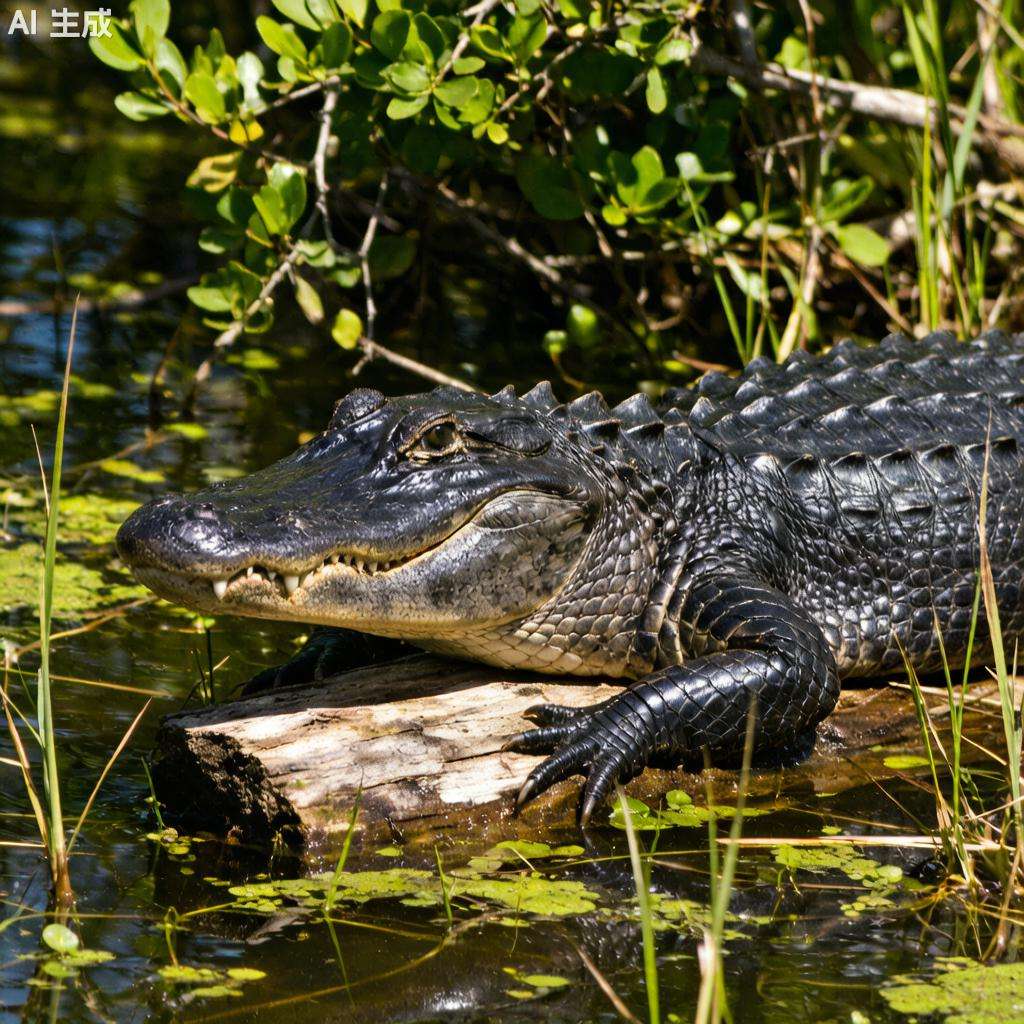
Introduction
The American Alligator is one of the largest reptiles in North America and a true success story of wildlife conservation. Once hunted to near extinction, this magnificent creature has made a remarkable recovery and now thrives throughout its native range in the southeastern United States. American Alligators can grow over 15 feet in length and weigh up to 1,000 pounds, making them formidable predators in their freshwater habitats. They are often confused with crocodiles, but alligators have broader, U-shaped snouts and are generally darker in color. These reptiles play a crucial role in maintaining the ecological balance of wetlands, creating “gator holes” that provide water for other animals during dry periods.
Taxonomy
The American Alligator belongs to the order Crocodilia and the family Alligatoridae. Its scientific name, Alligator mississippiensis, reflects its geographic origin in the Mississippi River region. The genus name comes from the Spanish “el lagarto,” meaning “the lizard,” which early Spanish explorers used to describe these reptiles. American Alligators are closely related to the Chinese Alligator, the only other living species in the genus Alligator. They are more distantly related to the saltwater crocodile and other crocodilian species. Fossil records indicate that alligators have existed for over 37 million years, making them living dinosaurs in evolutionary terms.
Physical Characteristics
American Alligators are large, heavily built reptiles with muscular bodies and powerful tails. Adult males typically reach 11 to 15 feet in length, while females are smaller, averaging 8 to 9 feet. Their dark gray to black coloration provides excellent camouflage in murky waters. The broad, rounded snout distinguishes them from crocodiles, which have narrower, V-shaped snouts. Alligators have between 74 and 80 teeth at any given time and can go through 2,000 to 3,000 teeth in their lifetime as old ones are replaced. Their eyes and nostrils are positioned on top of their heads, allowing them to see and breathe while mostly submerged. Young alligators have bright yellow stripes that fade as they mature, unlike the green iguana which maintains its coloration throughout life.
Habitat
American Alligators inhabit freshwater environments throughout the southeastern United States, from North Carolina to Texas and down into Florida. They prefer slow-moving rivers, swamps, marshes, and lakes but can also be found in brackish water habitats. Alligators are particularly abundant in the Florida Everglades and Louisiana wetlands. They create “gator holes” by clearing vegetation and mud, which retain water during dry periods and become vital refuges for fish, birds, and other wildlife. These ecosystems support diverse species including the brown bear in other regions. During winter, alligators burrow into mud or move to deeper water to survive cold temperatures.
Diet
American Alligators are opportunistic predators that eat virtually anything they can catch. Juveniles feed primarily on insects, small fish, and amphibians, while adults consume fish, turtles, snakes, birds, and mammals. Large alligators have been known to take deer, wild boar, and even smaller alligators. They use their powerful jaws to crush turtle shells and their teeth to grip slippery prey. Alligators are ambush predators, lying motionless in the water before lunging at prey that comes too close. They swallow small prey whole and tear larger animals into manageable pieces by spinning their bodies in the “death roll.” While great white shark rules ocean waters, the alligator dominates freshwater habitats.
Reproduction
American Alligators reach sexual maturity when they reach about 6 feet in length, typically at 10 to 12 years of age. Breeding occurs in late spring, with males bellowing to attract females and warn off rivals. Females build large mound nests of vegetation and mud, where they lay 20 to 50 eggs. The temperature inside the nest determines the sex of the hatchlings: warmer temperatures produce males, while cooler temperatures produce females. After a 65-day incubation period, hatchlings emerge and call to their mother, who carries them to water. Mothers protect their young for up to two years, a level of parental care rare among reptiles. The tiger shark shows no such parental devotion.
Conservation
The American Alligator was listed as an endangered species in 1967 due to extensive hunting and habitat loss. Conservation efforts, including legal protection and regulated hunting, have been so successful that the species was removed from the endangered list in 1987. Today, the population exceeds one million individuals, making it one of the greatest conservation success stories. Alligator farming and sustainable harvest programs have reduced pressure on wild populations while meeting demand for alligator products. The recovery of the American Alligator has benefited entire wetland ecosystems, as the species plays a crucial role as a keystone predator.
Fun Facts
American Alligators cannot stick out their tongues, as a membrane holds the tongue against the bottom of their mouth. They are the loudest reptiles in North America, with males producing bellows that can be heard over a mile away. Alligators can run at speeds up to 20 miles per hour on land for short distances. They have been observed using sticks as tools to lure nesting birds within striking distance. Baby alligators make high-pitched calls inside their eggs before hatching, helping the mother know when they are ready. Despite their fearsome reputation, alligators are important ecosystem engineers, creating habitats that support countless other species.