 By st20113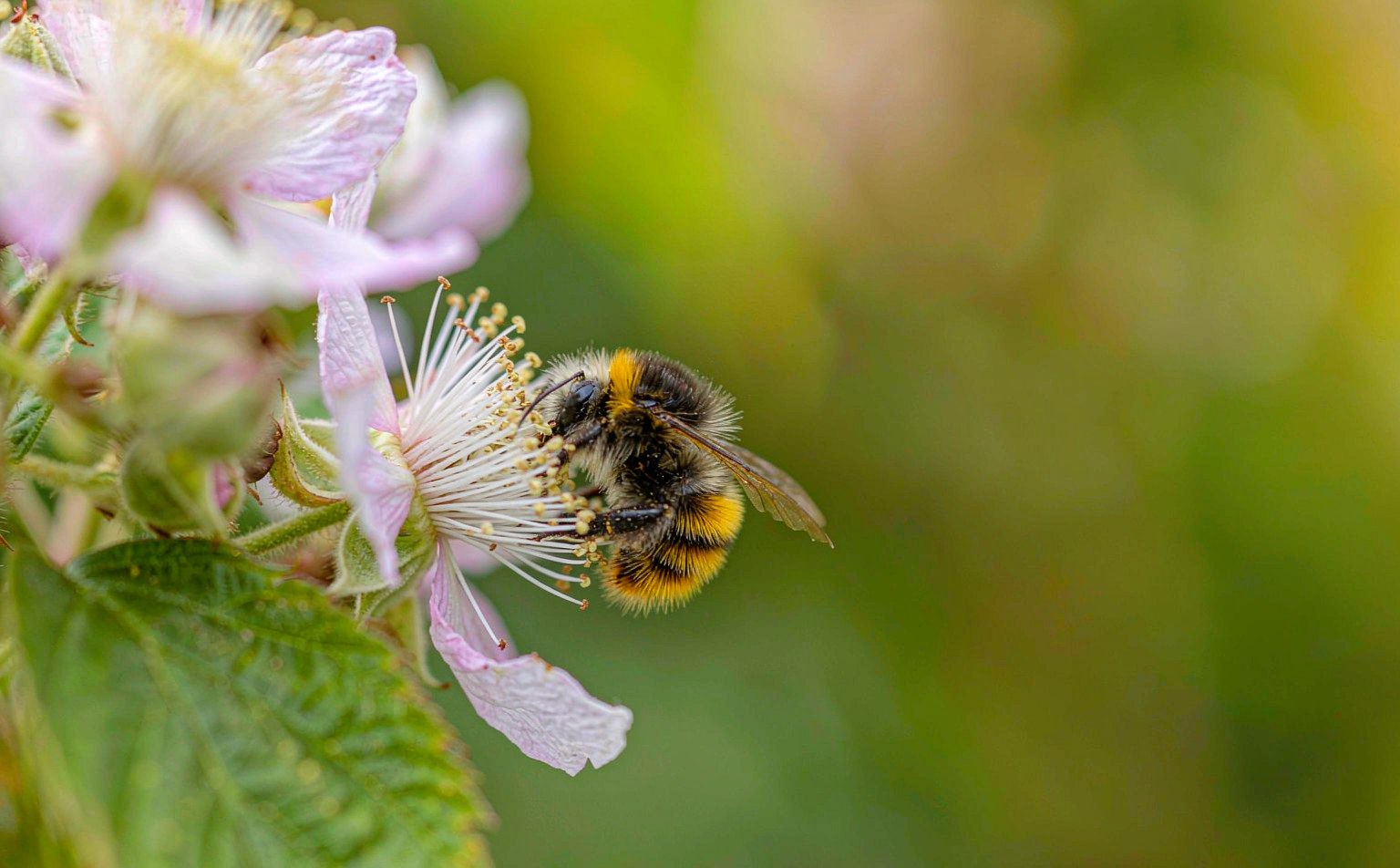
Bombus pratorum | Early Bumblebee
Introduction
The Early Bumblebee (Bombus pratorum) is one of the first bumblebees to appear each spring, a small, briskly flying insect of gardens, hedgerows, meadows and woodland edges that forages on the earliest flowers. Reaching about 1.5 to 2 centimetres, it is among the commonest garden bumblebees and is welcome for the early pollination it provides before summer bees are at full strength. The queens are tiny but bold, and the workers are quick to visit fruit blossoms, making this species a quiet ally of orchard and garden alike.
Taxonomy
Bombus pratorum belongs to the family Apidae within the genus Bombus, the true bumblebees, and is one of the short-tongued species that favour open, shallow flowers. It is told from its relatives by its small size, yellow collar and the yellow band at the front of the abdomen, and by the orange tail of the workers. It shares flowers with the Common Carder Bee and the Red-tailed Bumblebee, but it is noticeably earlier and smaller than most.
Physical Characteristics
Adults are small bumblebees, queens about 1.7 to 2 centimetres and workers around 1.1 to 1.5 centimetres. The body is fuzzy, with a yellow collar behind the head, a yellow band across the front of the abdomen, and a tail that is orange in workers and queens (the male’s is duller yellow). The wings are short and broad, and the tongue is relatively short, suiting open flowers like cotoneaster, currant and raspberry. The queens are the smallest of the common garden bumblebee queens, which helps them start nests early in cool spring weather.
Habitat
Early bumblebees use a wide range of sunny, flower-rich places: gardens, allotments, parks, hedgerows, orchards, meadows and the edges of woodland. They nest in small, pre-existing cavities—old mouse nests, bird boxes, compost heaps and wall voids—rather than digging in the ground, and they need early flowers close to the nest for the first workers. They meet the Honey Bee and the Seven-spot Ladybird in the same gardens and crops, part of a broader community of beneficial insects.
Diet
Adults feed on nectar and pollen from a broad spread of flowers, with a strong preference for early spring blooms such as willow catkins, currant, raspberry, bluebell and later cotoneaster and clover. Their short tongues suit open, shallow flowers, and they are effective pollinators of fruit blossoms, contributing to raspberry, currant and orchard crops. The larvae are fed pollen and nectar gathered by the workers. By moving between flowers they carry pollen that ties wild plants and crops into a productive, flowering landscape.
Reproduction
The annual cycle starts in spring when a single queen, having mated the previous autumn and hibernated underground, wakes and finds a nest site. She lays eggs and tends the first brood alone until the small workers emerge and take over foraging and care. The colony stays modest—often a few dozen to a couple of hundred workers—and produces new queens and males in early to mid summer. After mating, the new queens hibernate and the old colony dies off by late summer, as is typical of bumblebees.
Conservation
The early bumblebee is common and widespread and is not of principal conservation concern, but like all bumblebees it depends on continuous flower supply and on nest sites left undisturbed. It suffers from the loss of hedgerows, tidy gardens without nesting nooks, and pesticides that harm bees. It benefits from leaving early flowers, from untidy corners with old nests and compost, and from reducing insecticide use. Because it pollinates early fruit, protecting it helps both wildflowers and the food we grow.
Fun Facts
- It is one of the very first bumblebees on the wing each spring.
- The queens are the smallest of the common garden bumblebee queens.
- It nests in old mouse holes and bird boxes rather than in the ground.
- Its short tongue suits open flowers like raspberry and currant.
- Colonies are small and usually finish by late summer.