 By st20113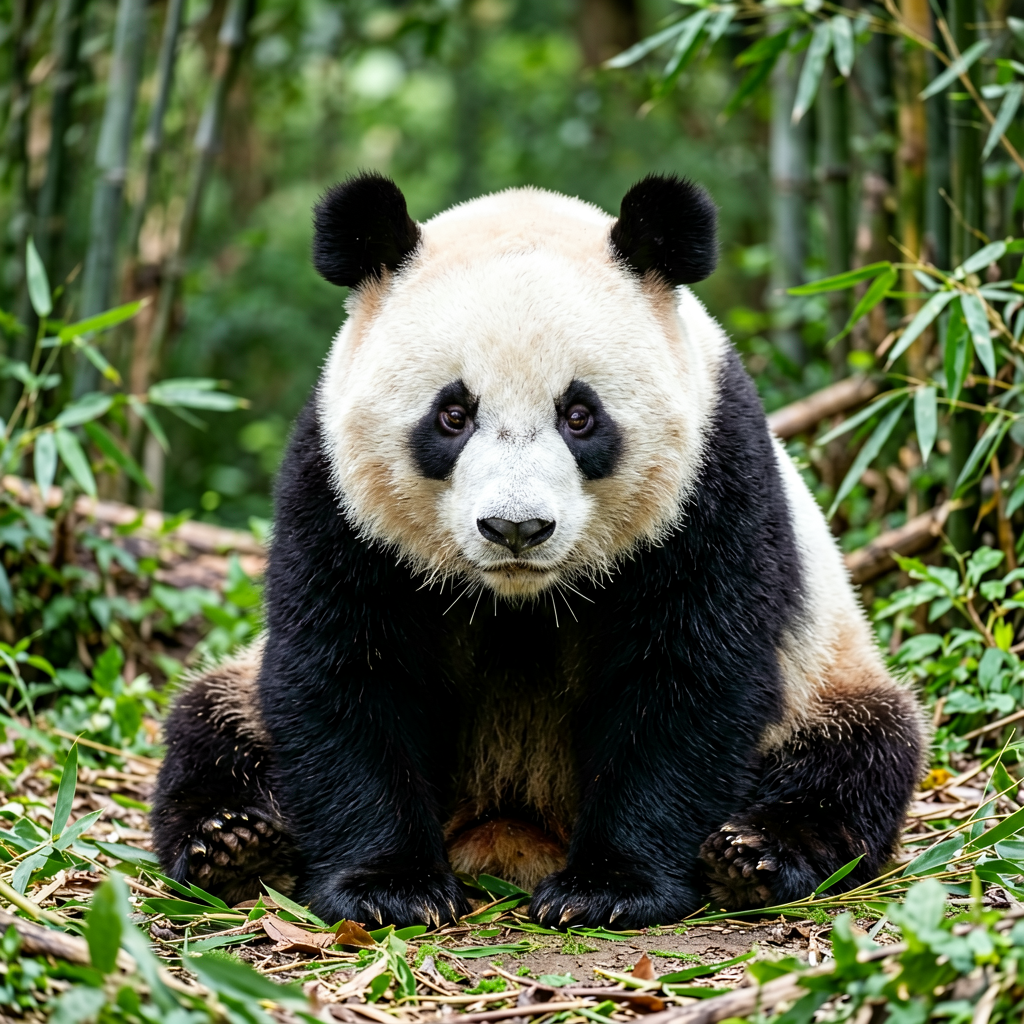
Ailuropoda melanoleuca | Giant Panda
Introduction
The giant panda (Ailuropoda melanoleuca) is a bear species endemic to China and one of the most recognizable animals on Earth. Known for its distinctive black-and-white coat, this herbivorous mammal has become a global symbol of wildlife conservation. The species was first scientifically described in 1869 by French missionary Armand David, who sent specimens and skin samples back to Europe, sparking worldwide fascination.
Taxonomy
Giant pandas belong to the family Ursidae, making them close relatives of the Brown Bear. Genetic studies have confirmed that pandas diverged from other bears approximately 19 million years ago. Despite their carnivorous ancestry, giant pandas evolved a specialized diet almost entirely dependent on bamboo. The species was once classified in the family Ailuridae alongside the red panda, but modern taxonomy places it firmly within Ursidae.
Physical Description
Adult giant pandas measure between 1.2 and 1.9 metres in body length and weigh between 75 and 125 kilograms. Their iconic coat features a white body with black patches around the eyes, ears, and limbs. The black eye patches may help individuals recognize each other and reduce glare in snowy habitats. Pandas also possess a modified wrist bone that functions as a pseudo-thumb, allowing them to grasp bamboo stalks with remarkable dexterity.
Habitat
Giant pandas inhabit temperate forests at elevations between 1,200 and 3,400 metres in the Sichuan, Shaanxi, and Gansu provinces of China. These mountainous regions provide dense bamboo forests and cool, moist climates essential for panda survival. The remaining wild populations are fragmented across six major mountain ranges, isolating different groups and limiting genetic exchange between them.
Diet
Although classified as carnivores, giant pandas spend 10 to 16 hours daily consuming between 12 and 38 kilograms of bamboo. They eat various parts including shoots, leaves, and stems, depending on seasonal availability. Occasionally, pandas supplement their diet with small mammals, birds, and insects. Their digestive system remains that of a carnivore, extracting only about 17 percent of nutrients from bamboo, which explains their constant feeding behaviour.
Reproduction
Giant pandas have one of the lowest reproductive rates among mammals. Females ovulate once per year and are fertile for only 24 to 72 hours. After a brief mating period, the female gives birth to one or two tiny cubs weighing approximately 100 grams each — roughly one-nine-hundredth of the mother’s body weight. Cubs remain dependent on their mothers for about 18 months before becoming independent.
Conservation
The giant panda was once classified as endangered but was downgraded to vulnerable in 2016 following successful conservation efforts. China established over 67 panda reserves covering more than half of the species’ wild range. International cooperation, captive breeding programmes, and habitat restoration have contributed to an estimated population of approximately 1,864 wild individuals. Conservationists continue monitoring threats including habitat fragmentation and climate change.
Fun Facts
Giant panda cubs are born pink, blind, and completely helpless, weighing less than a stick of butter. Adult pandas consume up to 40 percent of their body weight in bamboo daily. The black-and-white colouration may serve as camouflage in snowy and rocky mountain environments. Pandas can climb trees with surprising agility and often rest in tree hollows. The species has been called the living fossil of bear evolution, retaining primitive dental features for millions of years.