 By st20113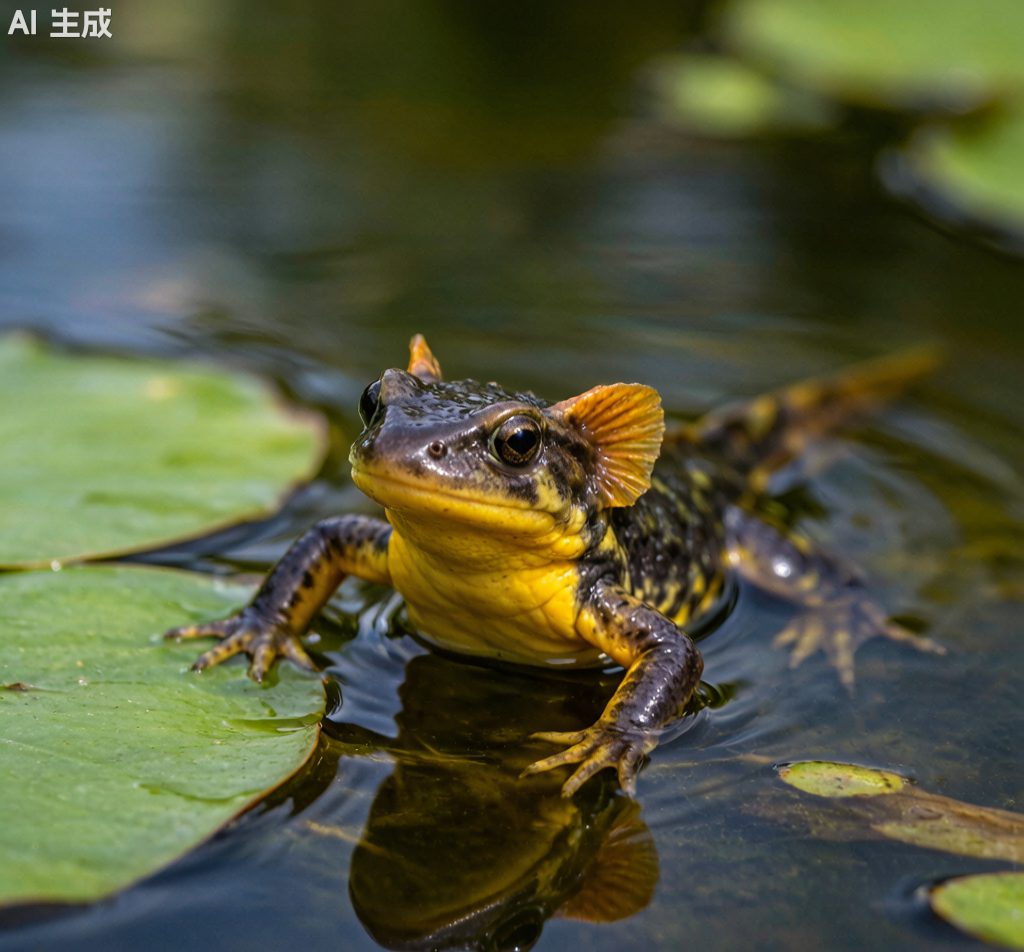
Introduction
The Southern Crested Newt (Triturus karelinii) is a striking amphibian of southeastern Europe, closely related to the great crested newt. Males develop an impressive crest during the breeding season, and the species is noted for its warty skin and vibrant belly. The southern crested newt inhabits ponds and surrounding terrestrial habitats, where it plays a role in freshwater ecosystems. Its decline from habitat loss has made it a species of conservation concern.
The southern crested newt’s dependence on both ponds and terrestrial habitats makes it vulnerable to landscape fragmentation. Pond creation and the maintenance of buffer vegetation are central to its conservation. The species’ protected status has spurred cross-border cooperation in southeastern Europe to secure key habitats.
Taxonomy
Triturus karelinii belongs to the family Salamandridae. The species was long considered a subspecies of the great crested newt before being recognized as distinct. It is part of a complex of crested newts across Europe. Genetic and morphological studies have clarified its boundaries. The southern crested newt is distinguished by specific crest and skin characters.
Physical Characteristics
Southern crested newts reach 12 to 16 centimeters in length. The body is dark brown or black with a contrasting yellow or orange belly marked with dark spots. Breeding males develop a continuous crest with a characteristic break near the head. The skin is warty compared to the smooth newt, which is smaller and smoother.
Habitat
This species requires clean, fish-free ponds for breeding and terrestrial habitats such as woodland and scrub for foraging. Newts migrate seasonally between aquatic and terrestrial environments. The species is sensitive to pollution and pond drainage. The common toad often shares the same breeding waters.
The southern crested newt’s breeding ponds are often small and temporary, making them vulnerable to drying before larvae complete development. Conservation managers sometimes supplement water or create alternative ponds to improve recruitment. Such interventions require careful planning to avoid introducing disease or invasive species.
Diet
Adults feed on aquatic invertebrates during the breeding season and terrestrial prey on land. Larvae consume small aquatic organisms and tadpoles. The species is an opportunistic predator using a projectile tongue. Newts help control invertebrate populations in pond ecosystems. Their presence indicates good water quality.
The southern crested newt’s complex life cycle makes it sensitive to changes in both aquatic and terrestrial phases. Drought and pond drying can devastate breeding success in some years. Long-term monitoring is essential to distinguish natural fluctuations from sustained decline.
Reproduction
Breeding occurs in spring when newts migrate to ponds. Males perform a courtship display and deposit spermatophores. Females lay individual eggs folded into pond plant leaves. Larvae metamorphose after several months. The grass snake preys on both adults and larvae.
Pond management that avoids fish stocking and maintains terrestrial buffer zones is essential for breeding success. Community science programs engage citizens in monitoring newt populations. Legal protection under the Habitats Directive has improved awareness and site safeguards. Restoring connectivity between ponds reconnects fragmented populations across landscapes.
Conservation
The southern crested newt is threatened by pond loss, pollution, and habitat fragmentation. It is protected under European law, including the Habitats Directive. Conservation involves pond creation, protection, and monitoring. Captive breeding supports local populations. The species is a priority for amphibian conservation in southeastern Europe.
Fun Facts
The male’s crest is used in a silent underwater courtship “dance” enhanced by pheromones. Southern crested newts can live for over 15 years in the wild. Their bright belly warns predators of toxic skin secretions. The species has strong homing ability, returning to natal ponds yearly. Newts can absorb oxygen through their skin while submerged.
Southern crested newts exhibit complex courtship behaviors in which males fan pheromone-laden water toward females. The species’ skin toxins deter many predators, allowing it to occupy ponds with fish that would eat other amphibians. Newts can survive for months on land in humid refuges during dry periods. The southern crested newt’s recovery is closely tied to community-led pond stewardship.