 By st20113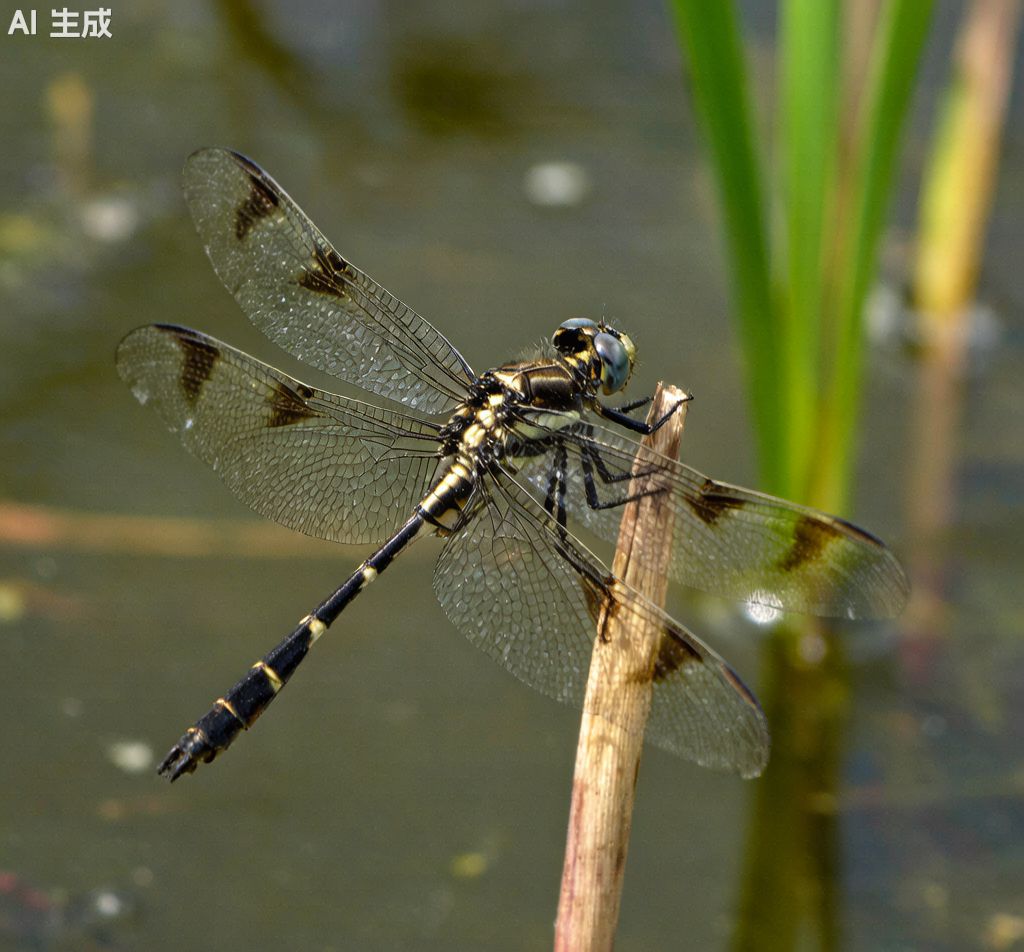
Introduction
The Banded Demoiselled (Libellula depressa) is a distinctive dragonfly species widespread across Europe and Asia. The species is named for the broad, band-like markings on the wings of males, which develop a pale blue pruinescence as they age. This medium-sized dragonfly is commonly seen patrolling garden ponds, lakes, and slow streams during the summer months.
Taxonomy
Libellula depressa belongs to the family Libellulidae, the skimmers and percher dragonflies. The genus Libellula contains approximately 20 species found across the Northern Hemisphere. The banded demoiselled is distinctive within its genus due to its uniquely flattened body shape and broad wing markings. The species’ taxonomic status has been stable since its original description.
Physical Characteristics
Banded demoiselled adults have a body length of 39 to 48 millimeters with a wingspan reaching 70 to 80 millimeters. Fresh males have a bright yellow abdomen with brown wing markings forming distinctive bands. As males mature, they develop a pale blue pruinescence covering much of the body and wings. Females retain the yellow-brown coloration throughout life. The abdomen is notably broad and flattened. The emperor dragonfly is a larger species that shares similar habitats.
Habitat
This species inhabits ponds, lakes, and slow-moving streams with abundant marginal vegetation. It prefers sunlit water bodies with muddy or sandy bottoms and overhanging vegetation for perching. The banded demoiselled often uses prominent perches such as reeds, sticks, or rocks while hunting and patrolling territories. Males establish territories along the water’s edge and frequently return to the same perch. The common darter shares many of the same pond habitats.
Diet
Like all dragonflies, the banded demoiselled is a voracious aerial predator at all life stages. Adults catch flying insects including mosquitoes, gnats, butterflies, and smaller dragonflies. Hunting occurs from perches or during patrolling flights, with prey captured using the dragonfly’s basket-like legs. Nymphs are aquatic predators that consume tadpoles, small fish, and aquatic invertebrates. Both adults and nymphs are important predators in freshwater ecosystems.
Reproduction
Males patrol territories and intercept females for mating in flight. Copulation may last 10 to 15 minutes, often while perched. Females dip the abdomen to deposit eggs directly into water or onto muddy substrates. Eggs hatch after several weeks, and nymphs develop over one to three years, molting numerous times before emerging as adults. Adult emergence typically occurs in June and July, with the species overwintering as nymphs.
Conservation
The banded demoiselled is widespread and not considered threatened. The species has benefited from the creation of garden ponds across Europe. Conservation of natural and artificial water bodies with good water quality benefits this and many other dragonfly species. The species is sensitive to fish predation on nymphs and prefers fish-free or fish-poor water bodies.
Fun Facts
Banded demoiselled males are known for their aggressive territorial behavior, regularly chasing away other dragonflies and even birds from their perches. Dragonflies are among the most efficient predators in the animal kingdom, catching prey with a success rate exceeding 90 percent. The species name depressa refers to the unusually flattened body shape. Seven-spot ladybird populations share the same garden habitats where banded demoiselles patrol. Dragonflies including the banded demoiselled are important indicators of freshwater ecosystem health, with their presence indicating good water quality and adequate habitat. Research on dragonfly flight mechanics has inspired engineering applications including微型飞行器设计. The nymph stage of dragonflies can last several years, making them vulnerable to pollution events that affect aquatic habitats. Banded demoiselled adults are distinctive and easy to identify, making the species valuable for public engagement in wildlife recording. Conservation of dragonfly habitats benefits a wide range of other freshwater species including fish, amphibians, and aquatic plants. The species has adapted to garden ponds in urban areas where natural wetlands have been lost. Dragonflies have excellent color vision and can perceive ultraviolet light, abilities that help them locate prey and potential mates. Banded demoiselled nymphs can remain undetected among pond sediments, ambushing prey that comes within striking range. The species has adapted to garden ponds and urban water features where natural wetlands have been lost. Dragonfly conservation benefits from the creation of wildlife ponds with varied vegetation structure. The banded demoiselled’s distinctive appearance makes it a popular subject for wildlife photography and public engagement.
[…] to challenging environments, from high-altitude foraging to seasonal hibernation or migration. the banded demoiselled and the seven-spot ladybird frequently coexist with the emperor dragonfly across shared landscapes, […]
[…] Ischnura elegans belongs to the family Coenagrionidae, the narrow-winged damselflies, and is one of several similar small species in its genus. It is told from its relatives by the broad blue “tail light” on the tip of the abdomen and by the pattern of the thoracic stripes. It shares waters with the larger dragonfly fauna, including the Emperor Dragonfly, though it stays low among the stems while the dragons patrol overhead. No subspecies are widely recognised across its European range, but the female colour forms have long interested naturalists. […]
[…] Platycnemis pennipes belongs to the family Platycnemididae, the white-legged damselflies, a group in which the males bear widened “feather” legs. It is the commonest member of its genus in Europe and is told from other damselflies by those pale, flattened legs and by the pale shoulder stripes on the thorax. It shares slow waters with the broader dragonfly fauna, including the Emperor Dragonfly, though it keeps to the stems and shade while the dragons patrol the open water. […]
[…] Lestes sponsa belongs to the family Lestidae, the spreadwings, a small group whose members rest with the wings partly open rather than together. It is one of several emerald damselflies in its genus and is told from them by the blue-tinged eyes and the pattern of the thorax. It shares waters with the broader dragonfly fauna, including the Southern Hawker, though it stays low among the stems while the larger dragons patrol the open water. […]