 By st20113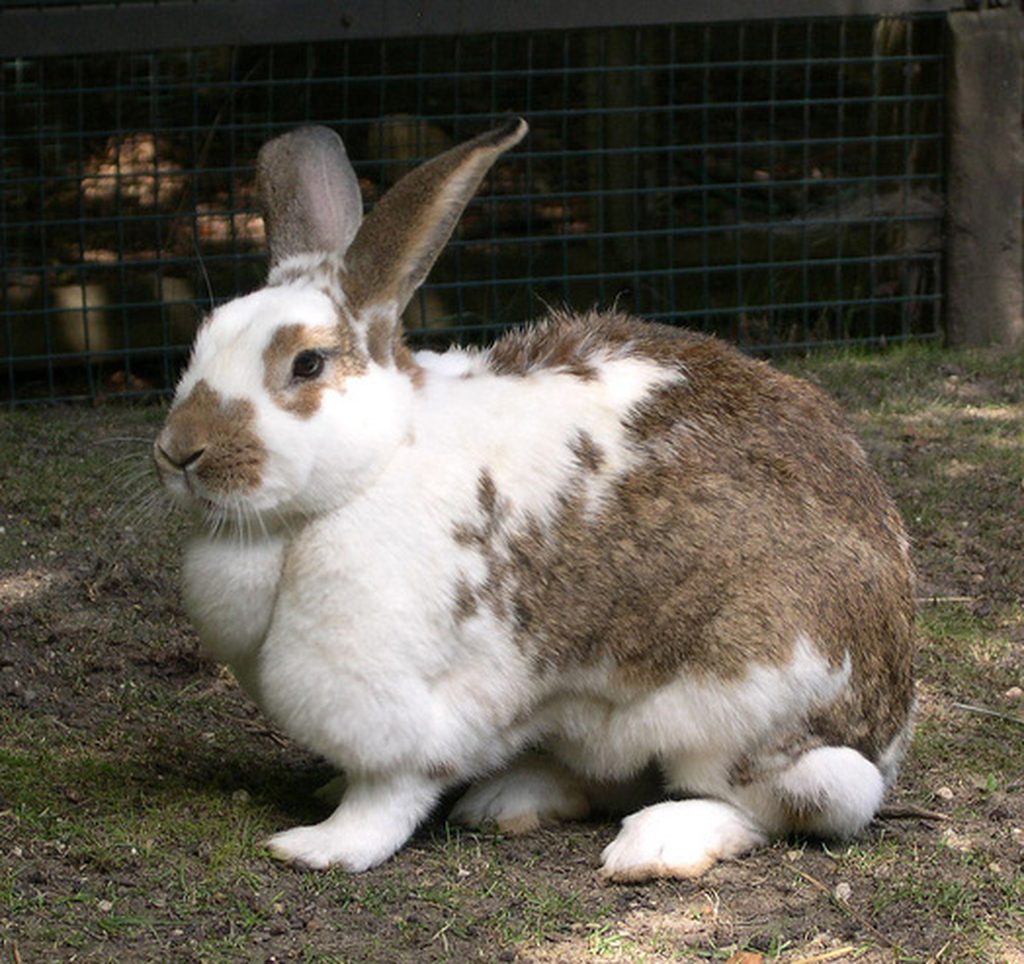
Introduction
The European Rabbit, Oryctolagus cuniculus, is a small burrowing mammal of the family Leporidae and the only species in its genus. Native to the Iberian Peninsula and parts of southwestern Europe and northwest Africa, it has been introduced to every inhabited continent except Antarctica. Weighing between 1.2 and 2.5 kilograms and measuring roughly 40 centimeters in length, it is smaller and more social than the hares with which it is often confused. Few wild mammals have shaped human history as much as this one, having been domesticated for food and fur and later spread worldwide. Its burrow systems, called warrens, form the centerpiece of its complex social life.
Taxonomy
Oryctolagus cuniculus was first formally described by the German naturalist Johann Christian Polycarp Erxleben in 1777. The genus name combines the Greek oryktos, meaning dug, and lagos, meaning hare, a nod to its burrowing habits. Unlike true hares of the genus Lepus, the European Rabbit gives birth to altricial young in underground nests rather than precocial young above ground. Genetic evidence places it as a distinct lineage within Leporidae, only distantly related to the cottontails of the Americas. All domestic rabbits, from tiny dwarf breeds to giant varieties, descend from this single wild species.
Physical Characteristics
The European Rabbit has a compact body, long erect ears, and a short fluffy tail known as a scut, white underneath. Its soft fur ranges from grey-brown to sandy, providing camouflage against soil and dry vegetation. Strong hind limbs power rapid bursts of speed and sharp turns used to evade predators. The eyes sit high and to the sides of the head, granting a wide field of vision that helps detect danger. Continuously growing incisors require constant gnawing to keep them worn down. Females, called does, are typically slightly larger than males, known as bucks, though the difference is subtle.
Habitat
European Rabbits favor open landscapes with loose, sandy soil suitable for digging, including meadows, grasslands, coastal dunes, and farmland edges. They avoid dense woodland and wet ground where burrows cannot be maintained. In their native range they aggregate in large warren networks shared by social groups. Introduced populations have colonized temperate grasslands, shrublands, and even urban fringes across Australia, New Zealand, and the Americas. Their warrens modify the soil and vegetation structure, influencing countless other species. Few animals engineer their environment as thoroughly through simple digging.
Diet
European Rabbits are herbivorous, feeding mainly on grasses, herbs, leaves, bark, and twigs. They practice coprophagy, re-ingesting special soft feces called cecotropes at night to extract maximum nutrition from cellulose-rich plant matter. Grazing occurs mostly at dawn and dusk, when temperatures are cooler and predators are less active. In agricultural areas they can damage crops and young trees, bringing them into conflict with farmers. Their constant nibbling keeps grasslands short and open, which benefits some ground-nesting birds while disadvantaging taller vegetation. This dietary role makes them a keystone herbivore across much of their range.
Reproduction
European Rabbits are among the most prolific mammals, capable of breeding from February to September in temperate zones. After a gestation of about thirty days, the doe gives birth to a litter of four to seven blind, furless kittens in a grass-lined nest chamber within the warren. She visits the nest only briefly each day to nurse, reducing the chance of attracting predators. Kittens open their eyes at about ten days and are weaned by four weeks. Females can conceive again almost immediately, producing several litters per season. This explosive reproductive capacity underlies both their ecological impact and their success as invasive pests.
Conservation
In its native Iberia the European Rabbit is classified as Near Threatened, having suffered catastrophic declines from the diseases myxomatosis and rabbit hemorrhagic disease. Because it is the primary prey for endangered predators such as the Iberian lynx, its loss cascades through the ecosystem. Elsewhere, however, the species is abundant and often considered a pest requiring control. Conservation in Spain and Portugal now focuses on vaccination, habitat restoration, and predator-proof breeding enclosures. The rabbit thus presents a paradox: threatened at home yet invasive abroad, demanding opposite management strategies on different continents.
Fun Facts
A rabbit’s teeth never stop growing, and wild individuals may wear them down by gnawing more than two hundred times per minute. The familiar phrase mad as a March hare actually refers to hares, not rabbits, which are a different genus. European Rabbits can rotate their ears independently to pinpoint sounds from different directions. In Australia their numbers once reached hundreds of millions, prompting the construction of the long Rabbit-Proof Fence. The species was so valued that monks in medieval France are credited with early domestication. Perhaps most surprising, a rabbit’s vision includes a blind spot directly in front of its nose, which is why it lifts its head to inspect food closely.
[…] and divided into ring-like segments. It shares the soil ecosystem with animals such as the European rabbit, which occasionally feeds on worms exposed at the […]