 By st20113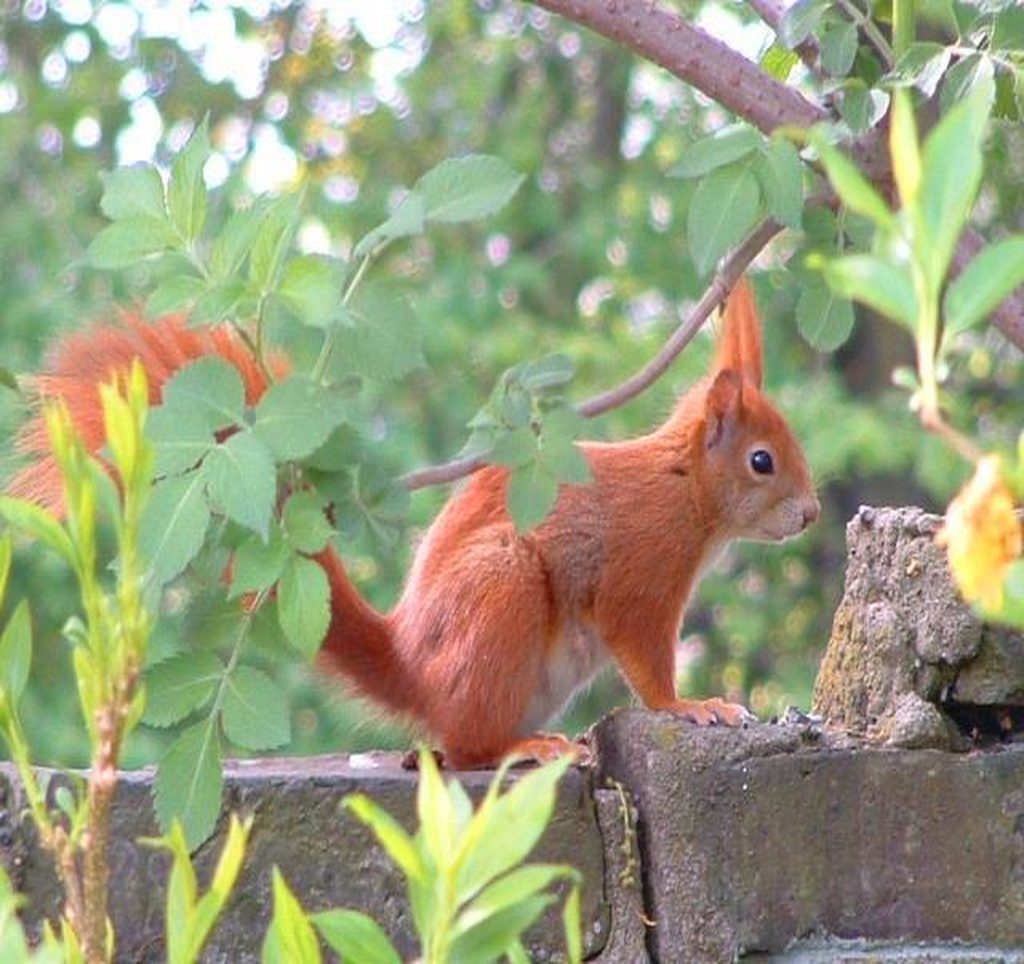
Introduction
The Red Squirrel, Sciurus vulgaris, is a small tree-dwelling rodent native to Europe and northern Asia. Recognizable by its russet coat, tufted ears, and bushy tail, it is one of the most familiar mammals of Eurasian woodlands. Adults typically measure 19 to 23 centimeters in body length with an equally long tail, and weigh between 250 and 340 grams. Though beloved in folklore and gardens, the species has declined sharply across much of Britain and Ireland following the arrival of the introduced grey squirrel. It remains, however, widespread and common across the forests of mainland Europe and Russia.
Taxonomy
Sciurus vulgaris was described by the Swedish naturalist Carl Linnaeus in 1758, the same work that laid the foundation of modern binomial nomenclature. The genus name Sciurus comes from the Greek skia, shadow, and oura, tail, referring to the way the animal shades itself with its bushy tail. The species forms numerous subspecies across its vast range, varying in coat color from deep red to nearly black in northern populations. It belongs to the family Sciuridae, which includes tree squirrels, ground squirrels, and flying squirrels. Genetic studies confirm its close relationship to other Eurasian tree squirrels while separating it from the American grey squirrel.
Physical Characteristics
The Red Squirrel has a slender body, strong clawed limbs, and a tail nearly as long as its body that aids balance and warmth. Its coat is typically red-brown in summer, often greyer in winter, with pale underparts and distinctive ear tufts that grow longer in cold months. Eyes and ears are large, supporting an arboreal, alert lifestyle. Unlike the grey squirrel, it has smaller, rounded ears and a noticeably lighter build. Its teeth, like those of all rodents, grow continuously and are kept short by constant gnawing on nuts and bark. Seasonal molts help it adjust insulation to changing temperatures.
Habitat
Red Squirrels favor coniferous and mixed woodlands, where the canopy provides both food and protection, though they also use broadleaf forests, parks, and large gardens. They are superb climbers, building dreys of twigs and leaves high in the branches or occupying tree cavities. In northern regions they depend heavily on pine and spruce seeds, while in temperate woods they exploit acorns, hazelnuts, and buds. Habitat fragmentation and the loss of mature trees have reduced suitable refuges across parts of their range. They are territorial, with individuals defending core areas rich in food from neighbors of the same sex.
Diet
The Red Squirrel is an omnivorous rodent with a strongly plant-based diet. Its staple foods are tree seeds, especially those of conifers, along with nuts, acorns, fungi, buds, bark, and berries. It supplements these with insects, bird eggs, and nestlings when available. A defining behavior is caching: the squirrel buries or hides thousands of seeds each autumn, later relocating many by scent. Forgotten caches help regenerate forests by dispersing tree seeds. Fungi such as truffles are also eaten and spread through the animal’s droppings. This seed-hoarding ecology makes the species an important, if inadvertent, forest gardener.
Reproduction
Breeding begins in late winter, with females typically producing two litters per year, though one is common in harsher climates. After a gestation of about thirty-eight to thirty-nine days, a litter of three to four blind, hairless kittens is born in a leafy drey or tree hollow. The mother alone cares for the young, nursing them for roughly eight to ten weeks. Juveniles disperse in late summer to establish their own territories. Males take no part in raising offspring. Population peaks often follow mast years, when abundant seed crops allow many young to survive their first winter and breed the following season.
Conservation
The Red Squirrel is listed as Least Concern globally because of its enormous range, but regional declines are severe. In the British Isles it has been largely displaced by the introduced red fox competing indirectly and, more decisively, by the grey squirrel, which carries a parapoxvirus harmless to itself but often fatal to reds. Conservation programs focus on grey squirrel control, habitat connectivity, and protected red squirrel refuges on islands and pine plantations. Public feeding initiatives and citizen monitoring have also aided local recovery. The species has become a symbol of native wildlife conservation across northern Europe.
Fun Facts
A Red Squirrel can leap more than four times its body length between branches, using its tail as a parachute and rudder. Its ear tufts are not for hearing but likely play a role in species recognition and display. The animal communicates with a range of chirps, screeches, and tail flicks to warn of aerial predators. In winter it grows thick ear tufts and a denser coat, sometimes appearing almost a different creature. Red squirrels occasionally eat green acorns, which are toxic to grey squirrels, giving them an edge in oak woodlands.