 By st20113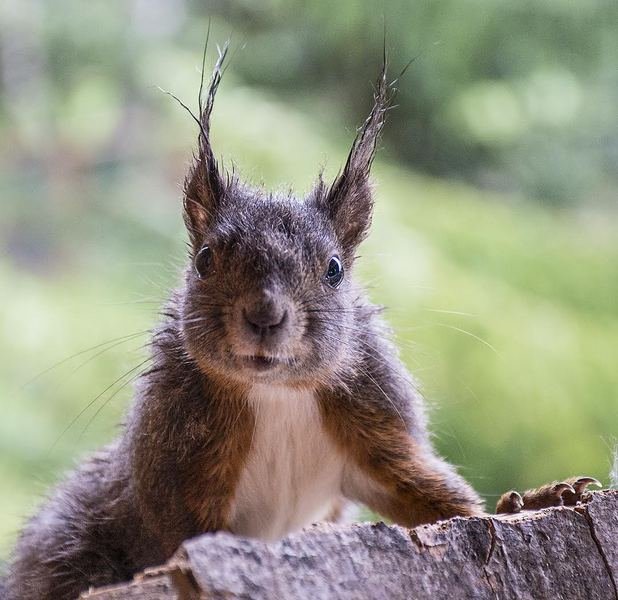
Introduction
The red squirrel, Sciurus vulgaris, is one of the most iconic woodland mammals across Europe and northern Asia. Recognized by its rust-colored coat and prominent ear tufts, this tree squirrel plays a vital role in forest ecosystems through seed dispersal and woodland regeneration. Despite its name, coat color varies from orange to deep brown. Red squirrels are solitary for most of the year, coming together only during the breeding season. Populations have declined dramatically in parts of their range due to competition with introduced grey squirrels and the spread of squirrelpox disease.
Taxonomy
Sciurus vulgaris belongs to the family Sciuridae, which includes tree squirrels, ground squirrels, chipmunks, and marmots. The genus Sciurus contains more than 100 recognized species. The species name vulgaris means “common” in Latin, reflecting its once-abundant numbers. The red squirrel shares its genus with the grey squirrel (Sciurus carolinensis), its chief ecological competitor in regions where both coexist. Phylogenetic analysis places it within a clade of Holarctic tree squirrels that dispersed across northern latitudes following climatic shifts during the Pleistocene ice ages.
Physical Characteristics
The red squirrel’s most recognizable feature is the tuft of hair on each ear. Body length ranges from 19 to 23 centimeters, with the bushy tail adding another 15 to 20 centimeters. The tail aids balance during climbing, acts as a visual signal, and provides insulation. Coat color varies considerably, from bright russet to creamy white underneath. Adults typically weigh 250 to 340 grams. Their sharp, curved claws grip bark effectively, and large hind feet absorb the impact of leaps between branches. Like all rodents, continuously growing incisors require constant gnawing to maintain proper length.
Habitat
Red squirrels inhabit coniferous, mixed, and deciduous forests across an enormous range from Ireland in the west to the Kamchatka Peninsula in the east. They show a strong preference for mature coniferous forests dominated by Scots pine and Norway spruce, but readily colonize mixed woodland, parks, and urban gardens. Each squirrel requires a territory of roughly 2 to 5 hectares, within which it maintains several spherical nests called dreys built from twigs, leaves, moss, and bark. In the British Isles, populations have become fragmented into isolated woodland pockets largely due to competition from introduced grey squirrels.
Diet
Red squirrels are primarily granivorous, with conifer seeds forming the dietary cornerstone, especially during autumn when they actively harvest and cache seeds for winter storage. In hardwood forests, the seeds of oak, beech, and hazel provide seasonal abundance. Their food-caching behavior is legendary: each individual buries thousands of seeds across its territory, and forgotten caches germinate into new trees, earning them the nickname “gardeners of the forest.” During warmer months the diet diversifies to include flowers, fruits, berries, fungi, and insects. Excellent spatial memory allows squirrels to relocate thousands of individual caches even months later under snow cover.
Reproduction
Red squirrels typically breed once per year, with the season peaking in late winter to early spring. Males compete intensely for access to females during a brief estrous period. After a 38 to 39 day gestation, females give birth to litters of 2 to 4 young. Like the red kangaroo, red squirrel mothers provide extended parental care, with young remaining dependent for approximately 10 weeks before weaning. First-year survival is low due to predation and harsh weather, but individuals that survive their first winter can expect a lifespan of 3 to 7 years in the wild.
Conservation
Red squirrel populations have declined dramatically in western Europe since the introduction of the North American grey squirrel. Greys outcompete reds for food and habitat and carry squirrelpox virus, which is lethal to red squirrels but causes only mild symptoms in greys. In Britain, the species has been lost from most of England. The International Union for Conservation of Nature lists the species as Least Concern globally, but regional assessments tell a more alarming story. Conservation strategies include creating woodland corridors between isolated populations, controlling grey squirrel numbers, and establishing protected strongholds. Research into squirrelpox vaccination is ongoing with promising early results.
Fun Facts
Each red squirrel caches between 3,000 and 10,000 seeds per year, and studies show they can remember individual cache locations even after months of snow cover, rivaling the spatial memory of elephants. They can leap more than 2 meters between branches and descend tree trunks head-first thanks to specialized ankle joints that rotate backward. A single squirrel may make hundreds of foraging trips per day during autumn. Their chattering alarm calls warn nearby squirrels of danger from brown bears and other predators. They readily repurpose old beaver lodges as shelter during harsh weather.
[…] mammal is a familiar inhabitant of forests, woodlands, and shrublands. Unlike the slender red squirrel, the porcupine is heavy-bodied and deliberate, relying on its defensive armor rather than speed to […]