 By st20113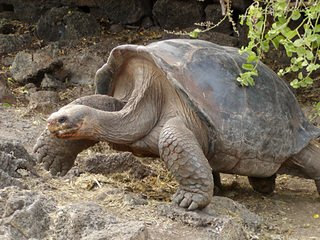
Introduction
The Galapagos Giant Tortoise is the largest tortoise species on Earth. These remarkable reptiles can weigh over 400 kilograms and live more than 100 years. They are found only on the Galapagos Islands of Ecuador. Their name gave the archipelago its name, as “galápago” means tortoise in Spanish.
These gentle giants played a crucial role in Darwin’s theory of evolution. Different island populations developed distinct shell shapes. This variation helped Darwin understand how species adapt to their environments. Today, they remain icons of conservation success worldwide.
Taxonomy
Galapagos Giant Tortoises belong to the family Testudinidae, the land tortoises. They are part of the genus Chelonoidis, which includes South American tortoises. Scientists once classified different island populations as subspecies. Many now consider them separate species, with about 15 recognized.
They are closely related to the African Spurred Tortoise and other large tortoises. Genetic studies reveal complex relationships between island populations. Galapagos Giant Tortoise taxonomy continues to evolve with new research.
Physical Characteristics
These enormous reptiles have domed shells made of bone covered by keratin plates. Shell shape varies by island of origin. Some populations have saddleback shells with raised fronts, allowing them to reach higher vegetation. Others have domed shells suited for grazing on lower plants.
Their thick, elephant-like legs support their massive weight. They have small eyes and a beak-like mouth for cropping vegetation. Males are larger than females and have longer tails. Their slow metabolism allows them to survive months without food or water during droughts.
Shell length can exceed 1.5 meters in the largest individuals. The saddleback shape is an adaptation for reaching higher vegetation on arid islands. Domed shells are more common on islands with abundant ground vegetation. These morphological differences inspired Darwin’s observations.
Habitat
Galapagos Giant Tortoises inhabit several islands in the Galapagos archipelago. Each island has distinct habitats, from arid lowlands to humid highlands. They migrate seasonally between different elevations. Marine Iguana shares these unique island ecosystems.
Historically, they were found on most Galapagos islands. Human activities and introduced species eliminated some populations. Today, conservation efforts have restored tortoises to several islands. They prefer areas with available vegetation and water sources.
Diet
These herbivores consume a variety of plant matter. Grasses, leaves, fruits, and cacti form the bulk of their diet. They use their beak to tear vegetation efficiently. Prickly pear cactus provides both food and moisture during dry periods.
Galapagos Giant Tortoises can survive up to a year without drinking water. They obtain most moisture from their food. When water is available, they drink copiously. Their slow digestion extracts maximum nutrients from fibrous plant material. Green Sea Turtle populations face different dietary challenges.
Reproduction
Breeding occurs during the hot season, typically January to May. Males compete for females through vocalizations and neck wrestling. The winner mates with receptive females. Females migrate to nesting areas in arid zones.
They dig holes in sandy soil and lay 2 to 16 eggs. The temperature during incubation determines the sex of hatchlings. Warmer temperatures produce more females. Eggs hatch after 4 to 8 months. Hatchlings are tiny, weighing only about 50 grams. They face many predators, including introduced rats and birds.
Conservation
Galapagos Giant Tortoises nearly faced extinction in the 20th century. Whalers and pirates harvested them for food during voyages. Introduced goats destroyed habitat on several islands. Rats preyed on eggs and hatchlings. Conservation efforts since the 1960s have recovered populations significantly.
Captive breeding programs have successfully restored several populations. Eradication of goats and rats from some islands helped enormously. The Giant Panda conservation success shares similar dedicated protection strategies. Continued monitoring ensures their survival.
Fun Facts
The most famous Galapagos Giant Tortoise was Lonesome George. He was the last of his species from Pinta Island. Despite extensive searches, no mate was found for him. He died in 2012, marking the extinction of his lineage. His preserved body is displayed in the Galapagos research station.
These tortoises can live over 150 years in captivity. They spend up to 16 hours a day resting. Their slow metabolism enables their extreme longevity. They have survived on the islands for millions of years since their ancestors floated from South America on vegetation rafts.
Galapagos Giant Tortoises can go without food or water for up to a year. Pirates and whalers once kept them alive on ships as fresh meat during long voyages. Their ability to survive such conditions made them valuable to sailors. Today, they are protected and cherished as natural treasures.