 By Iris
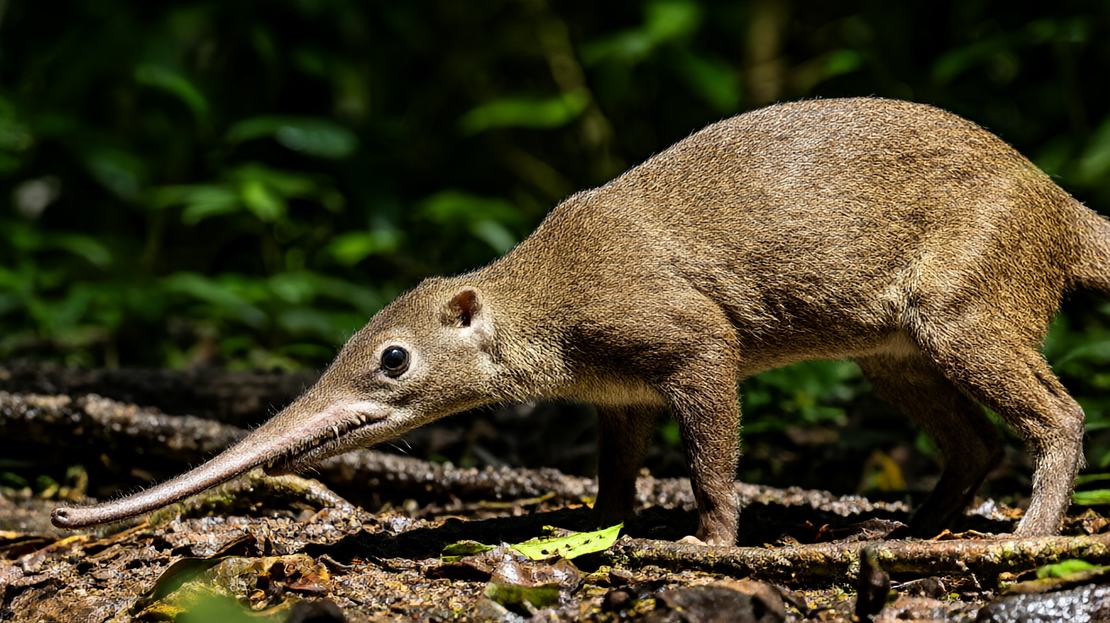
Eupleres goudotii | Falanouc
Species Profile · Eupleridae
Falanouc
A small animal walks an earthworm trail at dusk.
Vulnerable
Weight
Body
Teeth
Litter
Diet
Rating
The Falanouc
A carnivore that eats worms
A small falanouc walks an earthworm trail at dusk. Its snout runs long and narrow, and the teeth look almost too small. Most hunters carry blade teeth, yet this one feeds on worms.
Nothing about it looks built to kill. Few people have seen one, and the jungle keeps its secrets. A falanouc looks like a mongoose crossed with a fox, and it belongs to neither group, since Madagascar gave its hunters a strange shape.
Family tree
Eupleridae, Madagascar’s own
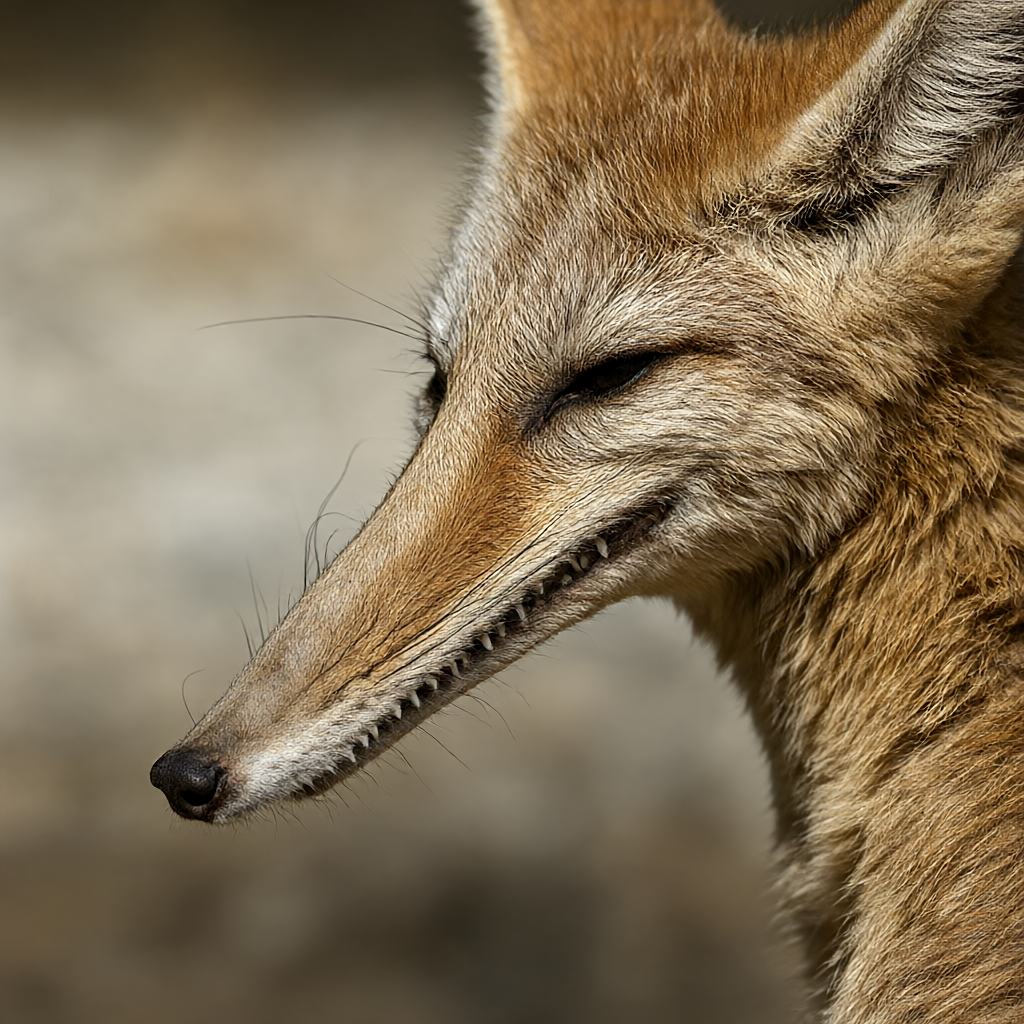
Eupleres goudotii sits with the euplerids, the hunters of Madagascar. The family arrived on the island long ago, and it then split into several odd forms. Its teeth point backward and stay small, which suits a diet of soft food.
Two subspecies are named, though some workers treat them as separate species. Goudotii honours a French collector, since he sent the first specimen to Europe. A second species lives in the west, and the two stay apart.
Long snout, small teeth
How to tell one
Adults weigh 2.5 to 4.5 kg. Body length runs 45 to 65 cm, and the tail adds another 25. Fur stays grey brown, and the guard hairs carry a fine banding. Its claws stay long, and they work like a rake through leaf litter.
Its snout moves constantly, since smell finds worms below the surface. A long tail carries fat at the base, and the stores see it through lean weeks. The eyes sit forward, though they look smaller than a carnivore’s should.
1
2
3
Wet forest floor
Where it lives
Dense lowland rainforest holds the species in eastern Madagascar. Wet ground matters most, because earthworms stay near the surface there. Its range has shrunk to fragments, and roads divide what remains, which leaves each population cut off from the next. Regrown forest suits it too, though numbers run lower.
Because it needs cover, logging removes habitat fast. Marshes hold the highest densities. One neighbour, the Mountain Hare, keeps to open ground and relies on speed rather than cover.
Earthworms, insects
What it eats
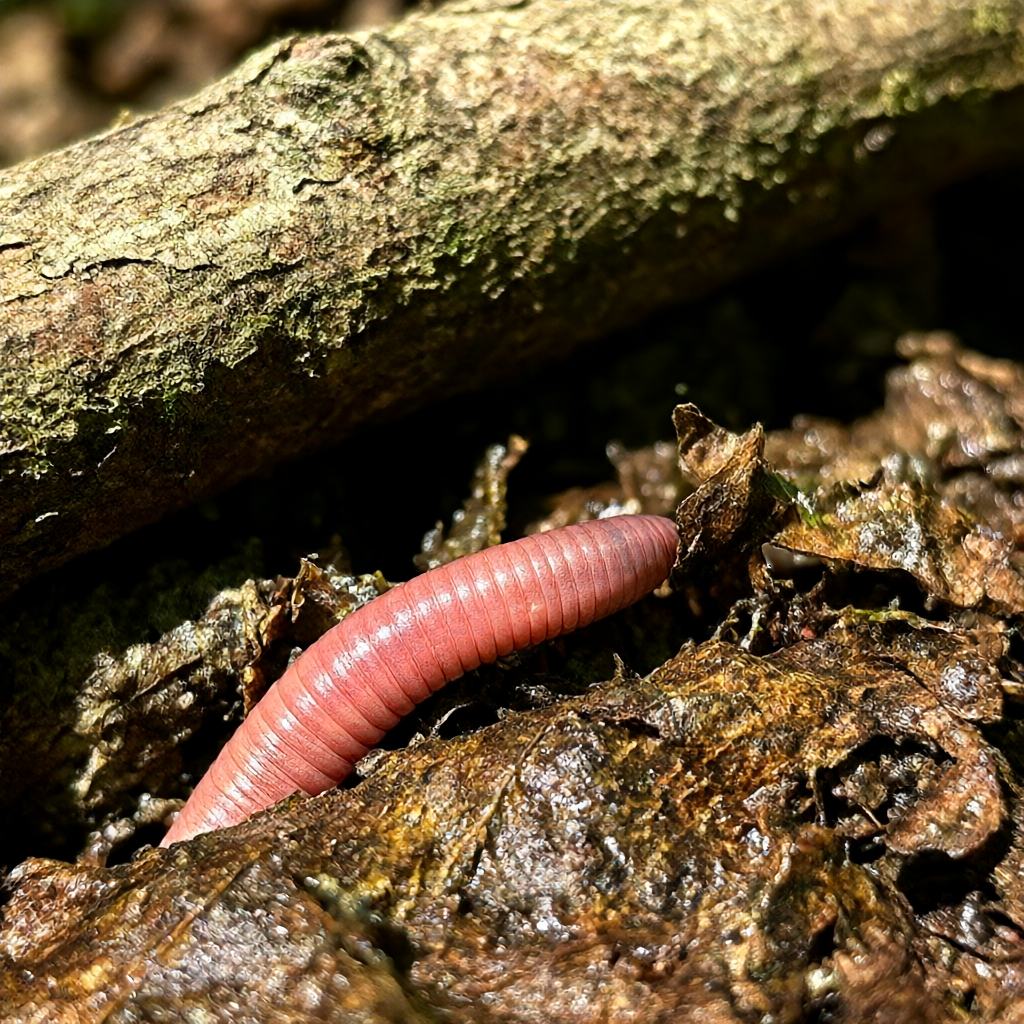
Earthworms form almost the whole diet. Insects and small prey fill the rest. Because it cannot crush shell or bone, it takes only soft prey.
The snout pushes through litter, and the claws lift leaves aside. Feeding takes hours each night, since worms stay thin and scattered, and it must cover ground to find enough. Nothing gets cached, because it eats what it catches at once.
One young a year
The breeding cycle
One young arrives each year. The baby stays hidden in a den, and the mother visits to nurse it. Because the young cannot follow at first, the den sits close to food.
Weaning takes about two months, and the young then disperses. Pairing stays brief, though the two sexes hold overlapping ranges. Breeding peaks in the wet season, when worms stay plentiful.
Forest fragments
Conservation
The Red List calls the species Vulnerable. Deforestation drives the decline, since it needs continuous cover, and the cleared ground loses its worms within a season. Its range keeps shrinking, and hunting adds pressure near settlements.
Dogs carry disease into fragments, though the losses go unseen. Because the species hides so well, surveys give poor estimates. Reserves protect some numbers, yet the largest forest blocks remain open to logging.
Side by side
How It Compares
| Trait | Falanouc | Fossa |
|---|---|---|
| Family | Eupleridae | Eupleridae |
| Body | 45-65 cm | 70-80 cm |
| Weight | 2.5-4.5 kg | 7-12 kg |
| Teeth | small, backward | sharp carnassials |
| Diet | earthworms | lemurs and small prey |
| Rating | Vulnerable | Vulnerable |
Common misreadings
What People Get Wrong
- Not a mongoose. The family lives only on Madagascar. Euplerids reached the island on a single rafting event long ago, and because the group then met no other carnivores it split into forms found nowhere else.
- Not a fox either. The long snout belongs to a worm eater. Teeth stay small and point backward, which suits soft prey and would fail against anything that fights back.
- Not a rare animal because it is shy. Forest loss drives the decline. Wet lowland forest holds almost every record, so drainage and clearing remove the worms before they remove the animal.
Going further
Sources and Further Reading
Quick hits
Five things to remember
- The teeth look like nothing a carnivore should carry.
- Its claws rake through leaf litter, and the snout clears the rest.
- A single falanouc can eat a large share of its own weight in worms when rain brings them up.
- Early naturalists may once have taken it for a small fox.
- It makes faint sounds, and it marks territory with scent instead of calls.
[…] 23 kilograms, with males significantly larger than females. Unlike the more familiar pattern of the Bengal tiger, clouded leopard markings are uniquely adapted for camouflage in the dappled light of the forest […]
[…] able to tackle large ungulates cooperatively. They often compete with and occasionally displace Bengal Tiger and leopards, sometimes driving bigger cats off kills. Packs use incredible stamina to chase prey […]
[…] wetlands to agriculture has severely fragmented its range, pushing it into closer contact with the Bengal tiger and other wetland predators such as the saltwater […]