 By st20113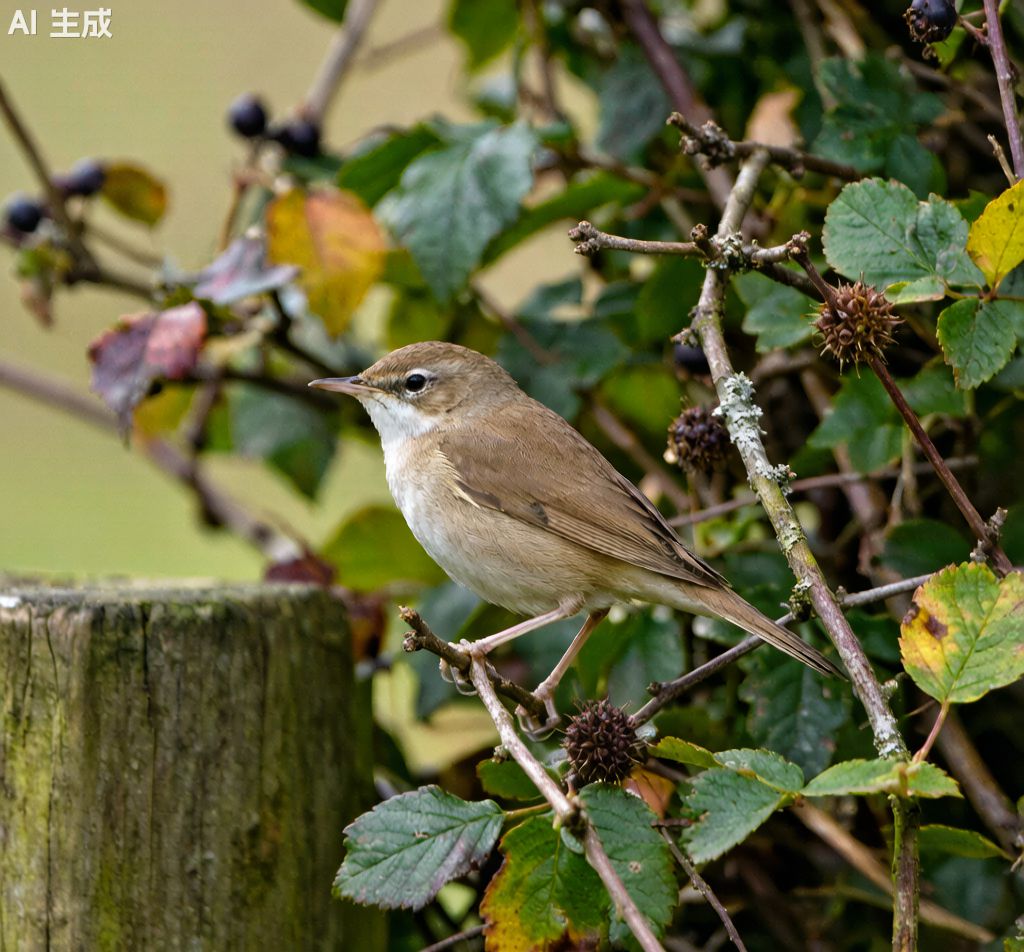
Introduction
The Whitethroat (Sylvia communis) is a medium-sized songbird breeding across Europe and temperate Asia. This distinctive warbler is known for its energetic song flight and bold, inquisitive behavior. The species migrates to Africa for the winter, undertaking remarkable journeys across the Sahara. The whitethroat is a characteristic bird of scrubland, hedgerows, and young plantations across its breeding range.
Taxonomy
Sylvia communis belongs to the family Sylviidae within the order Passeriformes. The genus Sylvia contains approximately 30 species of typical warblers distributed across Europe, Asia, and Africa. The whitethroat is closely related to several other Sylvia warblers that share similar scrubland habitats. Genetic studies have clarified relationships within this diverse genus.
Physical Characteristics
Adult whitethroats measure 13 to 15 centimeters in length with a wingspan of 20 to 23 centimeters. Males have grey heads and white throats, with reddish-brown wings and pinkish-buff breast. Females are duller with brownish heads. The species is distinguished by its relatively long, graduated tail with white outer feathers visible in flight. The dunnock shares some habitats but has different coloration and behavior.
Habitat
Whitethroats breed in a variety of scrubland habitats including hedgerows, young plantations, heathland with scattered bushes, and coastal scrub. The species requires dense, thorny vegetation for nesting and singing perches. Migratory habitat includes wetlands and gardens along migration routes. The common blackbird also inhabits hedgerows but occupies a different ecological niche.
Diet
The whitethroat’s diet consists primarily of insects and other invertebrates during the breeding season, including beetles, caterpillars, and flies. In late summer and during migration, the species adds berries and fruits to its diet. Foraging occurs in dense vegetation and occasionally in the open, where the bird can be seen gleaning insects from leaves and stems. The species feeds insects to nestlings throughout the breeding period.
Reproduction
Males arrive on breeding territories before females and establish song posts in prominent bushes. The cup-shaped nest is built by both sexes in dense vegetation close to the ground. Clutches of three to six eggs are incubated by the female for about 11 to 13 days. Both parents feed the nestlings, which fledge after 10 to 14 days. The common cuckoo may parasitize whitethroat nests.
Conservation
Whitethroat populations have shown historical fluctuations related to drought conditions in African wintering areas. Overall, the species is not considered globally threatened, though local declines have occurred due to habitat loss. Conservation of hedgerows and scrubland habitats benefits this and many other farmland bird species. The species is protected under European bird conservation legislation.
Fun Facts
The whitethroat’s song is a distinctive, scratchy warble often delivered from a prominent song post or during an undulating song flight. The species was once a common sight in British gardens and farmland before population declines. Migrating whitethroats can cross the Sahara Desert non-stop during their autumn migration. The common swift shares the whitethroat’s migratory routes to Africa. Whitethroat populations show remarkable annual fluctuations linked to conditions in sub-Saharan Africa where the species winters. Research using lightweight geolocators has revealed migration routes and wintering grounds of individual birds. The species benefits from conservation of hedgerow habitats and the maintenance of scrubland areas in agricultural landscapes. Agricultural intensification including pesticide use and hedgerow removal has reduced food availability for whitethroats and other farmland birds. Bird monitoring programs across Europe provide valuable data on population trends and inform conservation priorities. The species’ energetic song flight is a distinctive feature of summer in European countryside. Whitethroat song diversity has been extensively studied, with individual males developing unique song repertoires incorporating imitations of other species. The species’ migration routes through the Mediterranean have been documented using ringing programs and geolocator technology. Climate change may affect the timing of migration and breeding, potentially creating mismatches with peak food availability. The species has declined in Britain following drought conditions in African wintering areas. Conservation of traditional farmland with hedgerows and scrub remains the primary conservation strategy effectively.
[…] contextual comparison, the Greater Whitethroat shares scrub habitats with the Common Whitethroat (Sylvia communis), though the two species can be distinguished by their plumage, with the male Greater Whitethroat […]