 By st20113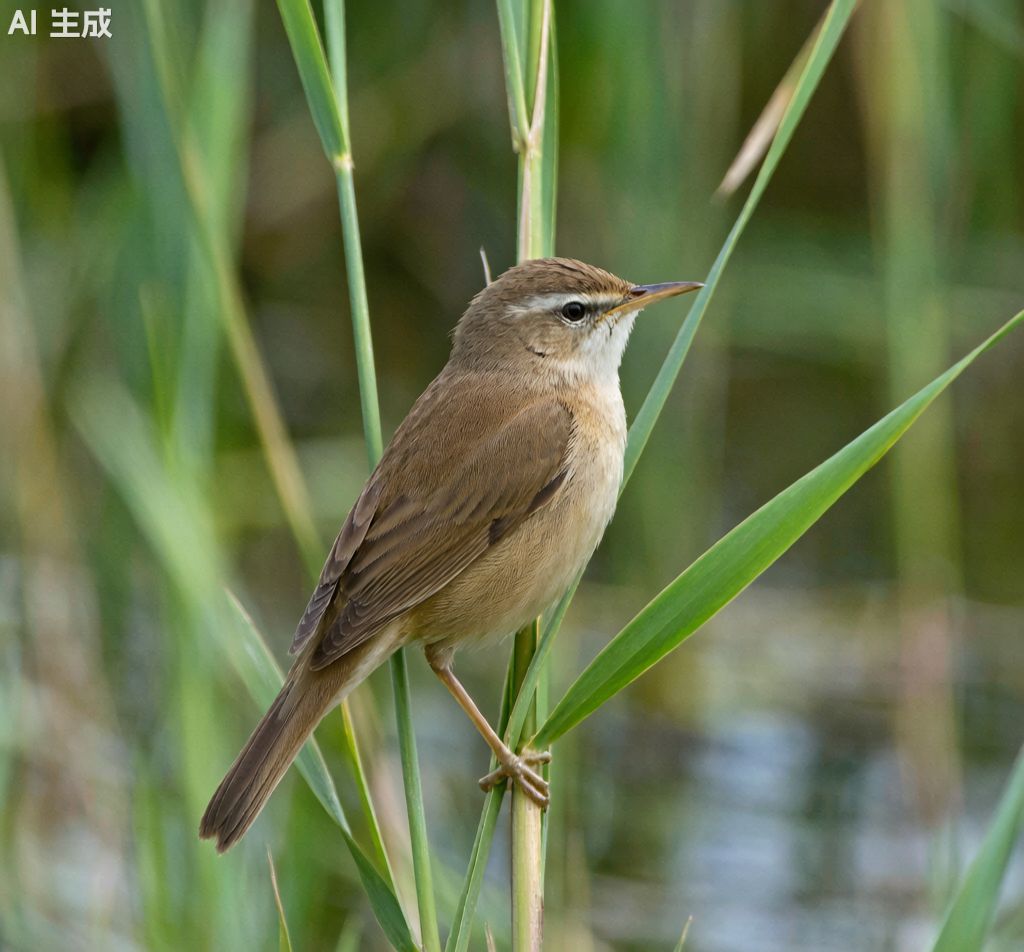
Introduction
The Sedge Warbler (Acrocephalus schoenobaenus) is a small, migratory songbird breeding in wetlands across Europe and Asia. This active little warbler is renowned for its complex, improvisational song delivered from reeds and scrub. The sedge warbler is one of the most abundant wetland birds in Europe, though its populations fluctuate annually depending on breeding success and overwinter survival.
Taxonomy
Acrocephalus schoenobaenus belongs to the family Acrocephalidae, the reed and bush warblers. The genus Acrocephalus contains approximately 50 species found across Europe, Asia, and Africa. The sedge warbler forms a superspecies with the closely related aquatic warbler. Genetic studies have clarified relationships within this genus of wetland specialists.
Physical Characteristics
Sedge warblers are small birds measuring 11 to 13 centimeters in length. They have a distinctive pale stripe above the eye and a dark cap, giving a contrastingly marked face. The upperparts are brown with darker streaks, while the underparts are pale with buff flanks. The species lacks the uniformly warm plumage of the similar Swinhoe’s whitethroat. Males and females appear similar.
Habitat
This species breeds in wetlands with dense vegetation including reedbeds, marshes, willow scrub, and overgrown ditches. The sedge warbler requires tall emergent vegetation for singing and nesting. During migration, the species uses a wider range of habitats including coastal scrub and gardens. The reed bunting shares similar wetland habitats with the sedge warbler.
Diet
Sedge warblers feed on insects and other small invertebrates including beetles, flies, moths, and spiders. Foraging occurs by actively searching through vegetation rather than by hovering. The species gleans prey from leaves, stems, and reed heads with agile movements. During migration, berries and other plant foods supplement the insect diet. Both parents feed nestlings on a diet of small caterpillars and insects.
Reproduction
Males arrive on breeding territories before females and establish song posts in prominent vegetation. The nest is a deep cup built by the female among dense reeds or scrub, usually less than a meter above water or ground. Clutches of four to five eggs are incubated for 13 to 15 days. Both parents feed the nestlings, which fledge after 10 to 12 days. The marsh harrier preys on sedge warbler nests.
Conservation
The sedge warbler is not considered globally threatened, with a large population estimated at millions of individuals. However, the species has shown population declines in parts of western Europe due to wetland drainage and habitat degradation. Conservation of wet grassland and wetland habitats benefits this species. The species’ populations fluctuate dramatically between years based on conditions in African wintering areas.
Fun Facts
Individual sedge warblers can incorporate sounds from their environment into their songs, including the calls of other birds. The species’ song is remarkably variable, with each male having a unique repertoire of phrases. Sedge warblers can live up to eight years, though most individuals survive only one or two breeding seasons. The Eurasian spoonbill shares the same reedbed habitats during the breeding season. Sedge warbler research has provided important insights into avian migration and vocal learning. Individual males incorporate sounds from their environment into their songs, including imitations of other bird species. Population trends vary across Europe, with declines in western areas but stable or increasing populations in eastern Europe where wetland habitats are more extensive. The species uses a wide variety of wetland habitats during migration, including coastal marshes, reedbeds, and riverside vegetation. Conservation of wet grasslands and traditional hay meadows benefits the sedge warbler and many other breeding birds. The species faces threats from drainage and agricultural intensification in both breeding and wintering areas. The sedge warbler’s song is one of the most complex and variable among European songbirds, with each male developing a unique repertoire of phrases. Research has shown that males with more diverse songs tend to attract females more successfully. The species winters in sub-Saharan Africa, with individual birds showing strong site fidelity to both breeding and wintering areas. Wetland drainage and agricultural intensification have reduced habitat quality across much of the breeding range. Bird monitoring schemes across Europe provide long-term data on sedge warbler population trends.
[…] Although outwardly similar to the chiffchaff, the willow warbler is distinguished by its song, its brighter colour, and its habit of building a domed nest on the ground. It is a familiar part of the returning spring, sharing the canopy with other summer visitors such as the Sedge Warbler. […]
[…] the wild woodland and the suburban garden. It shares the summer canopy with relatives such as the Sedge Warbler, though the blackcap is the more robust and less reed-bound of the […]