 By st20113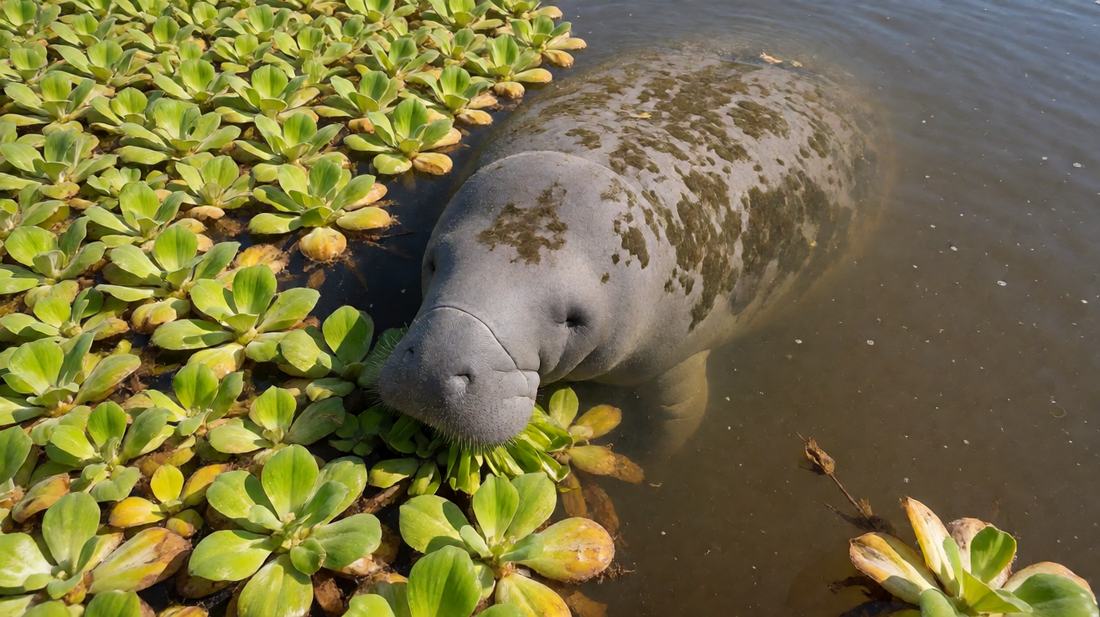
Trichechus inunguis | Amazonian Manatee
Species Profile · Trichechidae
Amazonian Manatee
The smallest manatee and the only one that lives entirely in fresh water, grazing floating meadows in the Amazon basin.
Vulnerable (2016) 2016 assessment
Length
Weight
Young
Skin
Rating
Range
The Amazonian Manatee
The freshwater manatee
This is the smallest of the three manatees. A big adult can top 3 m and 450 kg. Grey skin covers most of the body.
Many carry a white patch on the chest. It lives in fresh water. No other manatee does that.
Since the great river floods and falls each year, the herd moves with it. It swims at its own slow pace. Though this animal once filled most of the great basin, nets and guns have left it in small pockets, and nobody has counted the survivors for years.
Family tree
Trichechidae, the manatees
This one sits in the order Sirenia. That group holds three manatees and one dugong. Johann Natterer took the first skins in Brazil. His account came out in 1883, long after he died.
Its name means without nail. Look at a flipper and the reason is plain. Most manatees grow small nails there. This one grows none.
Its closest kin is the Manatee. Because the two lines split when the great river and the coast became separate worlds, the fresh water form lost its nails and shrank.
3 m of smooth grey
How to tell one
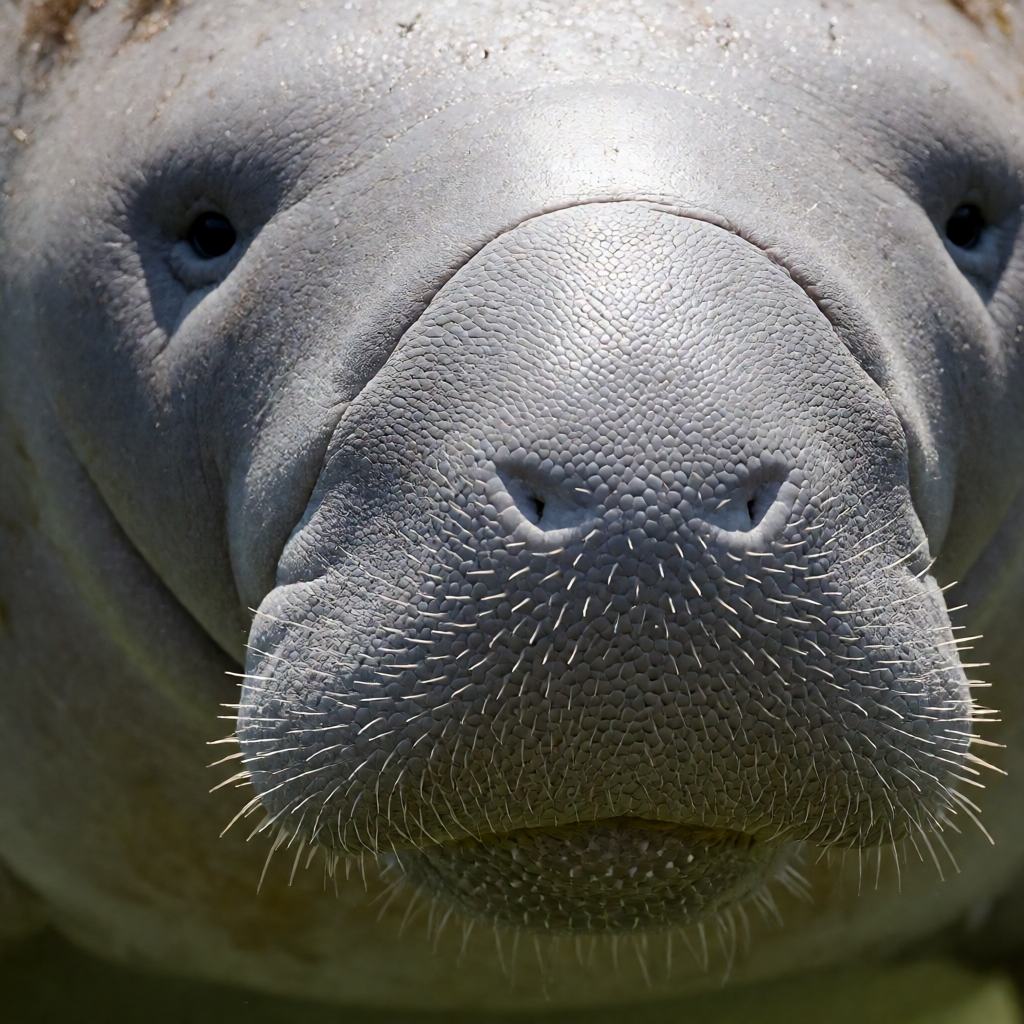
Adults run 2.5 m to 3 m long. Weight tops out near 450 kg. Its skin is smooth and almost bare. Fine bristles ring the snout.
Paddle shaped flippers steer the beast. A broad, round tail does the pushing. The eyes are tiny and the ears smaller. Whiskers find food in muddy water.
Bones are heavy and solid, so the body sinks well. Since the ribs and the whole frame are dense, it holds the same depth instead of bobbing at the top.
1
2
3
Flooded forest and slow rivers
Where it lives
Fresh water is the only home. The great river and the Orinoco both hold herds. Brazil, Peru, Colombia and Ecuador all have records. Flooded forest is the key ground.
When the level climbs, the herd swims among trees. Some roam 30 km in a day. Black water lakes draw them too, since the pools stay warm. In the dry months, though, the level drops fast.
The herd crowds into the deepest cuts. Though it can last months on very little food, the dry spell still caps how many animals one stretch of river holds.
Water plants
What it eats
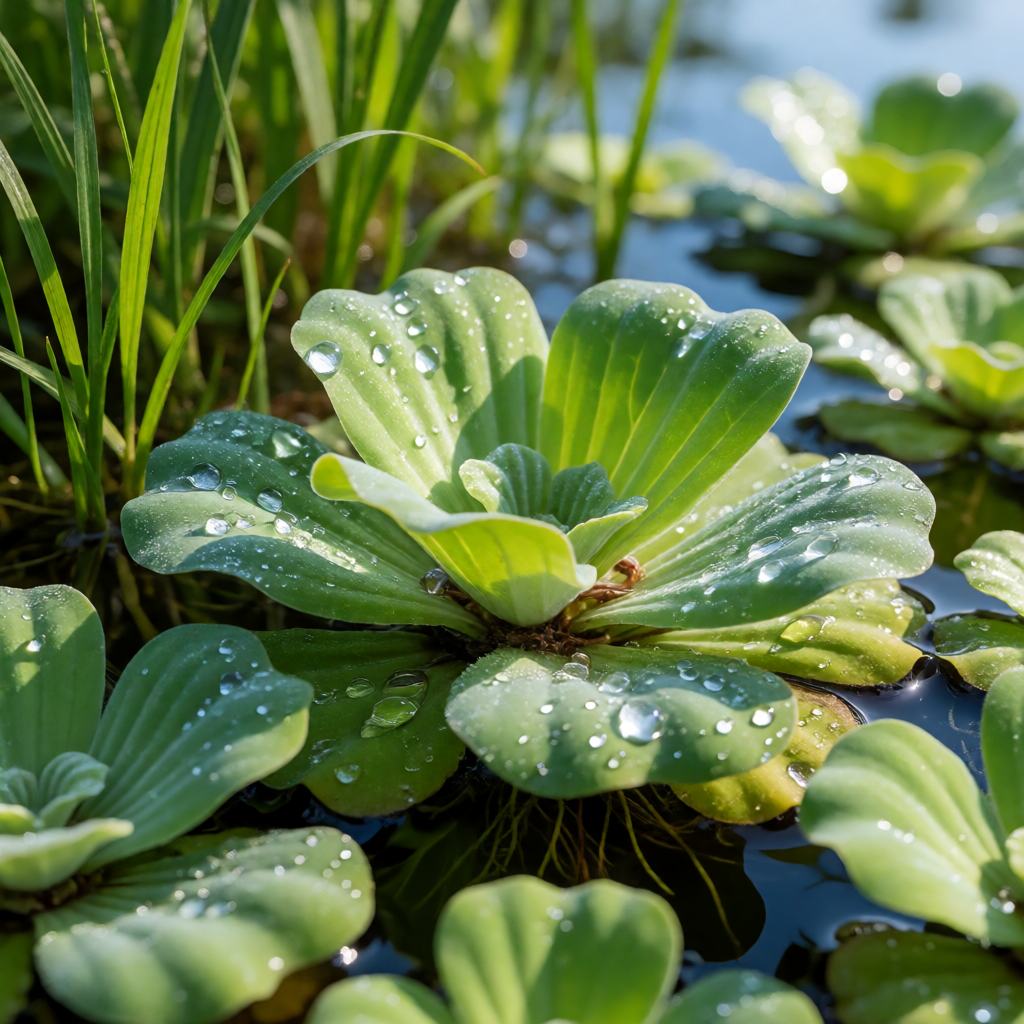
Water plants supply almost all the food. Water hyacinth is a favourite. Grasses and floating mats are grazed from below. It eats up to 8 percent of its weight a day.
Eight hours of feeding, though, is normal. Since plants hold little energy, the beast must eat a great deal. Fat stores carry it through the dry months. Some go months with almost nothing.
They lose a large share of their weight. Since it cannot chew hard stems well, it picks soft, leafy growth, and river weeds that most grazers pass by become its main crop.
One calf every two years
The breeding cycle
A female calves once every 2 years. Pregnancy lasts 12 to 14 months. One calf is the usual result. Twins are rare.
The calf nurses for about a year. It stays close to its mother, while she feeds. Males do not help raise the young. Females mature near 6 years.
Calves are born in shallow water. They take a first breath within minutes.
Vulnerable and falling
Conservation
The IUCN lists this manatee as Vulnerable. A 2016 check put the total at 8,000 to 30,000 adults. Numbers keep falling. Guns and nets drove the first crash.
Nets drown animals that rise to breathe. Dams split herds apart. Mercury from gold mines enters the food chain. Parks cover parts of the range, though patrols are thin.
Hunting has been banned since the 1970s, yet the trade goes on. Since manatees breed so slowly and a river offers no cover from a boat, a comeback depends on patrols that rarely reach the far channels.
Side by side
How It Compares
| Trait | Amazonian Manatee | West Indian Manatee |
|---|---|---|
| Length | 3 m | 4 m |
| Weight | 450 kg | up to 1,200 kg |
| Water | fresh water only | rivers, estuaries and sea |
| Flipper nails | none | 3 or 4 |
| Range | the Amazon basin | Florida to Brazil |
| IUCN status | Vulnerable | Vulnerable |
Common misreadings
What People Get Wrong
- Manatees are a kind of seal. They are closer to elephants.
- Amazonian manatees eat fish. They live on water plants.
- The animal has no teeth. Rows of molars keep replacing themselves.
Going further
Sources and Further Reading
- IUCN Red List entry for Trichechus inunguis
- Wikipedia, Amazonian manatee
- Husar, S. L. 1978. Trichechus inunguis. Mammalian Species, American Society of Mammalogists.
- IUCN SSC Sirenia Specialist Group. Manatee and dugong status reports.
Quick hits
Five things to remember
- Only this manatee lives purely in fresh water.
- Its flippers carry no nails at all.
- Calves stay with their mother for about a year.
- It can fast for months in the dry season.
- Heavy bones help it hold one depth.