 By Iris
The Gupta Empire | India’s Golden Age
Historical Profile · Northern India
The Gupta Empire | India’s Golden Age
A small kingdom on the Ganges plain that grew into an age of art, numbers and writing, remembered as the golden age of India.
c. AD 320-550
The empire
Its start
Samudragupta
Chandragupta II
Remembered as
The big picture
Introduction
A line of kings ruled much of northern India from about AD 320 to 550. They began as a small kingdom on the plain of the Ganges, and in time they grew into the greatest power of their age. Under them the arts, the sciences and the letters of the country reached a high point. In fact, later ages called those years the golden age of India.
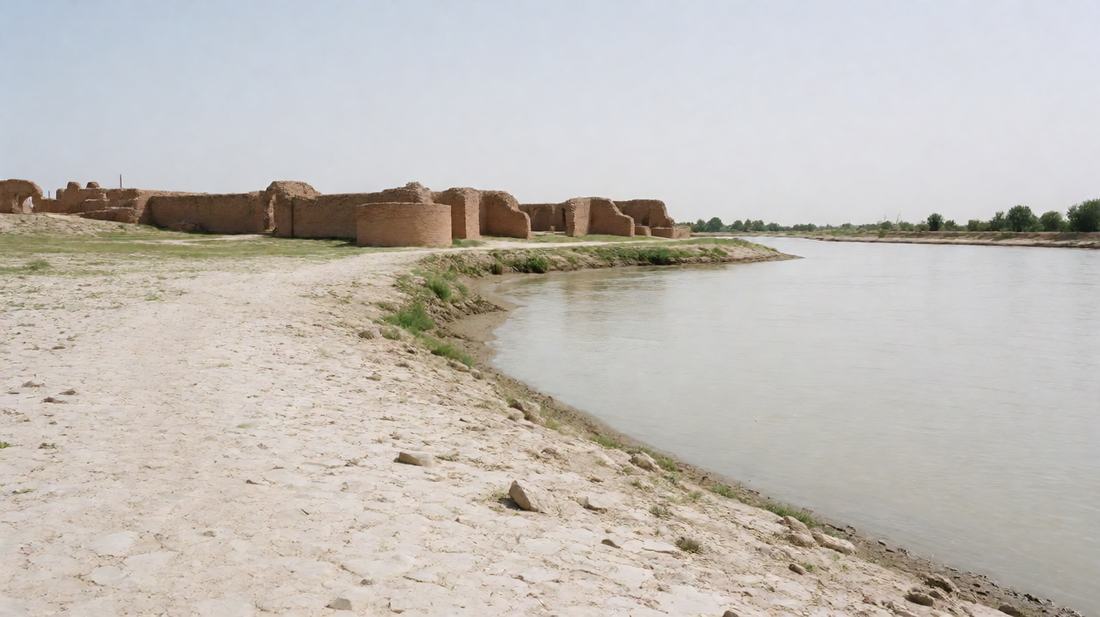
The empire was never as large as the Maurya state that came before it, yet its mark on Indian thought ran deeper. Its heartland lay on the plain of the Ganges. That plain stood east of the old cities of The Indus Valley Civilisation. Wealth came from the river land, and the towns along it grew busy.
Scholars and craftsmen found work at the court, moreover. Thus the age left a name that later centuries kept.
Setting
Historical Context
Northern India in the 300s was a patchwork of small states. A Maurya empire had broken up five centuries before. No single power had taken its place, however. Kings and chiefs ruled the river plain, while armed bands watched the roads between them. Trade went on, but it was slow and costly.
The plain itself was rich, and the Ganges and its branches gave water and good soil. Land could feed a large population. Towns along the rivers were centres of craft and of trade. Roads that crossed the plain linked them with the ports of the coast, and in turn the coast grew rich. Old faiths of India were changing, and older forms of worship were giving way to new ones, in effect.
Great temples and the ideas that went with them were taking shape. Kings of the age gave land and money to the priests and the scholars. Thus the whole of religious life was being remade. To the north lay the passes that led to Central Asia, and through them came traders, envoys and, at times, armies. Gupta rulers held the passes and took a share of the trade that came through, and their power rested in part on that income.
Turning points
Key Events
Their empire began with a small kingdom in the east. In about AD 320 a ruler named Chandragupta I took the title of great king. He married into the ruling family of the neighbouring land. Two kingdoms were joined. The new state had room to grow. His son Samudragupta pushed out in every direction. He led his armies across the whole of the northern plain. Kings of the south were beaten and made to pay tribute.
He did not hold their lands, however. Yet he made his own name the greatest in India. His campaigns are recorded on a stone pillar that still stands. Their empire reached its height under Chandragupta II. He ruled for about forty years, and in that time the arts and the sciences reached their height. Court life, moreover, was a centre of writing. Kalidasa, the greatest poet of the age, is said to have worked there. Cave temples of Ajanta were painted in those years, .
Temples of the north took the shape they kept for centuries. Decline came on slowly, in fact. In the 500s a new power rose in the north west. Gupta rulers lost their hold on the passes. Thus their empire broke into smaller states. By about 550 it had gone. Old lands passed into the hands of local kings. The golden age was remembered long after it had ended.
1
2
3
Who held power
People and Powers
A king stood at the head of the state. He was held to be the protector of the faith and the keeper of order, . His rule was praised in the poetry of the court. In practice, however, he ruled with the help of a council of ministers. The empire was divided into provinces under governors. Official posts were drawn from the towns. They kept the records of land and of revenue.
They ran the courts and the customs posts. Taxes came in grain and in coin. Officers of the revenue, indeed, were among the most powerful men of the age. Temples and scholars held great influence, and kings gave them land. Gifts were written down on stone and on copper plates that have survived. Priests and teachers ran schools and libraries, in effect. Thus the whole of learning was in their hands.
Below the court stood the mass of the people. Farmers worked the land, and craftsmen worked the towns. Traders moved goods along the rivers and the roads. Old order of rank was fixed by birth. Law and custom held each group in its place.
Everyday world
Daily Life and Society
Most people were farmers. They worked the wet fields of the plain, and their labour fed the towns and paid for the works of the state. Villages kept their own headman and their own council. Much of daily life, in fact, went on without the state at all.
Towns, moreover, were busy places. Craftsmen worked in cloth, metal, stone and ivory, and traders sent goods across the whole of India. Guilds watched over the markets, and each trade had its own rules and its own officers. Family life, however, was the base of society.
Households held land in common. Older members settled disputes among the young. Marriage tied families together. Great families of the towns held their place through both land and office.
Craft and ideas
Trade, Technology and Ideas
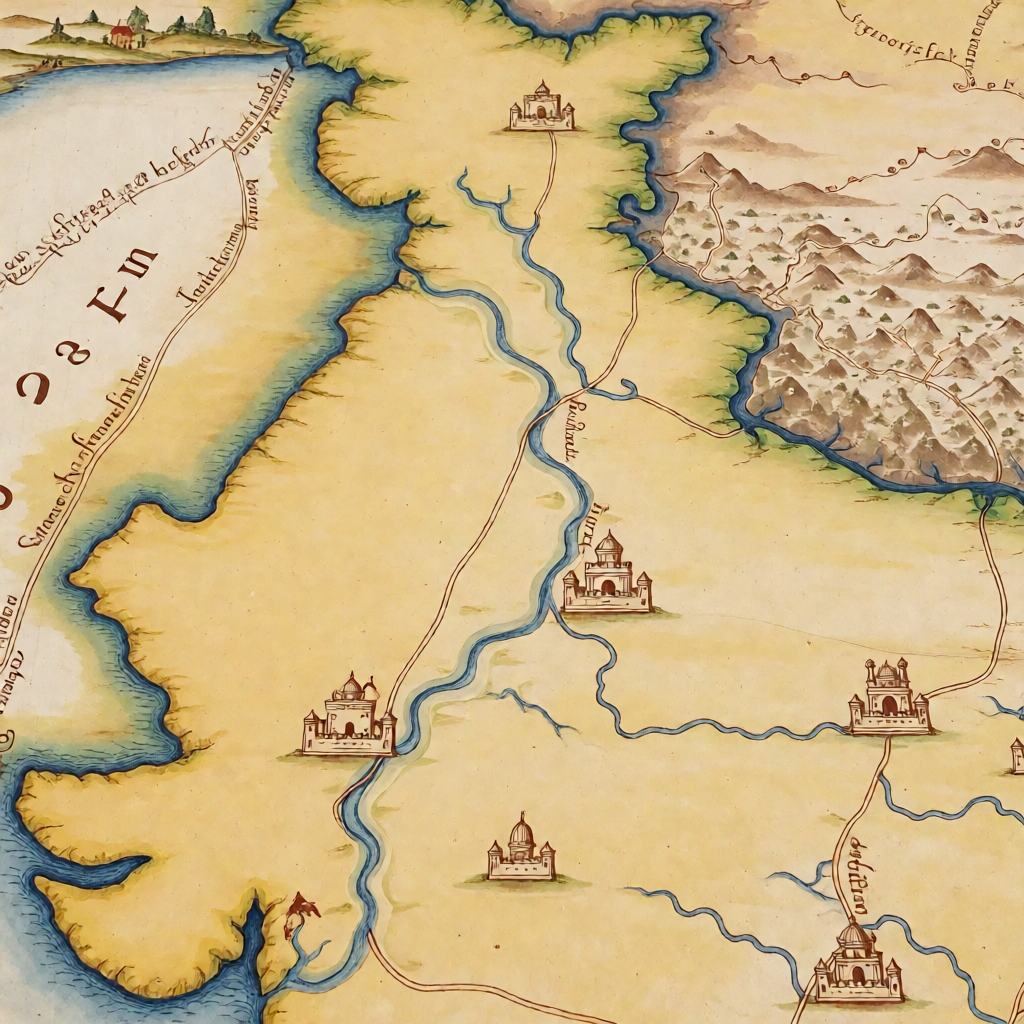
Trade was the base of the wealth of the empire. Goods went down the rivers to the ports of the west coast, . From there fleets reached the Red Sea, Persia and the eastern sea. Cloth, ivory, spices and metal all moved along those roads. In turn ports of the coast grew rich on the traffic.
Sciences reached a high point in those years. Scholars of the age worked out the place of zero in the number system, . Tables of the movement of the stars were among the best of the ancient world. Doctors of the court set down works on medicine that were studied for centuries, indeed. Thus the whole of Indian learning was gathered into books.
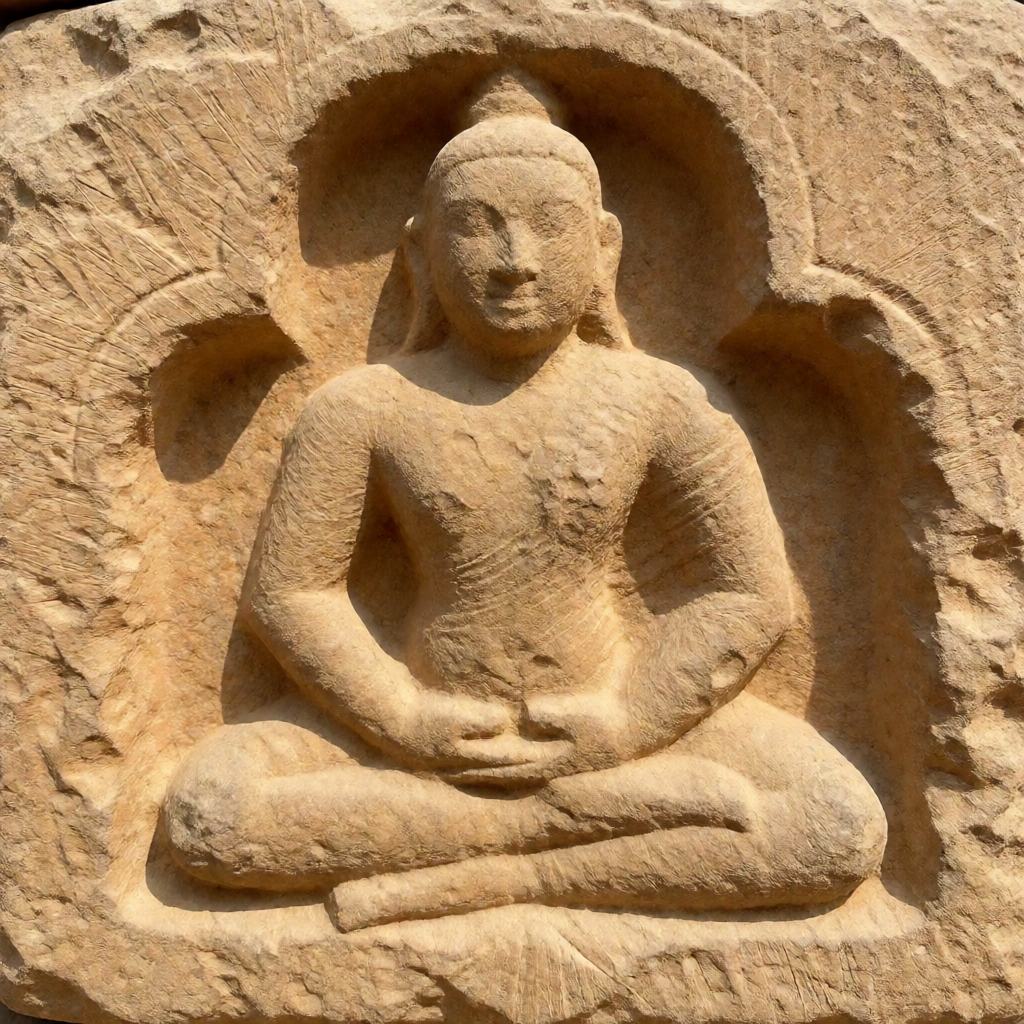
Arts, moreover, reached a high point as well. Temples of the age were built with skill. Their walls were carved with scenes from the old stories, . Painting of the cave temples of Ajanta is among the finest work of the ancient world. Poetry of the court, however, set the standard for the whole of Indian letters.
What lasted
Legacy
Gupta rulers shaped the way India was remembered. Their years in power were held up as the golden age of the country. Later kings, indeed, looked back to them as a model of good government. Their poetry, their science and their art became the base on which later work was built. Faith of the age, however, spread far beyond India.
Teachers and scholars carried their ideas along the trade roads. Lands of Central Asia, of China and of the eastern sea took them up. In turn later empires drew on the same tradition. The Mughal Empire built in stone and marble. Forms of Indian building that reached their height in The Taj Mahal began in the age of the Guptas.
Their empire left few monuments of its own. Its kings built in brick and in timber, and the work of their age has mostly gone. What remains is the record of their thought. So does the memory of a time when the letters and the sciences of India stood at their height.
Side by side
How It Compares
| Point | The Gupta empire | The Mughal empire |
|---|---|---|
| Dates | c. AD 320-550 | 1526-1857 |
| Centre | The Ganges plain | Delhi, Agra and Lahore |
| Faith of its rulers | Hindu | Muslim |
| Noted for | Art, numbers and writing | Building, painting and law |
| Great work | Temples of carved stone | The Taj Mahal |
| Remembered as | The golden age of India | The last great empire |
Common misreadings
What People Get Wrong
- The Gupta state covered all of India. Its power lay on the northern plain.
- Its rulers left great buildings. Most of its fame rests on art, numbers and writing.
- The golden age was peaceful. Wars of conquest filled the early years.
Going further
Sources and Further Reading
- Wikipedia, Gupta Empire
- Encyclopaedia Britannica, Gupta dynasty. Encyclopaedia Britannica, Inc.
- Thapar, R. 2002. The Penguin History of Early India. Penguin.
- Mookerji, R. K. 1989. The Gupta Empire. Motilal Banarsidass.
Quick hits
Five Things to Remember
- The Gupta empire ran from about AD 320 to 550.
- It began as a small kingdom on the plain of the Ganges.
- Samudragupta led his armies across the whole of the northern plain.
- Chandragupta II ruled for about forty years and saw a great age of the arts.
- Later ages called the years of Gupta rule the golden age of India.
[…] stayed there. Craft skills followed, from glass to the design of a silver plate. Cloth from the Gupta Empire reached their Samarkand stores by […]