 By Iris
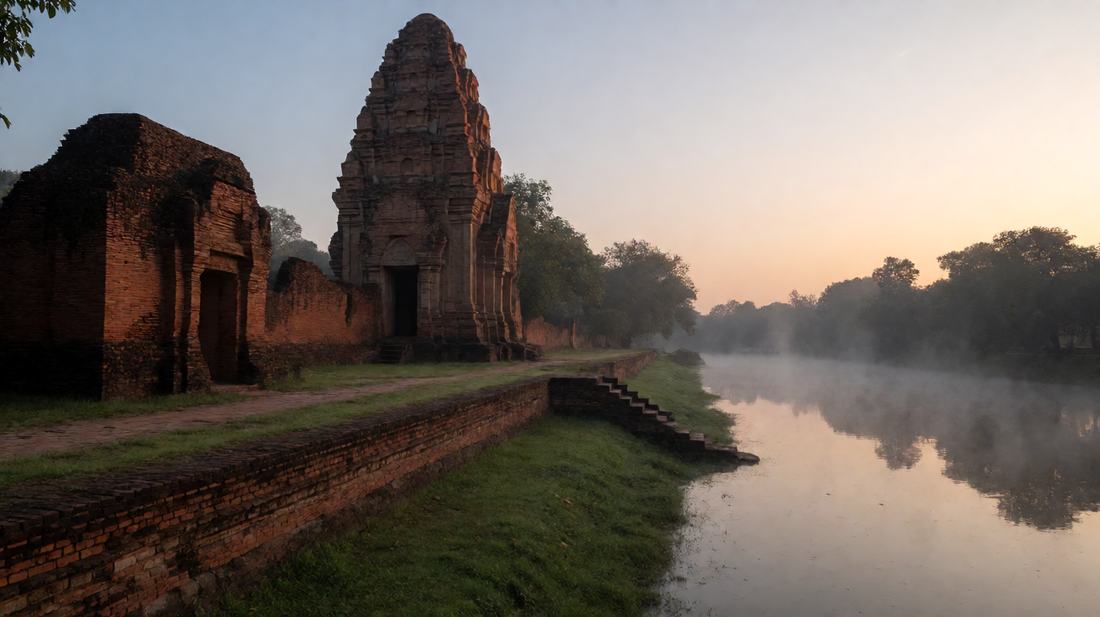
Ayutthaya | The Capital of Siam
Historical Profile · Siam
Ayutthaya | The Capital of Siam
A river island that became one of the largest cities on earth, and then a field of brick stubs.
AD 1351-1767
Founded
Years as capital
People
Trade
End
The big picture
Introduction
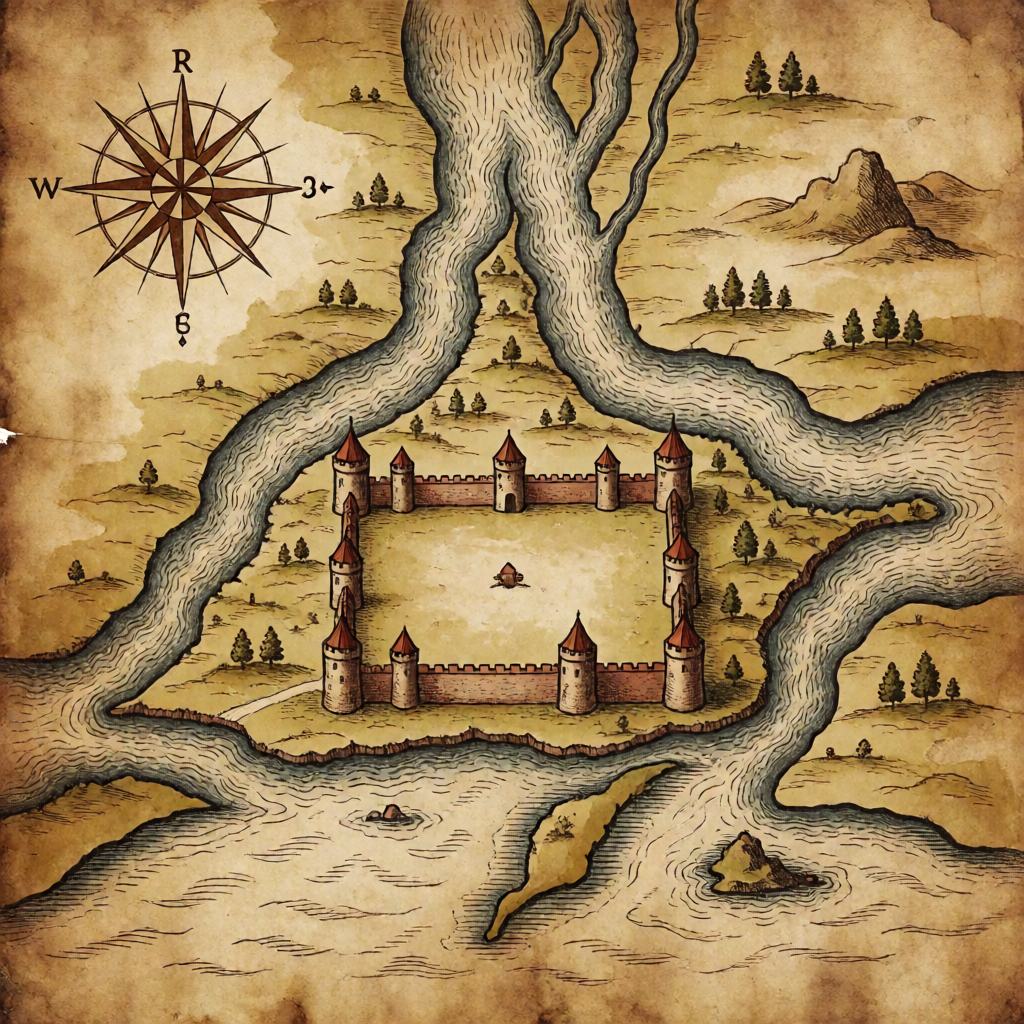
Ayutthaya stood on an island made by three rivers, and it was the capital of Siam for 416 years. A prince founded it in 1351, and he chose the site for trade rather than for defence. Boats reached the sea in a day, and boats reached the northern towns in a week. Position made the city rich, and wealth made it a target. By 1700 perhaps a million people lived in and around it.
Foreigners kept quarters there, and each quarter ran its own affairs. Chinese, Japanese, Persians, Portuguese, Dutch and French all traded in one market. Kings built temples, and temples carried the tallest towers in the land. Brick towers still stand, and they lean where the ground sank. Then a Burmese army burned the city in 1767, and the court moved south.
Bangkok rose where the court landed. Ayutthaya became a ruin in a field. UNESCO listed the ruins in 1991. What survives is brick, laterite and a plan of streets and canals. That plan, however, tells a clear story about how the city worked.
Setting
Historical Context
Its plain is flat, wet and good for grain. Kingdoms had risen there before, and each had fought the Khmer court to the east, so the plain had a long habit of war. Ayutthaya grew, therefore, as that empire weakened. Its kings took Khmer ritual as their own, and they took its titles too. A king was both a war leader and a defender of the faith.
Because the state sat on a river junction, it could tax every boat that passed. That tax, in turn, paid for walls, temples and a standing force. Early kings expanded west and north, and they took the old capital at Sukhothai. Wars with Burma ran for centuries, and each side raided the other’s towns. Siam also fought the Khmer, and it fought the states of the north as well.
So the kingdom was built on grain, on trade and on war. Its law code borrowed from Indian models, and its court borrowed from China. Law and ritual were, in fact, the same instrument. A ruler who broke custom lost the men who fed him.
Turning points
Key Events
Ramathibodi I founded the city in 1351 and gave it a law code. By 1400, however, it controlled the lower plain and the coast. In 1431 a Siamese army took Angkor, and the Khmer court moved east. In 1569 the Burmese took Ayutthaya and carried off the royal family. Court and king returned within a generation and rebuilt the walls.
In 1688 a revolt at court ended French influence, and the kingdom turned inward. Trade went on, but the foreigners lost their footing. Then Burma marched again, and this time the siege ran for 14 months. In 1767 the walls fell, and the city burned for days. Nothing, indeed, was spared.
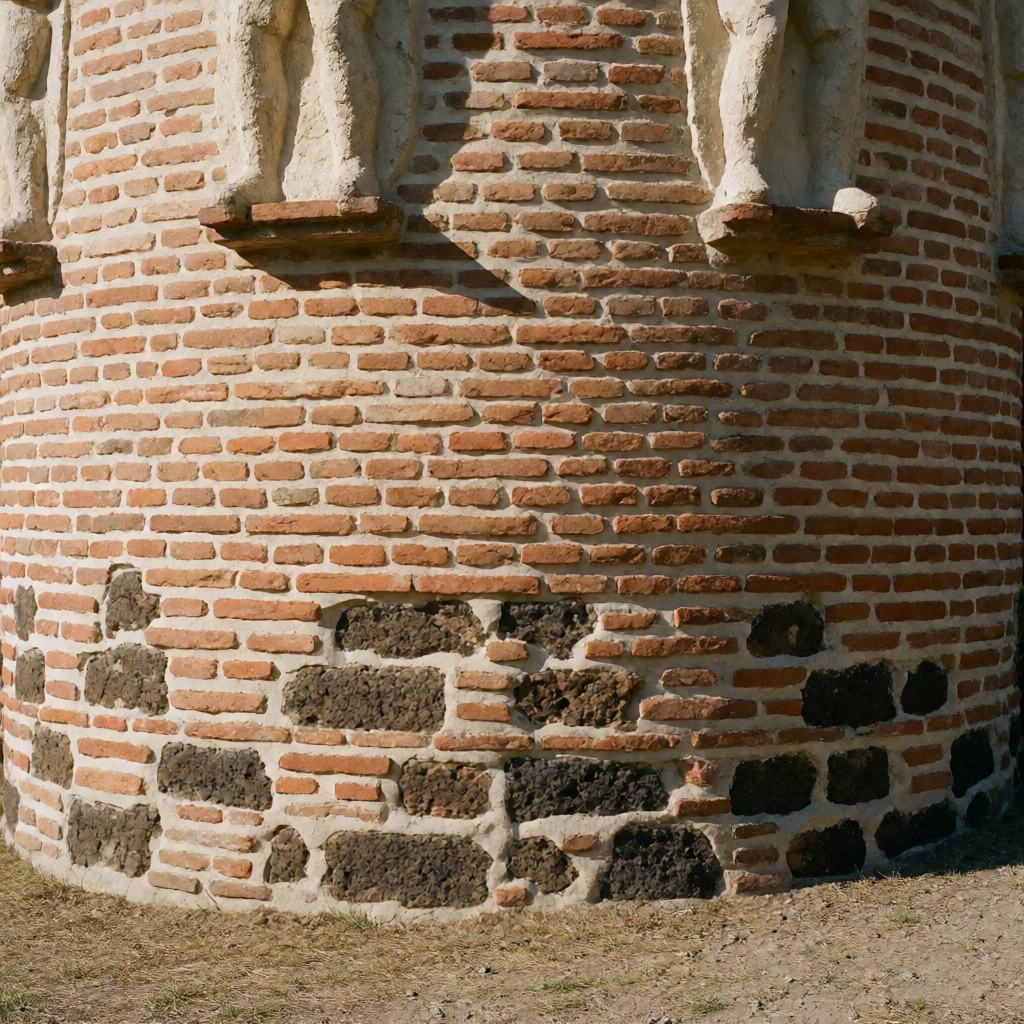
Court and army fled south and founded a new capital at Thonburi, then at Bangkok, and the old city lost its rank for good. Nobody rebuilt Ayutthaya as a capital. Farmers moved back, and the ruins became part of the fields. Brick stubs stood in the wet ground for two centuries, and nobody cleared them. That neglect saved them, since no one carted the stone away.
1
2
3
Who held power
People and Powers
At the centre stood the king, and his title claimed a link to the gods and a duty to the law. Below him stood princes of the blood, and below them the ministers of the four pillars. A council of nobles ran the army and the treasury. Governors held the provinces, and they kept a share of what they raised. Because the crown controlled trade, it controlled the men who grew rich on it.
Foreign merchants were welcome, and they were, of course, watched. Clerks kept a register of every adult male, since labour and war both needed names. Commoners owed six months of service a year, and nobles owed fewer days. Slaves stood at the bottom, and a debt could put a family there. Monks held land and ran schools, and a boy could, in effect, rise through the temple.
Women ran markets and held property, and some ran trading houses. Power rested on grain, on boats and on the register of names. Names were power.
Everyday world
Daily Life and Society
The city was built on water, and boats were the ordinary way to move. Water was the road. Canals served as streets, and a floating market served as a square. Houses stood on posts above the water, with a step down to a boat and a walkway to the next house. Families ate grain, salted paste and greens.
A kitchen sat on a raft, and a cook sold food from it. Most households kept a spirit house outside the door. Work followed the flood, since the plain floods every autumn. Fields gave one harvest a year, and the surplus, therefore, went abroad. Temples ran schools for boys, and the lessons were chants.
Festivals filled the calendar, and each one, moreover, had a boat race. Fire was constant. Houses were wood and woven matting. Each fire was rebuilt, and each rebuilding made the city denser.
Craft and ideas
Trade, Technology and Ideas
Ayutthaya sold what the plain could grow and what the wooded hills could give. Grain went out, and so did timber, hides and dried goods. Silver and copper came in, and so did cloth and firearms. The crown held a monopoly on key goods, and it sold licences for the rest, so every cargo paid twice. Chinese traders settled early, and they, in fact, ran much of the retail trade.
Japanese merchants came in the 1600s, and some became royal guards. Persians ran the court’s finances for a time, and they married into noble houses. Europeans arrived last, and they arrived with guns. Guns, in short, decided the rest. Because the court wanted cannon, it tolerated the strangers longer than its neighbours did.
Zheng He’s fleets had touched this coast two centuries before, and the memory of that visit stayed in the court’s records. To the south, the Majapahit empire had shown how much a sea trade could pay. Coins were minted, but most trade ran on barter and on credit. Credit ran on trust, and trust ran on family.
What lasted
Legacy
The city never recovered its rank, and that fact shaped Siam. The court moved to Bangkok, and it carried the ritual with it. The old capital became a symbol of what a rival could do. Siamese kings then built walls, canals and a standing army.
Buddhist art from this period set the style for later work, and its towers, likewise, copied Khmer models. Those towers, called prangs, were made, by contrast, taller than anything the Khmer had built. The Mughal empire was building tombs of marble at the same time, and both courts spent on faith. UNESCO listed the ruins in 1991, and restoration work continues.
Brick and laterite survive. Wood and gilt are gone. What is left is a plan, a few towers and a great many brick stubs.
Side by side
How It Compares
| Point | Ayutthaya | Angkor |
|---|---|---|
| Dates | 1351 to 1767 | 802 to about 1431 |
| Base | The Chao Phraya plain | The plain north of the great lake |
| Wealth | Grain and foreign shipping | Grain surpluses and temples |
| Faith | Theravada Buddhism | Hindu and Buddhist cults |
| Capital | An island of three rivers | A walled city of stone |
| End | Burned by Burma in 1767 | Taken in 1431, and left to the forest |
Common misreadings
What People Get Wrong
- Ayutthaya was a Thai village. It was a port city with quarters for a dozen nations.
- The Burmese held the city for years. They burned it and left, and the court never returned.
- Trade played no part in its wealth. Grain and foreign shipping paid for the walls.
Going further
Sources and Further Reading
- Wikipedia, Ayutthaya Kingdom
- Encyclopaedia Britannica, Ayutthaya. Encyclopaedia Britannica, Inc.
- Baker, C. and Phongpaichit, P. 2017. A History of Ayutthaya. Cambridge University Press.
- Wyatt, D. K. 1984. Thailand: A Short History. Yale University Press.
Quick hits
Five Things to Remember
- Ayutthaya was founded in 1351.
- It was the capital of Siam for 416 years.
- A Burmese army burned the city in 1767.
- Perhaps a million people lived there by 1700.
- The ruins entered the UNESCO list in 1991.
[…] moved between Bengal and the Ayutthaya kingdom, and Mrauk U took a toll in both directions. Grain, timber and cloth went out, and salt, […]