 By st20113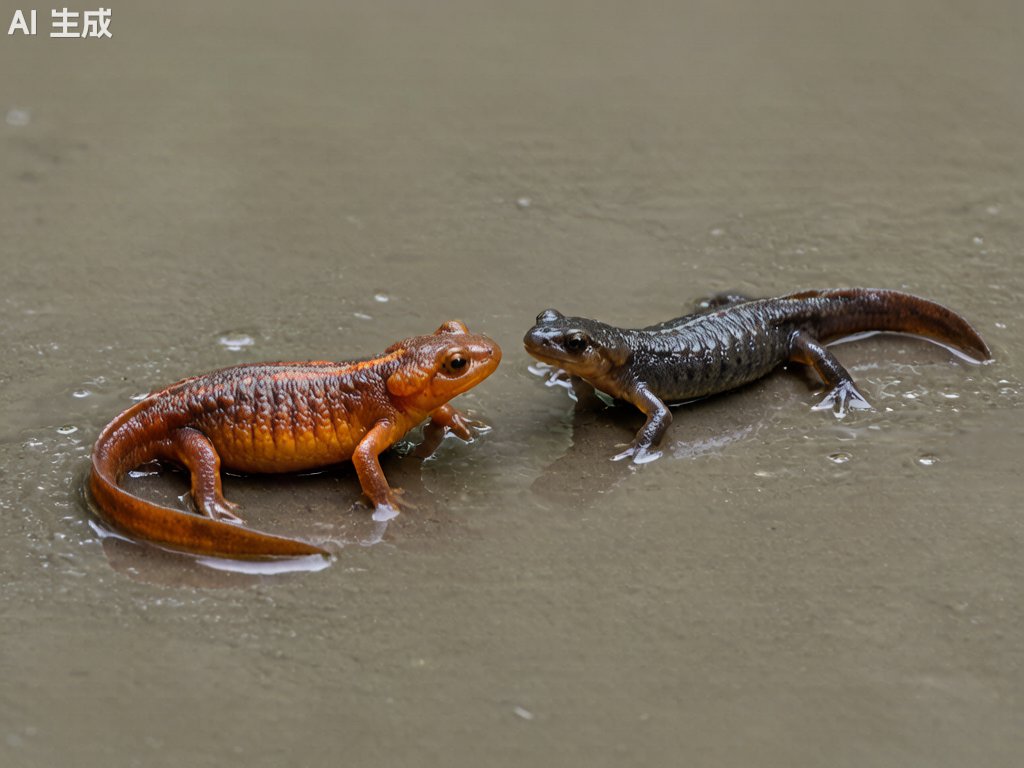
Introduction
The Smooth Newt, scientifically known as Lissotriton vulgaris, is a small amphibian found throughout Europe and parts of Asia. This delicate species is easily recognised by its smooth, moist skin and the distinctive crest that males develop during breeding season. Smooth Newts are important indicators of wetland health, requiring clean, unpolluted water bodies for breeding and damp terrestrial habitats for foraging. Their presence signifies a healthy ecosystem with good water quality and diverse invertebrate populations.
Taxonomy
The Smooth Newt belongs to the family Salamandridae, which includes newts and salamanders. Molecular studies have revealed that the species comprises several subspecies across its range, from the British Isles to Siberia. The genus Lissotriton diverged from other salamandrids approximately 15 million years ago. Genetic analysis shows that Smooth Newts are closely related to the Northern Crested Newt, with which they share similar habitats and breeding behaviours.
Physical Characteristics
Adult Smooth Newts measure 8–10 cm in length, with tails adding another 3–4 cm. Males are slightly larger than females and develop a low, wavy crest along their back and tail during breeding season. Their skin is smooth and moist, with a dark brown or black upper surface and a bright orange belly marked with black spots. In aquatic phases, newts develop a lateral tail fold that aids swimming. Their limbs are short but strong, with four-toed front feet and five-toed hind feet.
Habitat
Smooth Newts inhabit a variety of wetland environments, including ponds, lakes, ditches, and slow-moving streams. They require clean, fish-free water bodies for breeding, as fish prey on newt eggs and larvae. Terrestrial habitats include damp woodlands, meadows, and garden areas where they spend most of the year. Newts are most active during warm, humid conditions and seek shelter under logs, stones, and leaf litter during dry periods. Some populations migrate several hundred meters between aquatic and terrestrial habitats each year.
Diet
Smooth Newts are carnivorous, feeding primarily on insects, spiders, worms, and small crustaceans. Aquatic larvae feed on zooplankton and small invertebrates. Adult newts use a suction-feeding mechanism, snapping up prey with their broad mouths. They can consume up to 15% of their body weight daily during the breeding season. Newts are most active at night, using their keen sense of smell to locate prey in both water and on land. They can survive for several months without food during hibernation.
Reproduction
Breeding occurs between March and July, with males performing elaborate courtship displays involving pheromone release and tail fanning. Females lay 200–400 eggs individually, wrapping each around aquatic plant leaves to protect them from predators. Eggs hatch after 2–4 weeks, and larvae develop over 8–12 weeks before metamorphosing into terrestrial juveniles. Some newts remain in aquatic form throughout their lives, a phenomenon known as neoteny. Adults can live for 10–12 years in the wild.
Conservation
Smooth Newt populations have declined across Europe due to wetland drainage, pollution, and habitat fragmentation. Road mortality during migration is a significant threat, with thousands of newts killed annually on rural roads. Conservation measures include creating newt-friendly pond edges, installing migration tunnels under roads, and managing woodland habitats to maintain humidity levels. The species is protected under the Habitats Directive in the European Union, requiring member states to maintain favorable conservation status.
Fun Facts
Male Smooth Newts develop a bright orange belly during breeding season, which serves as a visual signal to females. They can regenerate lost limbs, tails, and even parts of their heart and brain, making them valuable models for regenerative medicine research. Newts produce tetrodotoxin, a potent neurotoxin also found in pufferfish, which deters predators from attacking them. During breeding, males release pheromones that can stimulate egg production in females within minutes.
[…] nymph shares the clean river bed with the larvae of the Smooth Newt in connected waters and emerges alongside the Common Frog in adjoining habitats, while the adult is […]
[…] lives among the same weeds as the larvae of the Smooth Newt and the Common Frog, and it is one of the few spiders that regularly crosses paths with the Grass […]