 By st20113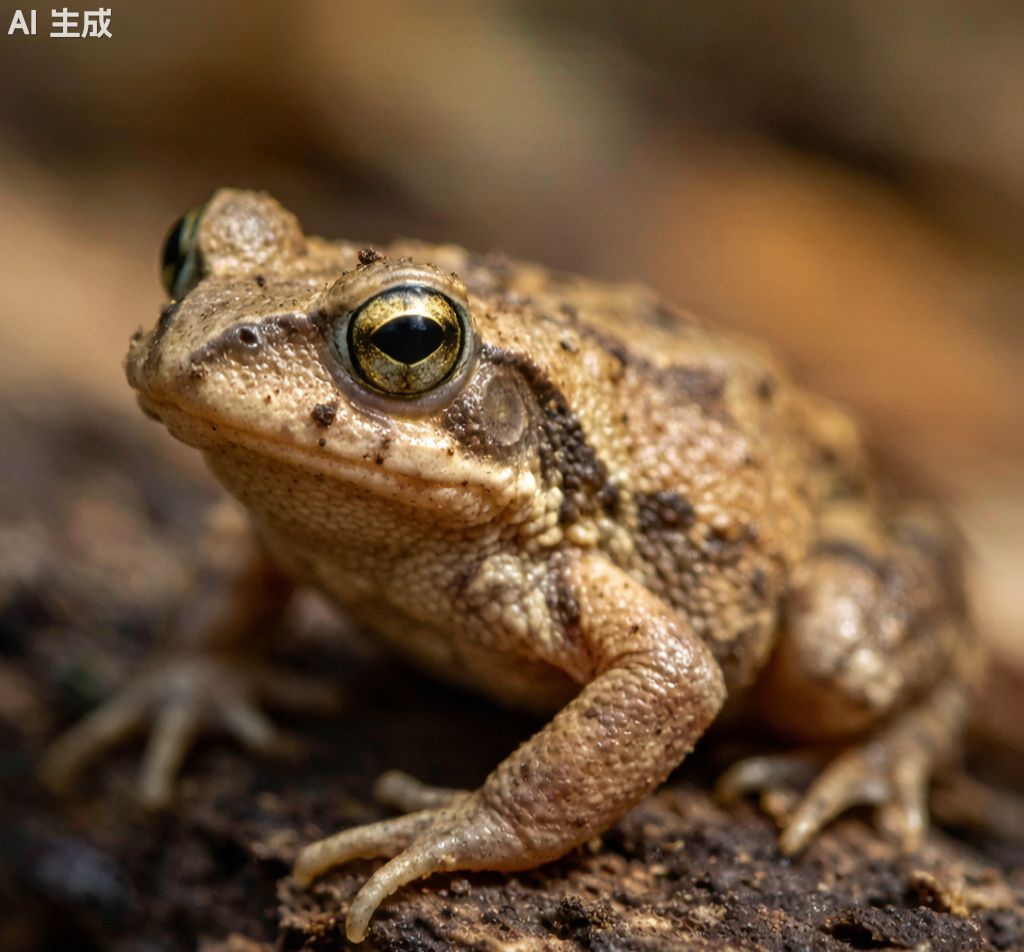
Introduction
The Common Spadefoot Toad (Pelobates fuscus) is a medium-sized, burrowing amphibian found across central and eastern Europe. Despite its name, this species is not a true toad but belongs to a distinct family distinguished by its smooth skin and specialized digging adaptations. The spadefoot toad spends most of its life underground, emerging only briefly to breed in temporary or permanent water bodies. Its presence is often detected only by its distinctive breeding calls.
Taxonomy
Pelobates fuscus belongs to the family Pelobatidae, the spadefoot toads, which are characterized by vertical pupils and specialized foot anatomy. The genus Pelobates contains four species found in Europe and the Middle East. The common spadefoot toad was formerly considered conspecific with the刀子 spadefoot. Genetic studies have clarified relationships within this ancient amphibian group.
Physical Characteristics
Common spadefoot toads have plump bodies reaching 6 to 8 centimeters in length with a smooth, unspotted skin. Coloration is typically sandy brown to grey with darker blotches on the back. The species has distinctive vertical pupils like cat’s eyes, unlike the horizontal pupils of true toads. The most distinctive feature is the dark, keratinized spade on each hind foot used for digging. Males have rough nuptial pads on their front feet during breeding. The common toad has warty skin and horizontal pupils in comparison.
Habitat
Spadefoot toads inhabit sandy or loose soils in areas with temporary or shallow permanent ponds. They are found in meadows, farmland, forest clearings, and urban areas with suitable substrates. The species burrows during the day and non-breeding periods to depths of 20 to 50 centimeters. Breeding occurs in ponds without predatory fish, including agricultural ditches and flooded fields. The green toad shares similar burrowing habits in some areas.
Diet
Common spadefoot toads are nocturnal predators feeding on a variety of invertebrates including beetles, caterpillars, earthworms, and ants. Prey is located by sight and captured with a rapid lunge and sticky tongue. The species is an important predator of pest insects in agricultural areas. During non-breeding periods, spadefoot toads may not feed while underground.
Reproduction
Breeding occurs in spring, typically from March to May, when spadefoot toads migrate to breeding ponds. Males call from the water to attract females, producing a low, clucking advertisement call. Females lay strings of eggs in shallow water, typically attaching them to vegetation. Clutches may contain 1,000 to 3,000 eggs. Tadpoles transform into froglets after approximately three months. The edible frog sometimes hybridizes with spadefoot toad tadpoles.
Conservation
Common spadefoot toad populations have declined in western parts of the range due to habitat loss and agricultural intensification. The species is legally protected in several European countries. Conservation measures include protecting breeding sites and maintaining suitable sandy soils for burrowing. Agricultural practices that reduce soil compaction benefit this and other burrowing amphibians.
Fun Facts
Spadefoot toads can remain underground for years during dry periods, emerging only when rain soaks the soil sufficiently. Their name comes from the keratin spade on each hind foot, an unusual adaptation for a burrowing amphibian. The species has a peculiar defensive secretion that smells like garlic when the toad is disturbed. Spadefoot tadpoles can be unusually large, sometimes reaching the size of adult frogs. The natterjack toad shares some of the same conservation concerns as the spadefoot. The common spadefoot toad’s dependence on specific soil conditions makes it vulnerable to land use changes and agricultural practices. Sandy or loose soils required for burrowing are increasingly rare in intensive agricultural landscapes. The species has benefited from the creation of small farm ponds that provide breeding habitat free of predatory fish. Research on spadefoot toad vocalizations has revealed geographic variation in advertisement calls across the range. The species’ reliance on temporary ponds makes it susceptible to drought conditions that may become more frequent with climate change. Conservation priorities include maintaining traditional land uses and protecting known breeding sites. The common spadefoot toad’s burrowing behavior has been studied extensively as an adaptation to unpredictable water availability. Tadpoles of the species can accelerate their development when pond conditions deteriorate, transforming more quickly than normal. The species has been documented using agricultural ponds and irrigation channels as breeding sites in otherwise unsuitable landscapes. Research on spadefoot toad pheromones has revealed chemical communication systems between individuals. Conservation of traditional farmland with undisturbed soils remains essential for this burrowing amphibian.
[…] animal shares the family with the Common Spadefoot Toad. That family holds about 10 species. All of them dig with a foot […]