 By st20113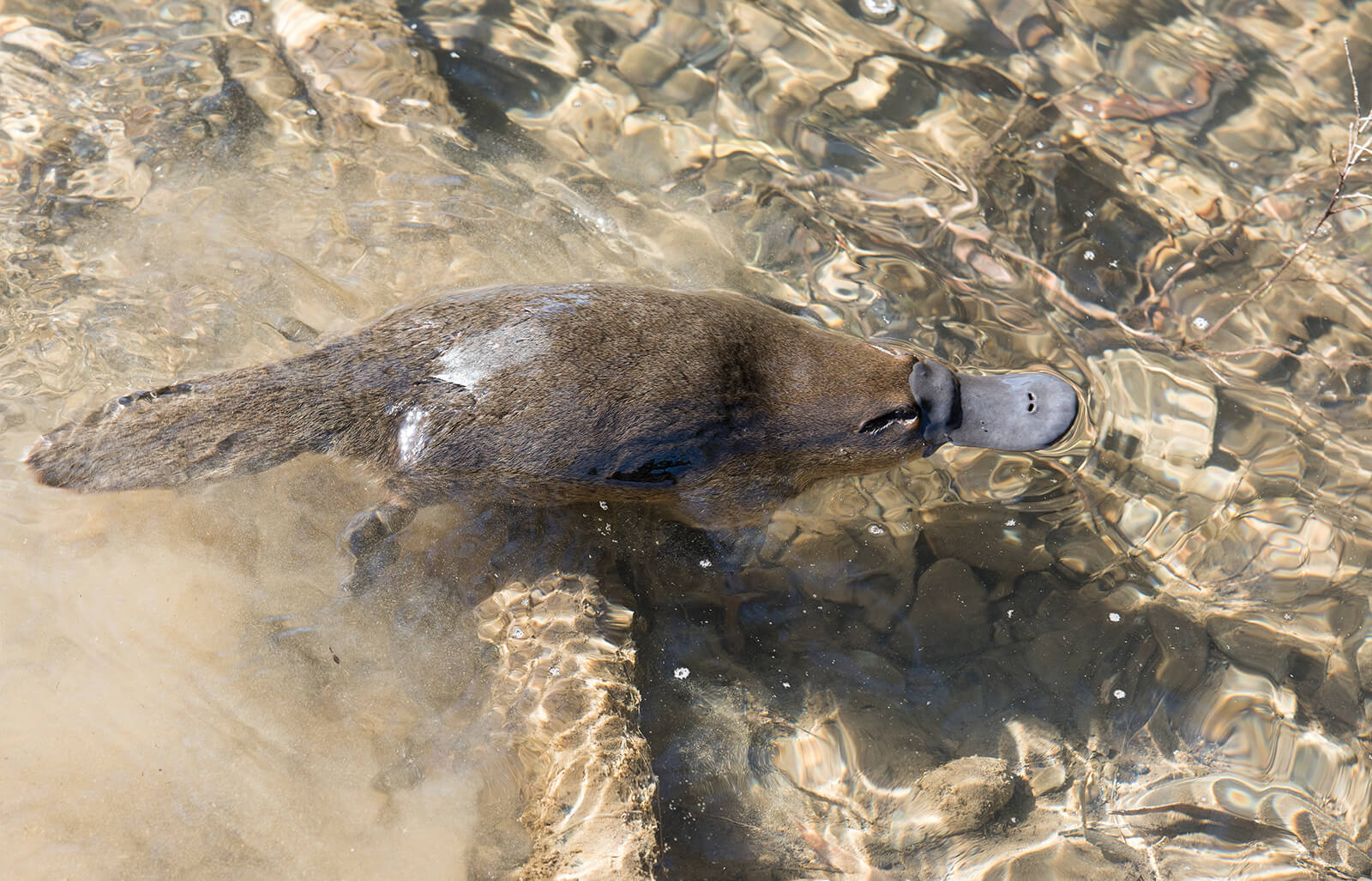
The Platypus (Ornithorhynchus anatinus) is one of the most extraordinary animals on Earth – a semi-aquatic, egg-laying mammal of the rivers and streams of eastern Australia and Tasmania that combines a duck-like bill and webbed feet, a beaver-like tail, and the body and fur of a small mammal into a creature so bizarre that when the first specimen was sent to Britain in 1798, naturalists suspected it was an elaborate hoax.
Overview
The Platypus (Ornithorhynchus anatinus) is one of the most extraordinary animals on Earth – a semi-aquatic, egg-laying mammal of the rivers and streams of eastern Australia and Tasmania that combines a duck-like bill and webbed feet, a beaver-like tail, and the body and fur of a small mammal into a creature so bizarre that when the first specimen was sent to Britain in 1798, naturalists suspected it was an elaborate hoax. The platypus is one of only five extant species of monotremes – the most basal group of living mammals, which lay eggs rather than giving birth to live young – and is the sole member of its family (Ornithorhynchidae), representing a lineage that has been evolving independently from other mammals for approximately 166 million years.
The platypus’s most remarkable feature is its electroreception – the ability to detect the weak electric fields generated by the muscle contractions of prey animals, allowing it to hunt entirely by touch in the murky, sediment-laden waters where it feeds. The platypus’s bill is studded with thousands of electroreceptors that can detect the electrical signals produced by the heartbeat and muscle activity of prey animals – including insect larvae, freshwater shrimp, crayfish, and small fish – buried in the riverbed or gravel. The platypus closes its eyes, ears, and nose while diving and navigates, locates prey, and captures food entirely using its bill-based electroreception and mechanoreception.
Habitat and Venom
The Platypus inhabits the freshwater rivers, streams, and lakes of eastern Australia and Tasmania, from the tropical streams of Queensland to the cold, clear rivers of Tasmania. The species requires permanent freshwater habitats with suitable burrow sites – typically banks composed of compacted earth or clay that the platypus can excavate to create nesting burrows above the waterline. The platypus is a powerful swimmer that uses its webbed forefeet for propulsion and its hind feet and tail for steering and balance, spending most of its time in the water but resting in burrows dug into riverbanks during the day.
The platypus is one of the few venomous mammals in the world: male platypuses possess a venomous spur on each hind leg, connected to a venom gland in the thigh. The venom is produced in significant quantities only by males during the breeding season, and is thought to play a role in competition between males for mates. The venom is not lethal to humans but causes excruciating pain – described by victims as far worse than a bee sting – and can incapacitate a human for days. The venom is a complex mixture of defensin-like proteins that causes massive swelling, extreme pain, and hyperalgesia (heightened sensitivity to pain), and for which there is no specific antidote.
Reproduction
The platypus is one of only five species of monotremes – egg-laying mammals – and its reproduction is one of the most extraordinary in the animal kingdom. After mating, the female excavates a long nesting burrow (up to 20 meters in length) above the waterline, where she seals herself in to lay and incubate her eggs. Unlike most mammal eggs, monotreme eggs are leathery-shelled – similar to reptile eggs – and the female curls her body around the 1 to 3 eggs to incubate them for approximately 10 to 14 days before they hatch. The hatchlings are tiny, blind, and hairless – less than 2 centimeters long – and are nourished by milk secreted from patches of skin on the mother’s belly (monotremes lack nipples).
The platypus’s milk is remarkable in its own right: it contains a set of potent antimicrobial proteins called monotreme lactation proteins (MLPs) that are unique to monotremes and are thought to protect the mother and the vulnerable young from bacterial infection in the warm, humid environment of the burrow. The young platypuses feed and grow in the burrow for approximately 4 to 5 months before emerging from the water and beginning to forage independently. The species’ slow reproduction – with females raising only one or two litters per year and investing heavily in each offspring – makes wild populations highly vulnerable to adult mortality.
Conservation
The Platypus is listed as Near Threatened on the IUCN Red List, reflecting growing concerns about population declines driven by habitat modification, water pollution, fishing gear entanglement, and the impacts of climate change on freshwater ecosystems. The platypus’s dependence on clean, permanent freshwater habitats makes it highly vulnerable to water quality degradation from agricultural runoff, industrial pollution, and urban development. Pesticides, heavy metals, and other pollutants can accumulate in the platypus’s body and may impair its immune system and reproductive success.
The platypus is also frequently caught and killed in fishing gear, including yabby traps (crayfish traps) that are baited and set in waterways throughout the species’ range, and in fyke nets used for scientific monitoring. Climate change poses additional threats by altering the hydrology of Australian rivers – reducing dry-season flows, increasing water temperatures, and intensifying drought conditions that can cause mass mortality events. Several large-scale bushfires in southeastern Australia in 2019-2020 also destroyed significant areas of platypus habitat, particularly in the upland streams of the Great Dividing Range. Conservation efforts focus on protecting waterway habitat, reducing fishing gear mortality, monitoring population trends, and conducting research into the species’ ecology and climate vulnerability.