 By st20113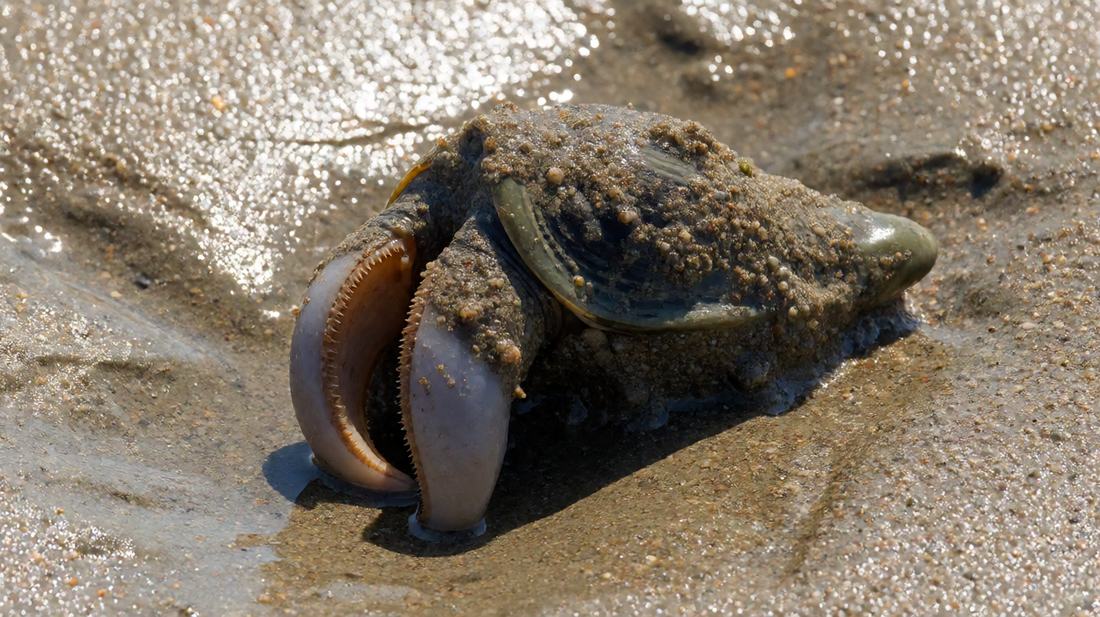
Panopea generosa | Pacific Geoduck
Species Profile · Hiatellidae
Pacific Geoduck
A huge burrowing clam of the Pacific north west that digs a metre into the seabed and can live for a hundred years.
A giant clam that burrows a metre deep and can live for a century
Shell length
Siphon
Weight
Burrow depth
Lifespan
Family
The Pacific Geoduck
A clam that digs deep
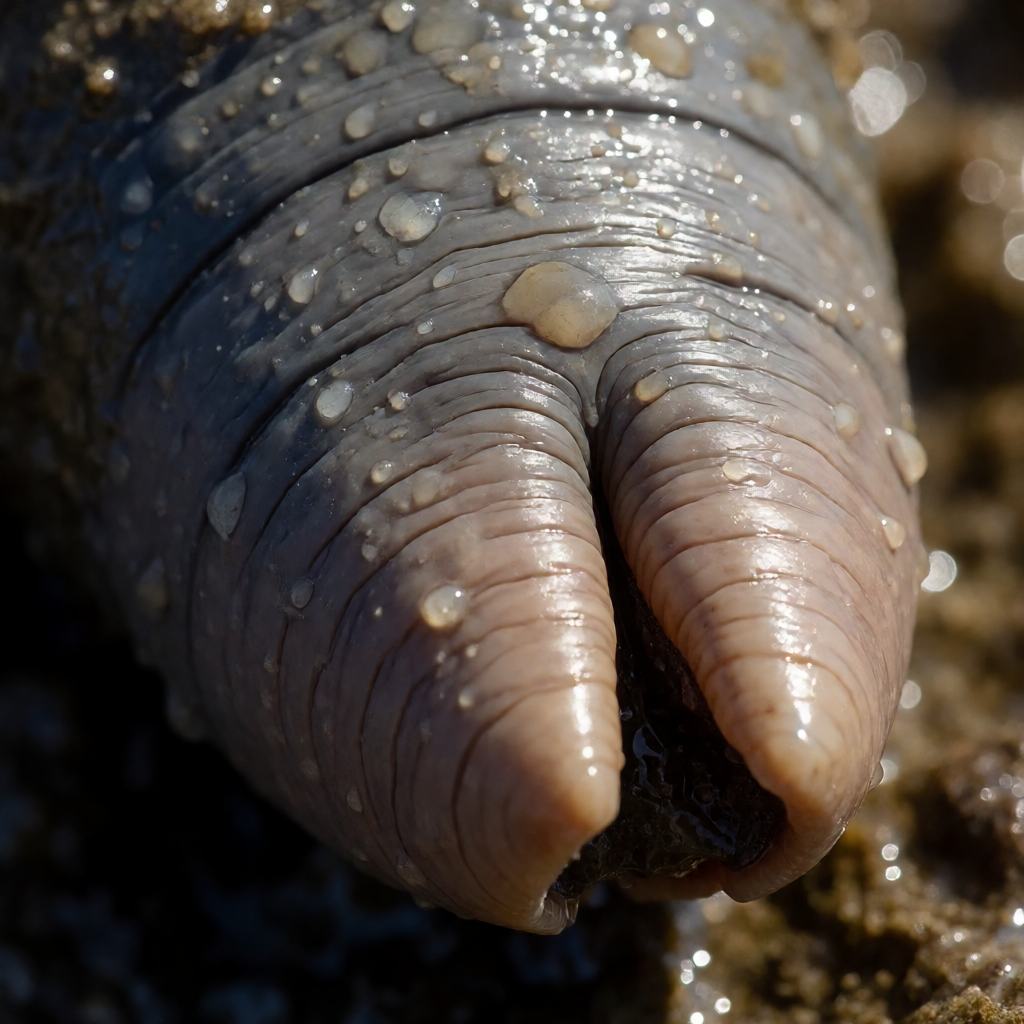
This clam is a giant among burrowers. Its neck can stretch longer than a human arm. It hides deep in the sand of the eastern Pacific.
It can live for a century. It is a famous and costly seafood.
Family tree
Myida, Hiatellidae
The Pacific geoduck is a bivalve mollusc. Its scientific name is Panopea generosa. It sits in the family Hiatellidae.
A close relative is Soft-shell Clam. Both animals bury themselves and feed through a siphon. The odd name comes from a native word of the Pacific north-west.
17.5 cm of shell, 1 m of neck
How to tell one
The shell grows to about 17.5 cm long. That shell is too small to cover the animal. The fleshy siphon can reach over 1 m.
A large adult may weigh 7 kg in total. The shell stays open because the neck is so wide. The body inside is pale and soft.
1
2
3
Sandy beds from Alaska to Baja
Where it lives
It lives from Alaska down to Baja California. It burrows up to 1 m into sand and mud. It stays between the tide line and 110 m down.
Dense beds form in calm, sandy bays. Each animal digs a permanent hole and rarely moves.
Plankton strained from seawater
What it eats
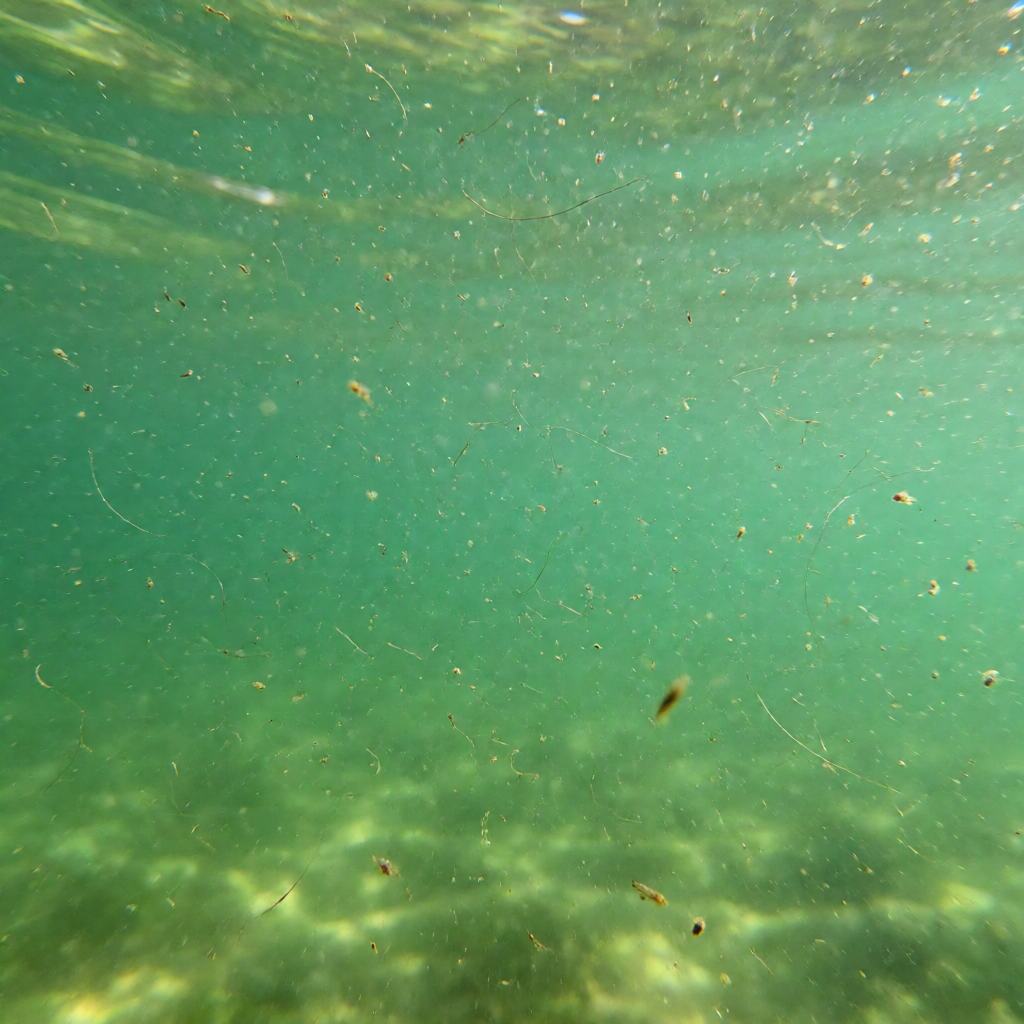
It feeds on drifting plankton and fine scraps. Seawater is pumped in through the siphon. Tiny hairs and mucus trap the food.
The cleaned water is then pushed back out. The animal can feed for hours at a time.
A century of slow growth
The breeding cycle
Males and females spawn into open water. They release their cells in spring and summer. A larva swims for a few weeks.
It then settles on the seabed and digs in. Young clams grow fast, adding several centimetres a year. They can live for 100 years.
A valuable hand picked fishery
Conservation
This species is not on the IUCN Red List. It supports a valuable fishery in the Pacific north-west. Divers pick the clams by hand, one at a time.
Farmed geoducks also supply the market. Managers check the beds each year to keep the stock healthy.
Quick hits
Five things to remember
- Its name comes from a native word meaning “dig deep”.
- The neck can stretch to more than a metre.
- It cannot shut its shell completely.
- Juveniles are eaten by fish, starfish, crabs and snails.
- Fishing for them is done by hand, with divers on the seabed.