 By st20113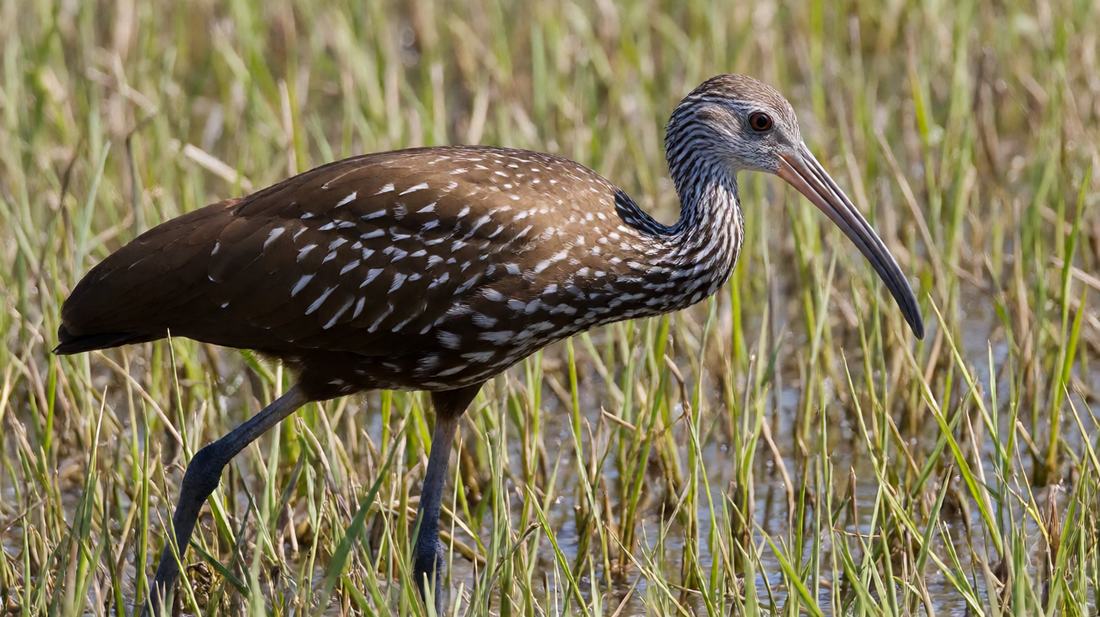
Aramus guarauna | Limpkin
Species Profile · Aramidae
Limpkin
A brown marsh bird of the Americas that pulls apple snails from their shells and is the only living member of its family.
A wailing marsh bird that lives on apple snails and is the only member of its family
Length
Wingspan
Eggs
Incubation
Main food
Family
The Limpkin
A wailing bird of the marsh
This bird walks through marsh water on long legs. It hunts one kind of snail. Its wailing call carries far at night.
It is a big brown wader of warm wetlands. Birders know it by its odd, slow stride.
Family tree
Gruiformes, Aramidae
The limpkin is the sole living member of the family Aramidae. Its name is Aramus guarauna. The old Greek words mean water rail.
It sits in the crane order. A near kin is the Common Moorhen.
66 cm and a snail habit
How to tell one
An adult is about 66 cm long. Its wings span about 101 cm. The body is brown with white streaks. White spots dot the wings.
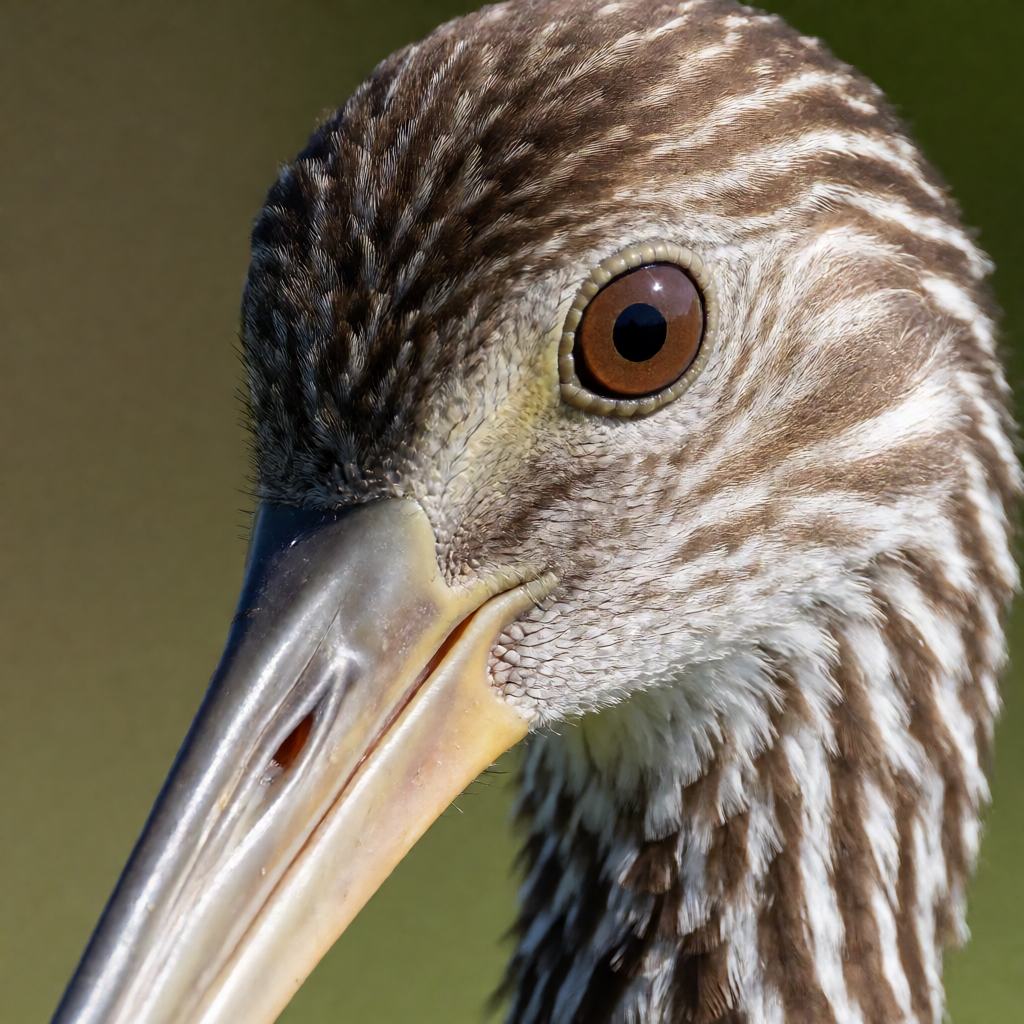
The bill is long and slightly curved. A gap near the tip works like a pincer. Males and females look much the same.
1
2
3
Fresh marshes from Florida south
Where it lives
It lives in fresh marshes, swamps and wet woods. Its range runs from Florida down to Argentina. It needs quiet water with snails.
Open water mixed with tall reeds suits it best. It does not move far with the seasons. The same pair may hold a marsh for years.
Apple snails and mussels
What it eats
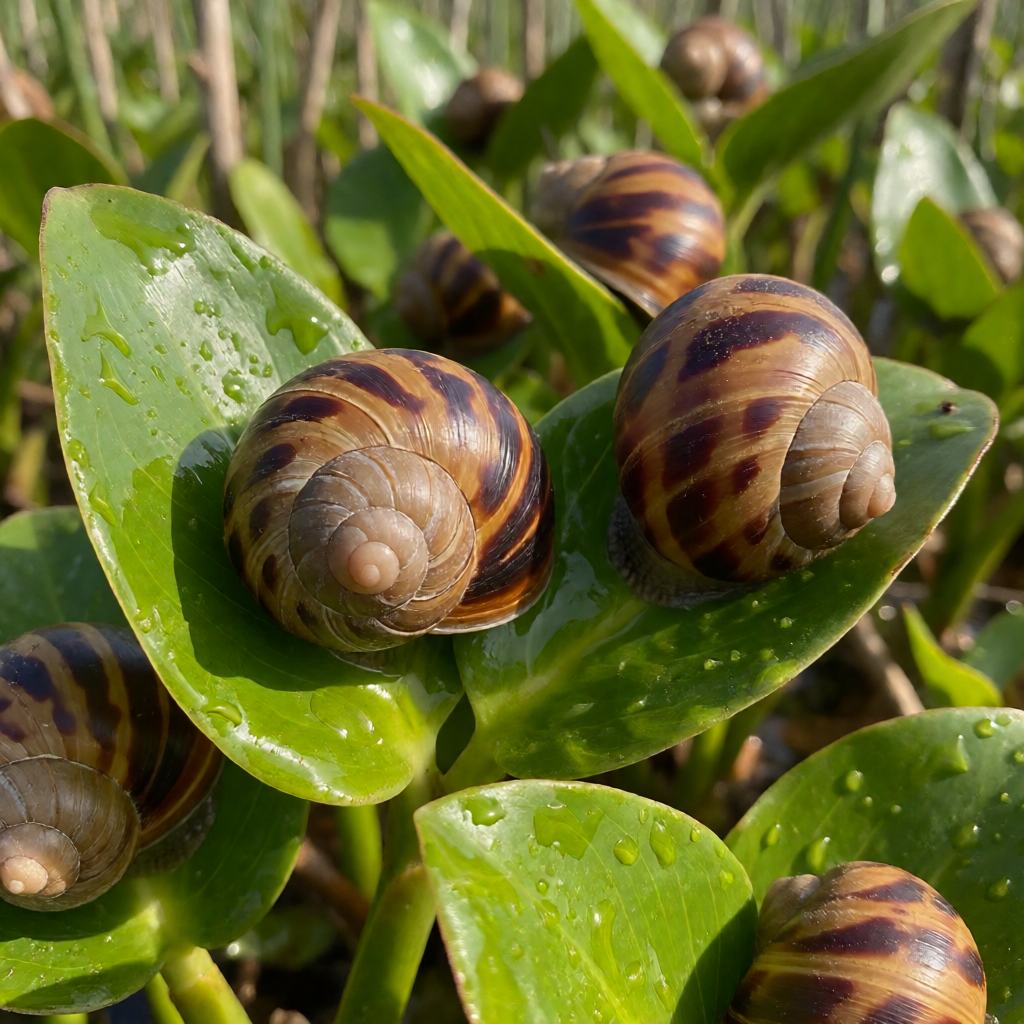
Its main food is the apple snail. The bird pulls the snail from its shell with a hooked bill. It eats mussels, bugs and frogs too.
Chicks eat almost nothing else for weeks. It hunts in shallow water and soft mud.
3 to 8 eggs above water
The breeding cycle
The pair builds a nest of reeds over the water. The female lays 3 to 8 eggs. Both birds sit on them for about 28 days. The chicks hatch covered in down.
They can leave the nest within a day. Young birds stay with the parents for a while. Limpkins guard their marsh in spring.
Wetland drainage and rising seas
Conservation
This species is rated Least Concern by the IUCN. Wetland drainage is the main threat. Some groups to the south are shrinking.
Sea level rise may flood coastal marshes. Draining of bogs is a long term risk. Healthy water flows help both the snail and the bird.
Quick hits
Five things to remember
- The bird got its name from its slow, limping walk.
- No other living bird sits in its family.
- People say its cry sounds like a scream.
- Its plain brown colour hides it among reeds.
- Old cultures used its feathers in ceremonies.