 By st20113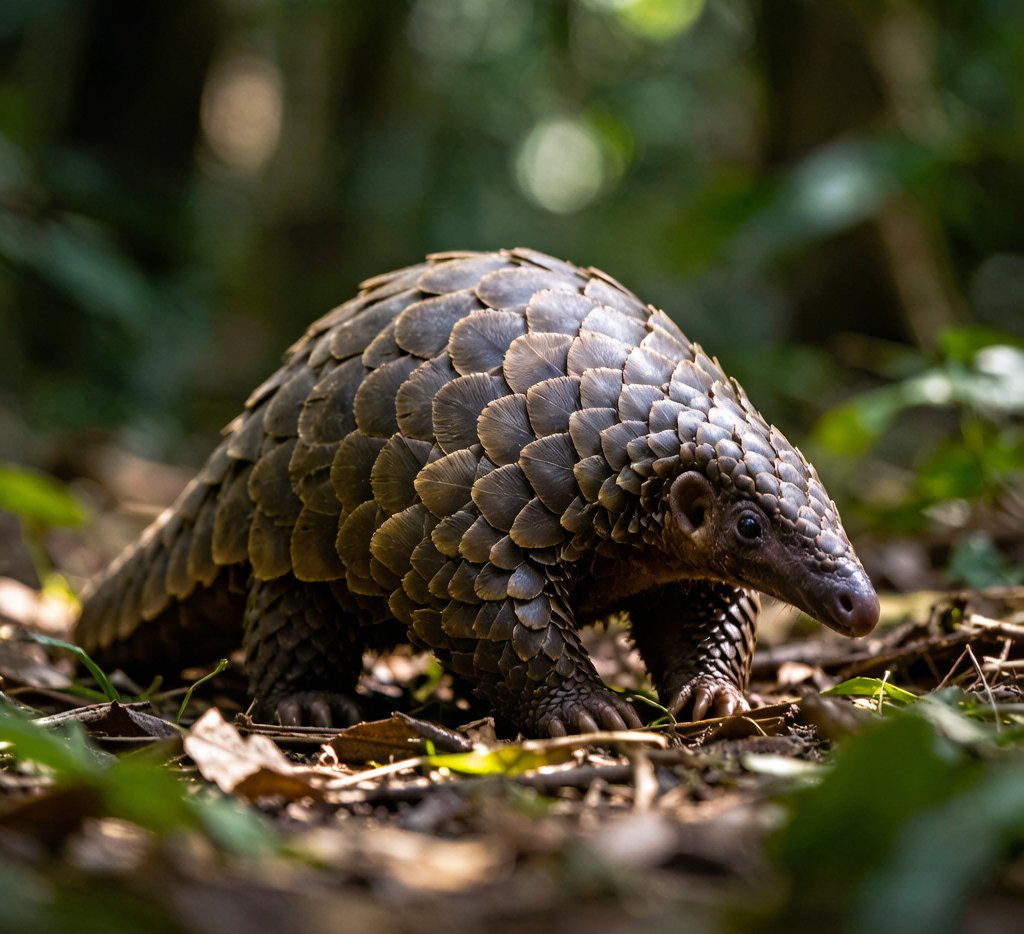
Introduction
The Sunda pangolin, scientifically known as Manis javanica, is a mammal belonging to the order Pholidota. Instantly recognizable by its covering of tough, overlapping keratin scales, it is often called simply the pangolin. Native to the forests of Southeast Asia, it is a nocturnal, solitary creature. It is one of eight living pangolin species found across Africa and Asia, and among the most heavily trafficked wild mammals in the world. Despite its unusual appearance, it plays a vital ecological role by controlling insect populations through its diet, and its shy nature makes it difficult to study in the wild.
Taxonomy
Manis javanica belongs to the genus Manis within the family Manidae. The species was first formally described by the French naturalist Georges Cuvier in 1822. Pangolins are the only mammals wholly covered in scales, a feature that sets them apart from all other vertebrates. Genetic studies place them closer to the order Carnivora than to anteaters or armadillos, despite superficial similarities. The eight extant species are divided between three Asian genera and one African genus. Within Asia, Manis javanica is distinguished from its relatives by its relatively slender body and shorter, broader tail scales. Ongoing research continues to refine the phylogenetic relationships among pangolin species using molecular data.
Physical Characteristics
An adult Sunda pangolin typically weighs between 4 and 7 kilograms and measures roughly 100 to 115 centimeters from snout to tail tip. Its body is encased in rows of sharp, keratinous scales that provide formidable defense against predators. When threatened, the animal rolls into a tight ball, presenting a near impenetrable armored sphere. Beneath the scales, the skin is soft and pinkish. The head is small and conical, bearing a long sticky tongue that can extend far beyond the mouth to capture prey. Pangolins lack teeth entirely and instead rely on a muscular stomach lined with grit to grind food. Their powerful front claws are adapted for tearing open termite mounds and ant nests.
Habitat
This species inhabits a range of environments including primary and secondary tropical forests, plantations, and agricultural edges. It is found across countries such as Indonesia, Malaysia, Thailand, Vietnam, Laos, Cambodia, and Singapore. The Sunda pangolin tends to prefer lowland forest but can also survive in more disturbed habitats where termites and ants remain abundant. It is largely terrestrial but climbs trees with surprising agility when foraging or resting. Like many small mammals, it uses hollow logs and burrows abandoned by other animals for shelter during daylight hours. Habitat loss driven by deforestation poses a growing threat to its remaining populations.
Diet
The Sunda pangolin is a specialized myrmecophage, feeding almost exclusively on ants and termites. Using its keen sense of smell, it locates nests and tears them open with strong claws before lapping up prey with a tongue that may reach 25 centimeters in length. Saliva produced by large salivary glands helps the sticky tongue capture insects efficiently. An individual can consume tens of thousands of insects in a single night, providing natural pest control. Because it has no teeth, the animal swallows small stones that aid digestion in the gizzard-like stomach. The diet varies seasonally depending on the availability of different ant and termite colonies.
Reproduction
Pangolins are solitary except during the breeding season. After a gestation period of approximately 120 to 150 days, a female gives birth to a single offspring, though twins are occasionally recorded. Newborn pangolins are born with soft, pale scales that harden within a few days. The young ride on the mother’s tail or back for the first several weeks of life, remaining dependent on her milk. Weaning occurs at around three months, but the juvenile may stay near the mother for some time afterward. Sexual maturity is reached after roughly two years. Because of their low reproductive rate, populations recover slowly from poaching pressure.
Conservation
Manis javanica is listed as Critically Endangered on the IUCN Red List. It faces extreme pressure from illegal hunting and international trafficking, driven largely by demand for its meat and scales in certain traditional medicine markets. Thousands of individuals are seized each year, yet enforcement remains challenging across its wide range. Conservation efforts include stricter legislation, protected reserves, and awareness campaigns. The species is now banned from international commercial trade under CITES Appendix I. Local communities and wildlife groups work to reduce demand and rescue confiscated animals for rehabilitation. Continued habitat protection is essential for the species’ long-term survival.
Fun Facts
A pangolin can close its nostrils and ears to keep out invading ants while feeding. Its scales make up about twenty percent of its total body weight. Despite their tough armor, pangolins are surprisingly gentle and rarely show aggression. Baby pangolins are sometimes called “pangopups” by researchers. The name pangolin comes from a Malay word meaning “one that rolls up.” A pangolin’s tongue is longer than its entire body in some measurements..