 By Iris
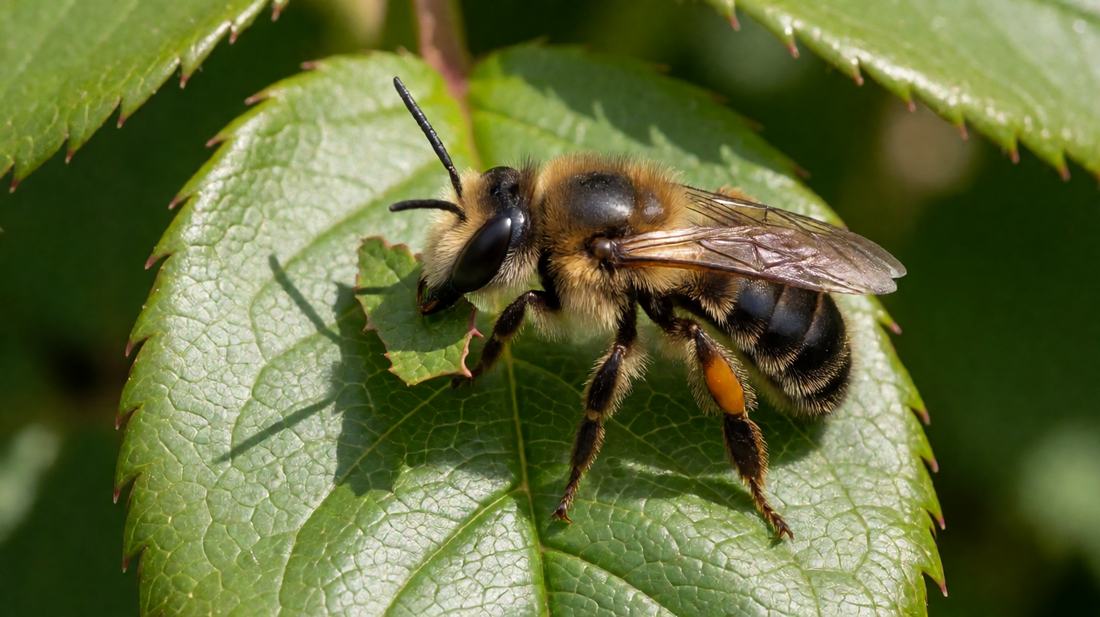
Megachile centuncularis | Leafcutter Bee
Species Profile · Megachilidae
Leafcutter Bee
A gentle solitary bee that cuts neat ovals from leaves, lines a hollow tube with them and carries pollen on its belly instead of its legs.
A solitary bee that lines its nursery with pieces of leaf
Length
Nest
Cells
Pollen
Sting
Family
The Leafcutter Bee
A solitary bee with sharp scissors
This bee cuts neat pieces from leaves. It uses them to line its nest. It lives alone, not in a hive. It is a very useful pollinator.
Family tree
Hymenoptera, Megachilidae
The leafcutter bee is a small bee. Its name is Megachile centuncularis. It carries pollen on its belly. A close cousin is the Wool Carder Bee.
12 mm with a pollen brush
How to tell one
An adult is about 10 mm to 12 mm long. The body is black with pale bands. Bands of hair cross the abdomen. The head is broad and flat.
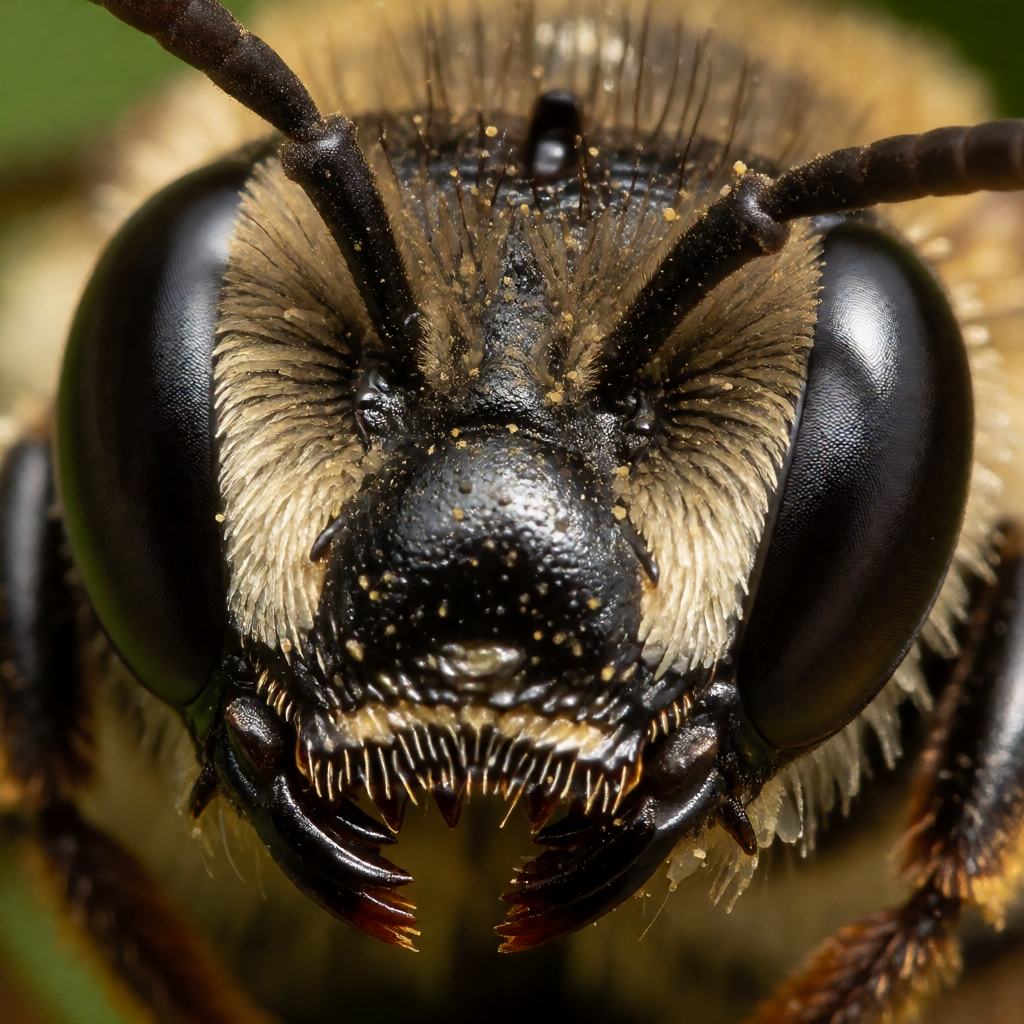
Strong jaws cut through leaves. A pollen brush sits under the belly. This bee has no pollen baskets on its legs.
1
2
3
Gardens, parks and hedges
Where it lives
It lives in gardens, parks and hedges. It nests in holes in old wood. It also uses walls and plant stems.
It likes warm, sunny, open spots. Adults fly from late spring to autumn. It needs flowers and leaves nearby.
Pollen and nectar
What it eats
Adults drink nectar from flowers. The female collects pollen for her young. She packs it into each small cell.
She visits many kinds of flowers. Thistles, clover and roses all help. She can carry only a little at a time.
Cells lined with leaf
The breeding cycle
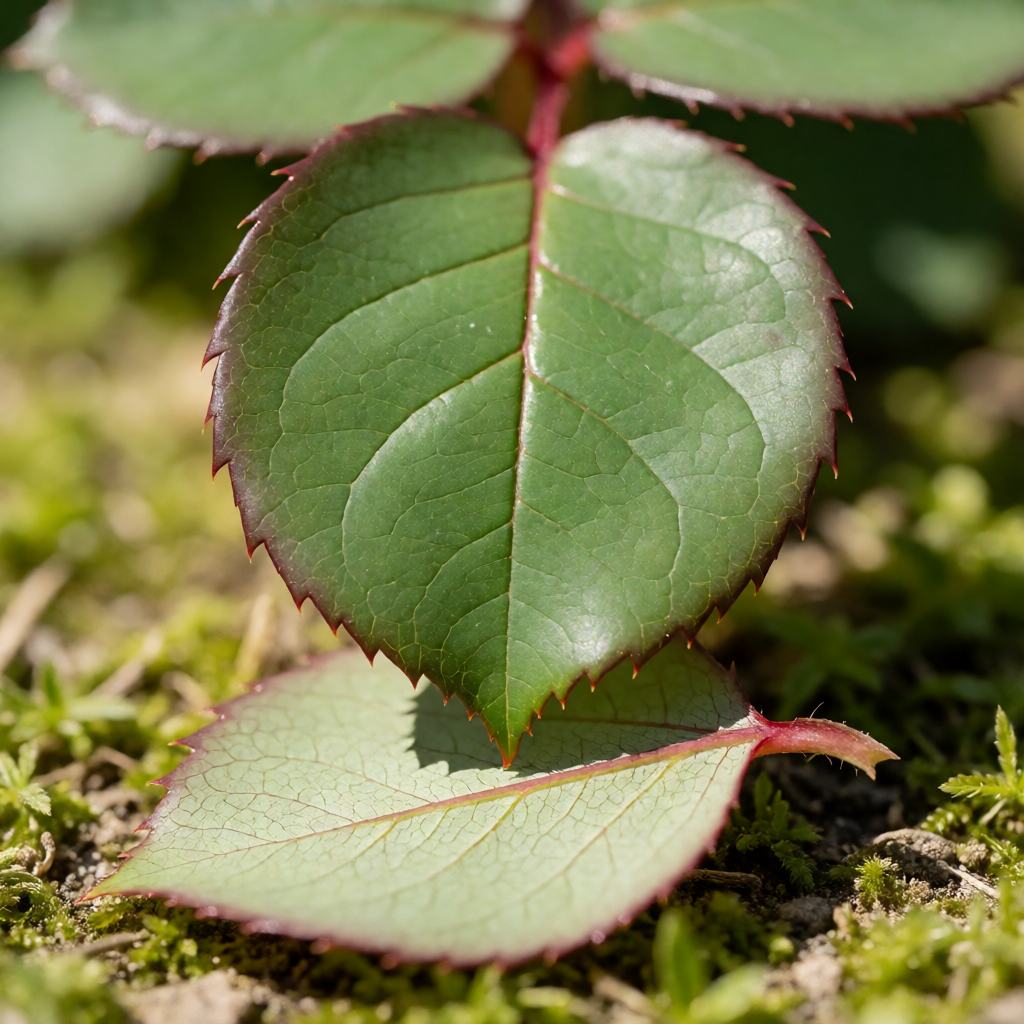
The female finds a hollow tube. She cuts oval pieces from leaves. She lines the tube with them.
One egg is laid in each cell. She builds 10 or more cells in a row. The young bees sleep there all winter.
Fewer flowers and sprays
Conservation
This bee has no Red List entry. Fewer flowers mean fewer bees. Pesticides harm bees in gardens.
Old fence posts and dead wood help. Leaving stems standing gives them homes. They are common in many town gardens.
Quick hits
Five things to remember
- It cuts perfect oval shapes from leaves.
- The cut pieces never kill the plant.
- It is gentle and rarely stings.
- Farmers value it more than honeybees.
- Some bees steal its finished nest.