 By st20113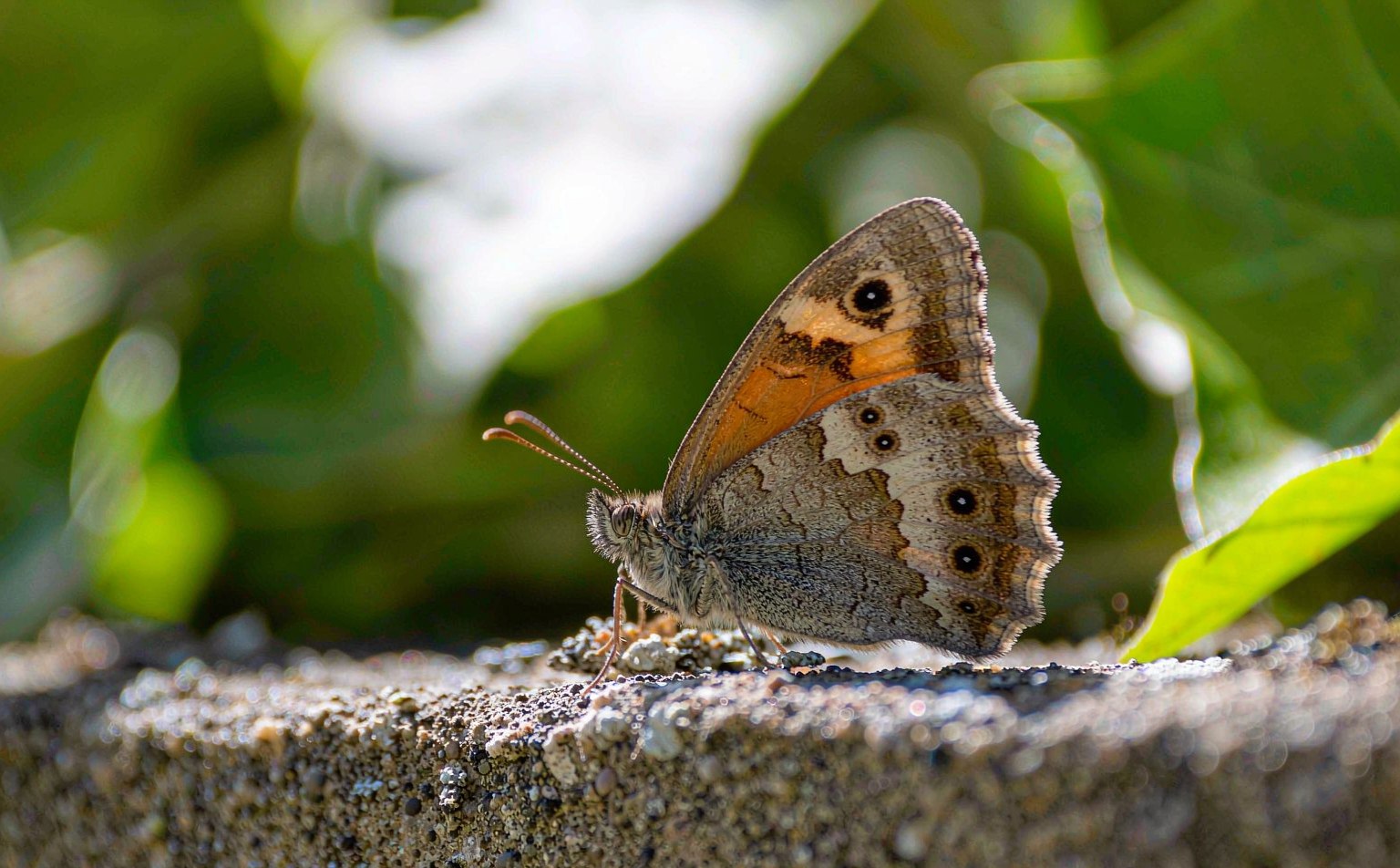
Lasiommata megera | Wall Butterfly
Introduction
The Wall Butterfly (Lasiommata megera) is a robust, orange and brown butterfly of sunny banks, grassland and bare ground, named for its habit of basking on walls, paths and bare earth with wings spread flat. Once one of the commonest British butterflies, it has declined in parts of its range but remains a familiar sight on warm, exposed places across southern and central Europe. Its rapid, low flight and fondness for resting on the ground make it distinctive.
A butterfly of hot, dry, open habitats, the Wall is well adapted to bare, sun-baked ground where its caterpillar’s grasses grow. Its eye-spots and alert posture give it a character all its own among the browns, and its tolerance of disturbed, sunny terrain keeps it in the human landscape.
Taxonomy
The Wall Butterfly was described by Carl Linnaeus in 1767 and placed in the genus Lasiommata within the family Nymphalidae, the browns and fritillaries. The genus name means “woolly-eyed,” referring to the hairy eyes, and megera honours Megaera of myth. It is a close relative of the Large Wall and other satyrines of open ground.
It shares sunny banks and grass with the Meadow Brown and is often seen near the Red Admiral where flowers are abundant, while the Small Tortoiseshell frequents the same rough margins.
Physical Characteristics
The Wall Butterfly has a wingspan of 40 to 48 millimetres. The upper wings are orange-brown with dark margins and a row of small eyespots, and the underside of the hind wing is grey-brown with a broken band and a prominent eyespot ringed in yellow. The male bears a dark scent-patch streak on the forewing, a useful mark in the field.
The body is stout and the wings rather pointed. The butterfly’s flight is fast and low, and it settles on bare earth or stone with wings open, angling to the sun. The eyespots are thought to startle predators, and the plain underside hides the resting insect against soil and rock.
Habitat
Wall Butterflies favour hot, dry, open places: south-facing banks, chalk and limestone grassland, railway cuttings, quarries, walls, coastal slopes and bare ground in gardens and parks. They need short, sunny turf with the fine grasses their caterpillars eat, and they avoid cool, shady or rank vegetation. They are creatures of the warmest microclimates.
They are resident and produce two or three broods in warmer areas, flying from spring into autumn. The adults nectar at a range of flowers and the males often patrol and perch on bare ground, defending a small territory along a sunny track.
Diet
The adult feeds on nectar from many open flowers, including thistles, bramble, hawkbits, knapweed and buddleia, using its proboscis at sunny blooms. It is a generalist and visits whatever is plentiful in its dry, open habitat.
The caterpillar feeds on fine grasses such as couch, fescues and meadow-grass, nibbling the leaves low in the turf. The choice of sunny, short grassland links the butterfly to hot, exposed sites, and the caterpillar’s dependence on these grasses explains why the Wall favours baked banks over lush meadow.
Reproduction
The female lays her eggs singly on grass blades in sunny, open turf, often where the sward is short and warm. The caterpillar is green with a pale line and feeds at night, hiding low by day, passing through several instars before pupating among grass.
There are usually two or three broods a year in milder regions, so adults appear from April to October. The pupa overwinters in cooler areas, and the first Walls of spring take to the sun-warmed banks, completing a life cycle tuned to the hottest, driest grassland.
Conservation
The Wall Butterfly has declined in some regions, especially where intensive farming has removed sunny, flower-rich banks and short turf, yet it remains common in suitable hot habitats. It is a species of open, disturbed, sun-baked ground, and its fortunes rise and fall with the availability of such places.
Keeping south-facing banks, walls and verges open and flowering, avoiding over-grazing and scrub invasion, and allowing short, sunny turf to persist all help. Because it needs heat more than rarity, sympathetic management of even small sunny sites can sustain local populations.
Fun Facts
- It gets its name from basking flat on walls, paths and bare earth in full sun.
- The male has a dark scent streak on the forewing to attract females.
- Its eyespots may startle predators when the wings flick open.
- It prefers the hottest, driest grassland and shuns cool, shady places.
- Once among the commonest butterflies, it has declined where sunny banks have been lost.