 By st20113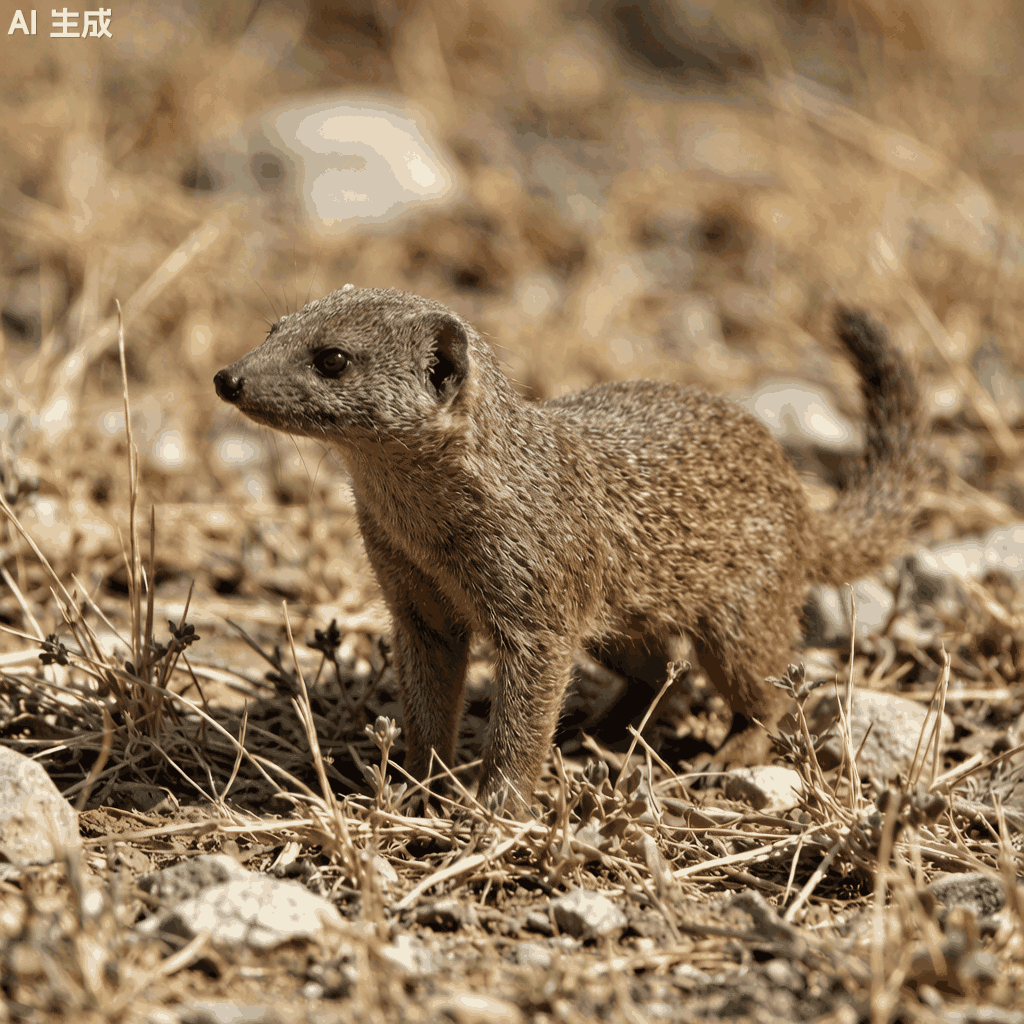
Introduction
The Indian mongoose, known scientifically as Herpestes edwardsii, is a slender, agile carnivore native to the Indian subcontinent. Renowned for its remarkable ability to confront and dispatch venomous snakes, this small predator has become a fixture of folklore and rural life across South Asia. Despite its fame as a snake fighter, the mongoose is an opportunistic feeder that thrives in a wide variety of environments, from arid scrubland to cultivated farmland. Its quick reflexes, dense fur, and innate curiosity make it one of the most adaptable members of the mongoose family.
Taxonomy
Herpestes edwardsii belongs to the family Herpestidae, which encompasses the mongooses of Africa and Asia. It was first described by French naturalist Étienne Geoffroy Saint-Hilaire in the early nineteenth century. The species is part of the genus Herpestes, a group of slender terrestrial carnivores distinct from the civets and meerkats. Several subspecies have been recognized across its broad range, reflecting regional variation in size and coat coloration. Genetic studies confirm its close relationship to other Asian mongooses while setting it apart from the African lineage.
Physical Characteristics
The Indian mongoose is a compact animal, typically measuring between 36 and 45 centimeters in body length with a tail nearly as long as the body. Adults usually weigh between 0.9 and 1.7 kilograms. Its coat is grizzled grey to brown, with guard hairs tipped in lighter shades that give a speckled appearance. A muscular, low-slung body, short legs, and a pointed snout support its foraging lifestyle. The mongoose possesses a keen sense of smell and exceptionally fast neural responses, traits that allow it to dodge strikes from snakes with astonishing precision.
Habitat
This species occupies a broad spectrum of habitats, including open grasslands, thorny scrub, dry deciduous forests, agricultural fields, and the outskirts of human settlements. It is largely absent from dense, intact rainforest and true desert interiors. The Indian mongoose is primarily terrestrial but climbs well when pursuing prey or evading threats such as the red fox. Its tolerance of disturbed landscapes has allowed it to persist even as natural habitats shrink across the subcontinent.
Diet
The Indian mongoose is a true omnivore with a strongly carnivorous leaning. Its diet includes rodents, insects, lizards, frogs, birds and their eggs, fruit, and carrion. It is famously capable of killing venomous snakes such as cobras and vipers, though such confrontations are risky and not its primary food source. In cultivated areas it provides a valuable service by suppressing crop-damaging rodent populations. Like the opportunistic brown bear, it adjusts its menu to whatever the season and locale provide.
Reproduction
Breeding can occur throughout the year, with peaks that vary by region and rainfall. After a gestation period of roughly 60 to 65 days, the female gives birth to a litter of two to four blind, helpless young in a burrow or sheltered cavity. Both parents may participate in guarding the den, though the female does most of the nursing. The offspring open their eyes after about ten days and are weaned within a month, becoming independent hunters by the time they are three to four months old.
Conservation
The Indian mongoose is currently classified as Least Concern by the IUCN, owing to its wide distribution and adaptability. Local populations face pressures from habitat conversion, road traffic, and persecution by farmers who alternately value and fear it. Historically, the species was introduced to many islands in a misguided attempt to control rats, where it caused severe harm to native birds and reptiles. Within its native range, however, healthy numbers persist, and no targeted conservation action is presently required.
Fun Facts
Contrary to popular belief, the Indian mongoose is not immune to snake venom; its success against snakes comes from speed, thick fur, and sheer aggression rather than resistance. It is celebrated in the famous short story Rikki-Tikki-Tavi by Rudyard Kipling as a brave protector of a human household. A mongoose can close its ears to keep out dirt and water while digging or fighting. Its anal glands produce a strong musky scent used for territory marking and communication with other mongooses.