 By st20113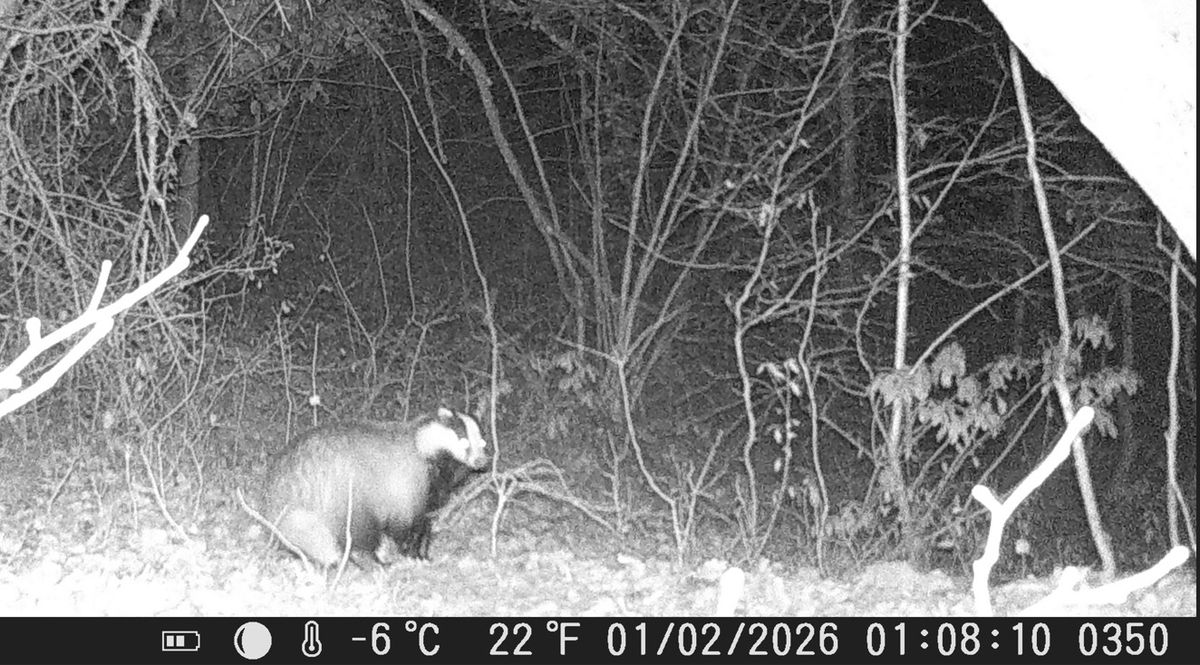
Introduction
The European Badger (Meles meles) is a sturdy, unmistakable member of the weasel family and one of the most beloved wild mammals of the British and European countryside. Famous for the bold black-and-white stripes across its face, it is a largely nocturnal animal that lives in elaborate underground homes called setts. Social, clean, and surprisingly tolerant of people when left undisturbed, the badger has become a symbol of wild woodland and a focal point of conservation debate. Its nocturnal secrecy and ancient presence have given rise to countless folktales across European cultures, from trickster tales to omens of fortune.
Taxonomy
Badgers belong to the family Mustelidae, which includes weasels, otters, and martens. Described by Linnaeus in 1758, Meles meles is the only living species in its genus in Europe, though several Asian badgers are close relatives. Its flat, powerful build and specialized digging anatomy set it apart from the slimmer, more agile mustelids that hunt above ground.
Physical Characteristics
Adult badgers measure 60 to 90 centimeters from nose to tail and weigh 8 to 12 kilograms, with males larger than females. The coat is grey overall, with a white head marked by two broad black stripes running from the nose over the eyes to the small rounded ears. The legs and belly are black, and the body is broad and low-slung. Massive front claws are built for excavation, and the neck is thick and muscular to power digging through soil and roots. The badger’s loose, thick skin protects it in fights and makes it hard for predators to gain a grip.
Habitat
Badgers favor mixed woodland, hedgerows, pastures, and orchard edges where soil is diggable and food is nearby. The sett is a network of tunnels and chambers used by a social group for generations, sometimes centuries, with multiple entrance holes and extensive underground galleries. They also forage in grasslands, fields, and gardens, often following well-worn paths between the sett and feeding areas under cover of darkness.
Diet
Earthworms make up the bulk of the badger’s diet, especially in moist conditions when worms come to the surface. They also eat insects and their larvae, fruits, bulbs, roots, small mammals, eggs, and carrion. Unlike the purely carnivorous Red Fox, badgers are omnivores that shift foods with the seasons. They will take European Rabbits and their young when available, and they sometimes forage alongside the Hedgehog, though badgers can prey on hedgehogs where their ranges overlap.
Reproduction
Badgers have a remarkable reproductive strategy: after mating in spring or summer, the embryo pauses development, a process called delayed implantation. Cubs are finally born in late winter or early spring, usually two or three, safe in the warmth of the sett. The mother nurses them underground, and the family group helps tend the young. This timing ensures cubs arrive when food is becoming plentiful again. Cubs emerge above ground in spring, playful and curious as they learn the routines of the sett and its surroundings.
Conservation
The European Badger is widespread and classified as Least Concern overall. Yet it faces serious threats from road traffic, illegal persecution, and culling programs intended to control cattle disease, which remain deeply controversial. In many countries it is legally protected, and wildlife bridges, sett protection, and public education help reduce conflict between badgers and farmland. These measures also benefit many other woodland species that share the badger’s varied habitat across the countryside.
Fun Facts
1. A single sett can be occupied by the same badger family for hundreds of years. 2. Badgers are fastidious, regularly cleaning and rearranging their underground bedding. 3. They are mostly nocturnal but may emerge at dusk in quiet areas. 4. Their striped face helps individual recognition within a group. 5. Despite their lumbering look, badgers can run surprisingly fast over short distances when alarmed. 6. Badger cubs are born blind and helpless but grow quickly on rich mother’s milk within the safe darkness of the sett, emerging only when sturdy enough to follow adults.
[…] stoat is a member of Mustelidae, the diverse family that also contains the European badger and the otter. Within the genus Mustela, it is closely related to the weasel and the least weasel, […]
[…] is the most widespread otter in the world. Close relatives found on the same continent include the European badger, another mustelid that shares woodland and riverbank habitats, though the badger is a terrestrial […]