 By st20113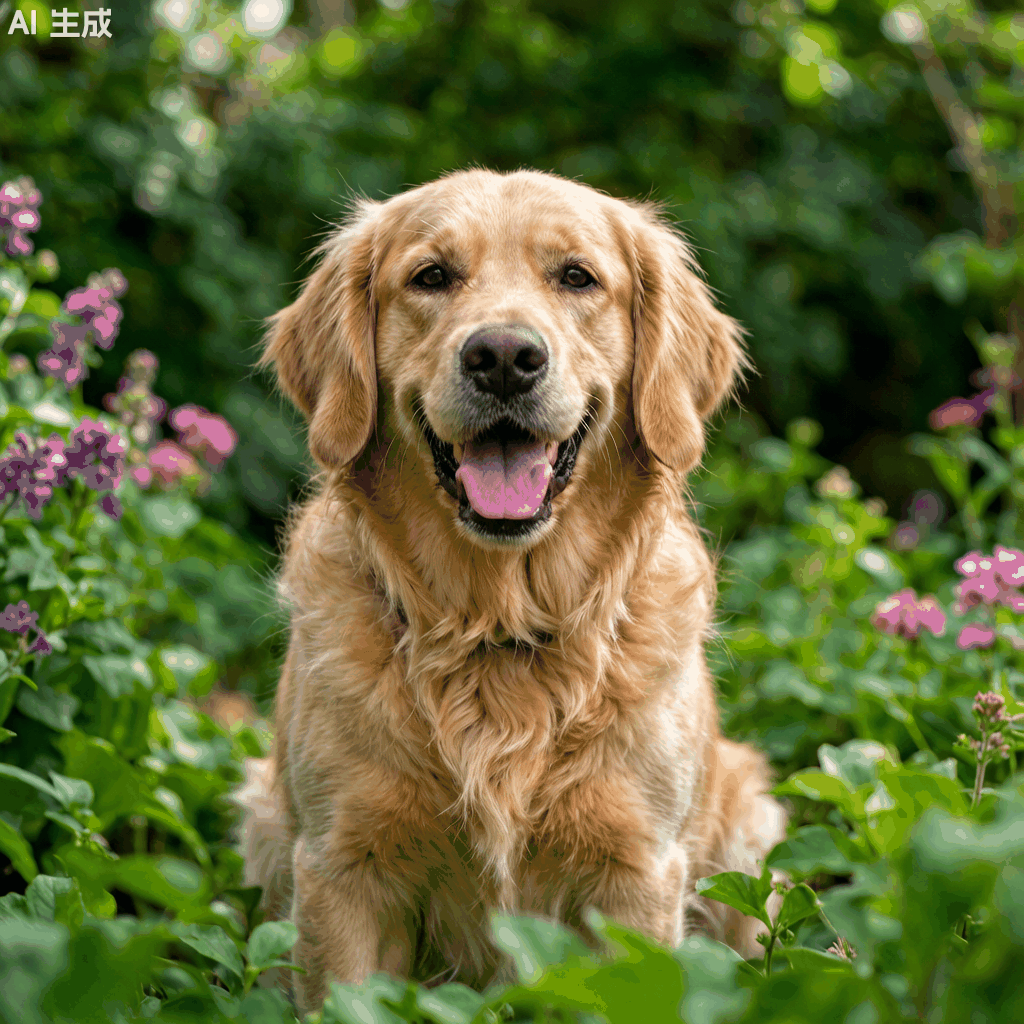
Introduction
The Golden Retriever is one of the most beloved dog breeds worldwide, known for its friendly temperament, intelligence, and beautiful golden coat. Originally bred in Scotland during the mid-19th century, this breed has become a popular family companion and working dog. Golden Retrievers excel in various roles, including search and rescue, therapy work, and as assistance dogs for people with disabilities.
These dogs are renowned for their gentle nature and eagerness to please, making them excellent companions for families with children. Their patience and tolerance have earned them a reputation as one of the most trustworthy breeds around young family members. The Golden Retriever consistently ranks among the top five most popular dog breeds in many countries.
Taxonomy
The Golden Retriever belongs to the family Canidae and is a domesticated subspecies of the gray wolf. Its scientific name is Canis lupus familiaris, reflecting its status as a domesticated canine. The breed was developed by Lord Tweedmouth in the Scottish Highlands through careful breeding programs that combined various retriever and spaniel breeds.
Within the broader classification of dogs, Golden Retrievers belong to the sporting group, specifically classified as gun dogs. They share ancestry with other retriever breeds and were originally developed to retrieve waterfowl during hunting expeditions. Their close relatives include the African wild dog and other canids, though domestic dogs have diverged significantly from their wild cousins through thousands of years of selective breeding.
Physical Characteristics
Golden Retrievers are medium to large-sized dogs with a distinctive golden coat that ranges from light cream to dark golden shades. Males typically stand 22-24 inches tall at the shoulder and weigh between 65-75 pounds, while females are slightly smaller at 20-22 inches and 55-65 pounds. Their bodies are well-balanced and athletic, designed for endurance and agility.
The breed features a dense, water-repellent double coat that provides insulation during cold weather and protection when retrieving from water. Their heads are broad with a kind expression, featuring dark brown eyes and pendant ears that hang close to the head. The tail is thick and muscular, typically carried level with the back or slightly elevated when the dog is alert. Like their relatives the red fox, they possess keen senses that serve them well in their working roles.
Habitat
Golden Retrievers are highly adaptable dogs that thrive in various living environments, from suburban homes with large yards to urban apartments, provided they receive adequate exercise. Originally bred in the Scottish Highlands, they were developed to work in challenging terrain including moorlands, forests, and bodies of water. Their water-resistant coats make them particularly suited for retrieving game from lakes and rivers.
As domestic companions, Golden Retrievers prefer environments where they can be close to their human families. They do not tolerate being left alone for extended periods and thrive on social interaction. Access to outdoor spaces for exercise and play is ideal, though they can adapt to apartment living with sufficient daily physical activity. Unlike wild canids that might inhabit diverse ecosystems, domestic Golden Retrievers have evolved to live alongside humans in residential settings.
Diet
Golden Retrievers require a balanced diet formulated for medium to large breed dogs. As active dogs, they benefit from high-quality protein sources to maintain muscle mass and support their energetic lifestyle. Their diet should include appropriate proportions of proteins, fats, carbohydrates, vitamins, and minerals to support overall health and maintain their luxurious coat condition.
Portion control is essential for Golden Retrievers, as they are prone to overeating and weight gain. Many Golden Retrievers have hearty appetites and will eat continuously if food is freely available. Treats should be given in moderation and should not exceed 10% of their daily caloric intake. Fresh water must always be available, especially after exercise sessions. Some dogs may have food allergies or sensitivities, requiring specialized diets under veterinary guidance.
Reproduction
Golden Retrievers reach sexual maturity between six to twelve months of age, though responsible breeding typically waits until dogs are at least two years old and have undergone health testing. Female Golden Retrievers experience estrus cycles approximately every six to twelve months, with each cycle lasting about three weeks. Litter sizes typically range from six to eight puppies, though larger litters are not uncommon.
Pregnancy in Golden Retrievers lasts approximately 63 days from conception. During this period, females require increased nutrition and should receive regular veterinary care. Puppies are born with their eyes closed and begin opening them at around two weeks of age. Early socialization is crucial for Golden Retriever puppies, as their temperament and behavior are shaped significantly during their first few months of life. Reputable breeders focus on producing healthy, well-tempered puppies that conform to breed standards.
Conservation
Unlike wild species facing conservation challenges, Golden Retrievers face no threat of extinction. In fact, they are one of the most popular and widely bred dog breeds globally. However, the breed faces significant health concerns that responsible breeding programs aim to address. Hip dysplasia, elbow dysplasia, heart conditions, and certain cancers are prevalent in the breed and require careful genetic screening.
Responsible breeding practices emphasize health testing and genetic diversity to reduce the incidence of hereditary diseases. Many organizations work to educate potential owners about the importance of obtaining dogs from reputable breeders who prioritize health and temperament over appearance alone. Rescue organizations also play a vital role in rehoming Golden Retrievers whose owners can no longer care for them, ensuring these dogs find loving forever homes.
Fun Facts
Golden Retrievers are known for their remarkable intelligence and consistently rank among the top five smartest dog breeds. They can learn hundreds of commands and often master complex tasks in fewer repetitions than most other breeds. Their gentle mouth control allows them to carry raw eggs without cracking them, a trait developed from their retrieving heritage.
The breed has a distinctive “smile” that owners recognize as a sign of happiness and contentment. Many Golden Retrievers love water so much that they will seek out puddles, pools, or any body of water for swimming, reflecting their breeding as water retrievers. They have appeared in numerous films and television shows, including the popular “Air Bud” series, showcasing their trainability and friendly nature. These dogs have also served as search and rescue dogs in major disaster zones, using their keen sense of smell to locate survivors.