 By st20113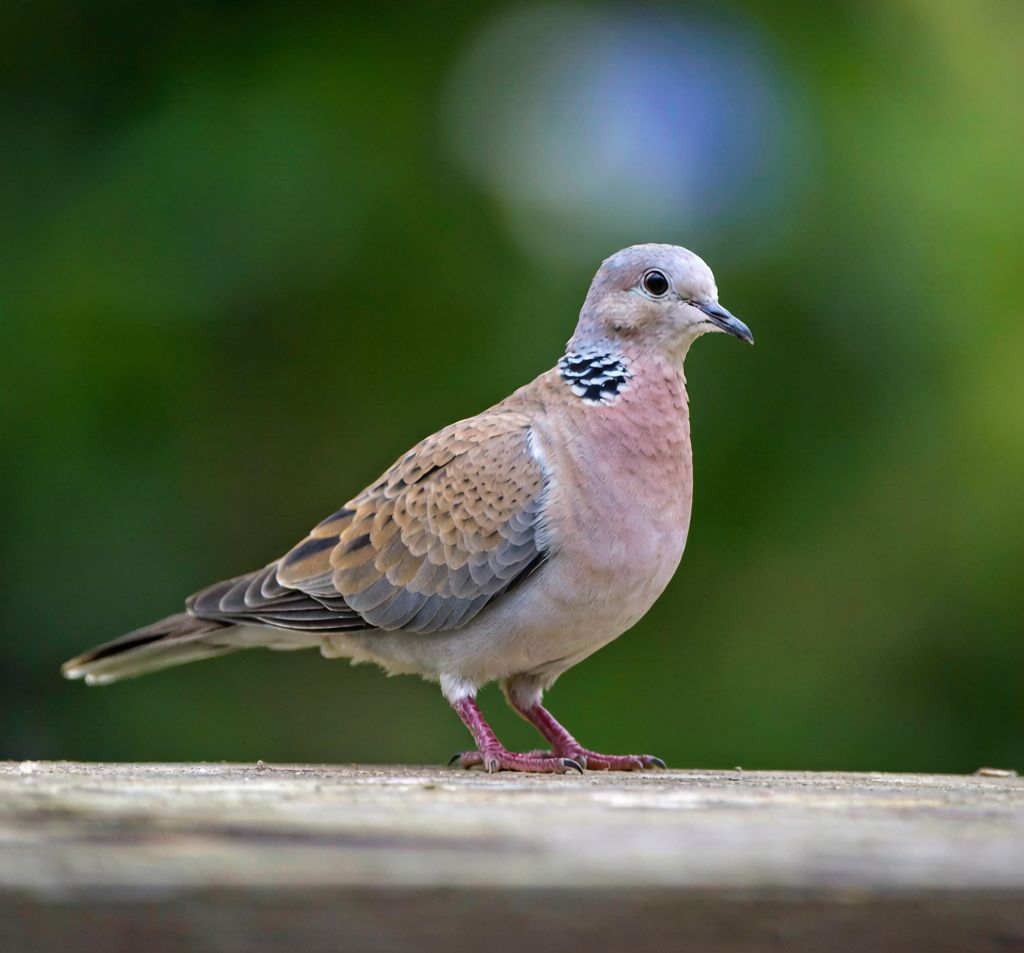
Introduction
The European Turtle Dove (Streptopelia turtur) is a migratory bird species belonging to the pigeon family. Known for its gentle purring call and elegant plumage, this dove breeds across Europe and winters in sub-Saharan Africa. The species has experienced dramatic population declines in recent decades, making it a conservation priority across its range. Unlike the more familiar mallard, which remains common across Europe, the turtle dove has become increasingly rare. This species exemplifies the rich biodiversity of European ecosystems and the importance of conservation efforts across the continent. Natural habitats continue to face pressures from human activities including agriculture, urbanization, and climate change. Understanding species ecology and implementing effective conservation measures remain critical priorities for maintaining healthy populations of wildlife throughout Europe. The species represents an important component of its ecosystem and contributes to the ecological processes that maintain healthy natural environments.
Taxonomy
Streptopelia turtur is a member of the Columbidae family, which includes pigeons and doves. The genus Streptopelia contains numerous species commonly called turtle doves and collared doves. Several subspecies are recognized, differing slightly in plumage and distribution. The species name turtur is derived from the bird’s distinctive call. Taxonomic relationships within the genus have been clarified through molecular studies showing the turtle dove’s close relationship to other migratory dove species.
Physical Characteristics
European turtle doves are slender, medium-sized birds measuring approximately 26 to 28 centimeters in length. The plumage features a pinkish-brown breast, a black and white striped patch on the neck, and a distinctive scaly pattern on the back. The tail is dark with white edges, visible in flight. Males and females appear similar, though males may have slightly brighter coloration. The species is smaller and more delicately built than the widespread common buzzard, which represents a very different raptor lifestyle.
Habitat
This species favors open countryside with scattered trees, woodland edges, and hedgerows. Turtle doves require dense shrubbery for nesting and open ground for feeding. Agricultural landscapes with traditional farming practices provide suitable habitat, but modern intensive agriculture has reduced habitat quality across much of Europe. The species breeds throughout western and central Europe, preferring warmer southern regions where habitat conditions remain more favorable.
Diet
European turtle doves feed primarily on seeds from wild plants, including fumitory, chickweed, and various grasses. They forage on the ground, often in cultivated fields or weedy areas. Unlike some pigeon species, turtle doves rarely feed in large flocks, preferring to forage alone or in pairs. They supplement their diet with small insects during the breeding season, particularly when feeding chicks. Changes in agricultural practices have reduced the availability of the weed seeds that form the bulk of their diet.
Reproduction
Breeding begins in late spring, with pairs forming monogamous bonds. Nests are flimsy platforms of twigs placed in trees or dense shrubs. The female typically lays two white eggs, which both parents incubate for about 14 days. Chicks fledge after approximately 20 days. Turtle doves may raise two or three broods per season if conditions are favorable. The breeding success rate has declined in many areas due to reduced food availability.
Conservation
The European turtle dove has suffered one of the most severe population declines among European birds, with numbers decreasing by over 70 percent since the 1980s. Key threats include habitat loss due to agricultural changes, hunting during migration, and reduced food availability. Conservation efforts focus on habitat restoration, sustainable hunting regulations, and international cooperation along the migration route. The species requires urgent conservation action across its range to reverse ongoing declines.
Fun Facts
The turtle dove’s soft, rhythmic purring call is a beloved sound of the European summer, celebrated in folklore and literature. The species appears in the Christmas carol The Twelve Days of Christmas. Turtle doves mate for life, symbolizing devotion and fidelity. Their scientific name, Streptopelia turtur, reflects the soothing nature of their vocalization. Unlike the familiar great tit, which is a common garden bird throughout the year, the turtle dove is now a rare summer visitor that requires specific conservation measures.