 By st20113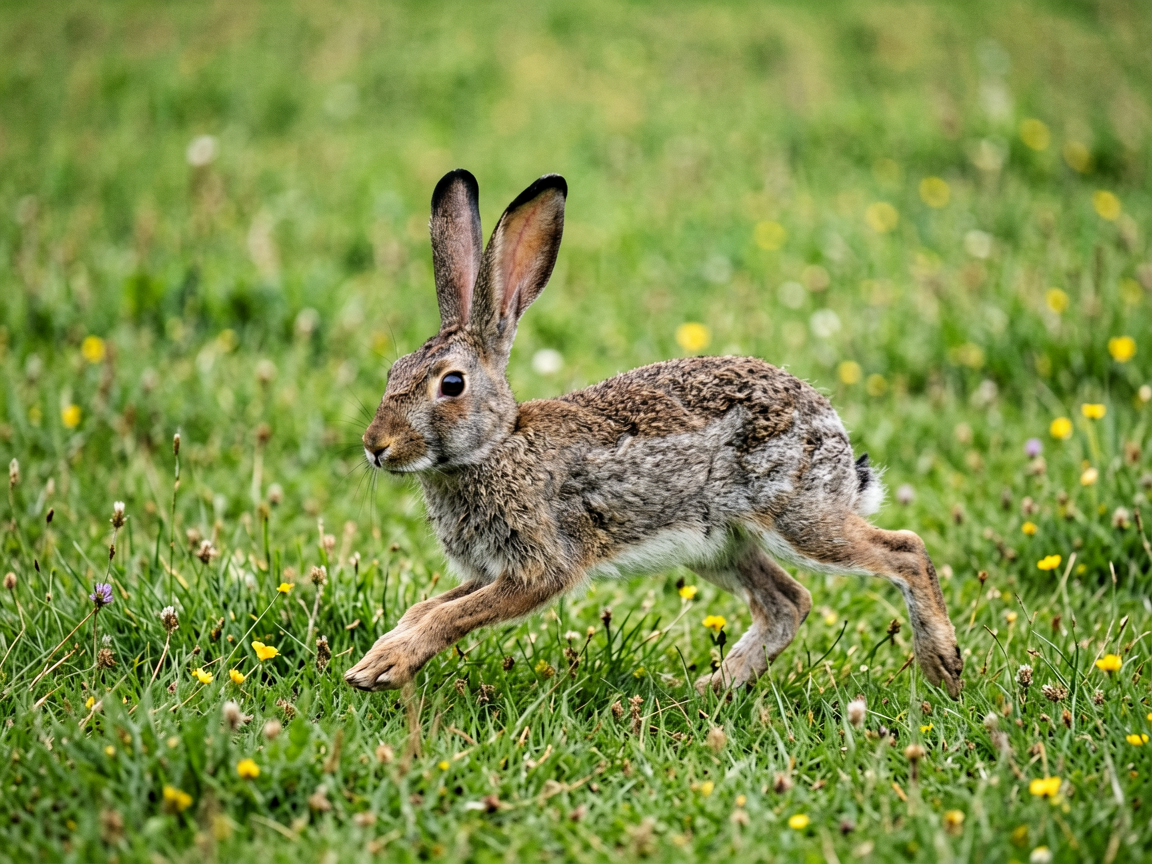
Introduction
The European Hare, scientifically known as Lepus europaeus, is a widespread lagomorph found throughout Europe and parts of Asia. This swift and agile mammal is easily recognised by its long ears, powerful hind legs, and distinctive coat that changes color seasonally. European Hares are among the fastest mammals in Europe, capable of reaching speeds up to 70 km/h. They play an important role in grassland ecosystems as both prey and seed dispersers, influencing vegetation structure through their grazing behavior.
Taxonomy
The European Hare belongs to the family Leporidae, which includes hares and rabbits. Molecular studies have identified several subspecies across its vast range, from Ireland to Japan. The species was first described by Carl Linnaeus in 1758. Genetic analysis shows that Lepus hares diverged from other leporids approximately 5 million years ago. The European Hare is closely related to the Arctic Hare, with which it shares similar body plans but different adaptations to cold climates.
Physical Characteristics
European Hares measure 45–70 cm in body length, with ears adding another 10–12 cm. Adults weigh between 3.5–7 kg, with males slightly smaller than females. Their long, powerful hind legs are adapted for speed and jumping, while their large ears help regulate body temperature. The coat is reddish-brown in summer, turning grayish-brown in winter, except for the black-tipped ears which remain dark year-round. Hares have excellent vision with eyes positioned on the sides of their heads, providing nearly 360-degree vision to detect predators.
Habitat
European Hares inhabit open grasslands, agricultural fields, and forest edges. They prefer areas with short vegetation for detecting predators and tall cover for shelter. Hares create shallow depressions called forms in grass or under bushes where they rest during the day. They are absent from dense forests and heavily urbanized areas, favoring transitional habitats that provide both food and cover. Some populations can be found at elevations up to 2,000 meters in mountainous regions.
Diet
European Hares are herbivorous, feeding on grasses, herbs, bark, and agricultural crops. They are selective grazers, preferring nutritious young shoots over mature vegetation. Hares can consume up to 20% of their body weight daily. They practice coprophagy, eating special fecal pellets called cecotropes to extract additional nutrients. During winter, they browse on twigs, bark, and berries when green vegetation is unavailable. Their digestive system is highly efficient at extracting nutrients from fibrous plant material.
Reproduction
European Hares breed from January to July, with females producing 2–3 litters of 1–6 kits each. Unlike rabbits, hares do not burrow but give birth to well-developed young called leverets in shallow forms. Leverets are born with fur and open eyes, capable of running within hours. Females nurse their young only once or twice daily, spending most of the day foraging. Young hares reach sexual maturity at 3–4 months but typically breed only after their first winter.
Conservation
European Hare populations have declined significantly across Europe due to intensive agriculture, habitat loss, and increased predation. The conversion of traditional farmland to monocultures has reduced food availability and shelter. Road mortality is a major threat, with thousands of hares killed annually. Conservation efforts include maintaining field margins, creating wildlife corridors, and managing predator populations. The species is listed as Near Threatened by the IUCN in parts of its range.
Fun Facts
European Hares can run at speeds up to 70 km/h, making them among the fastest mammals in Europe. Their distinctive mating behavior, called boxing, involves males standing on their hind legs and fighting with their front paws. Hares are crepuscular, most active during dawn and dusk when predators are less likely to spot them. A group of hares is called a fluffle, while a group of rabbits is called a herd.