 By st20113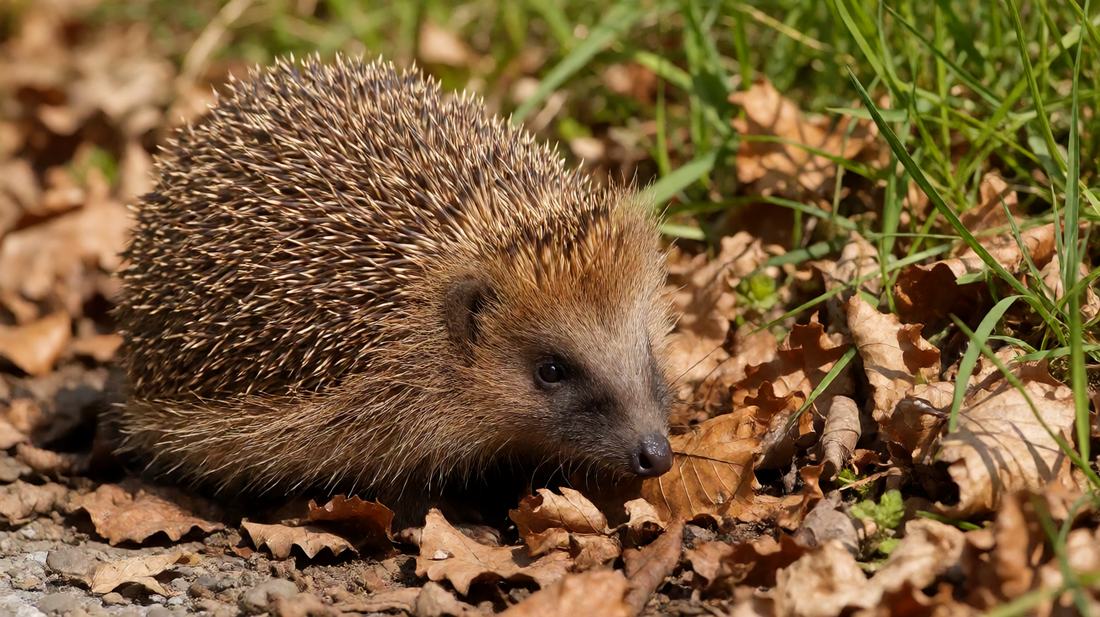
Erinaceus europaeus | European Hedgehog
Species Profile · Erinaceidae
European Hedgehog
The spiny mammal of European gardens and hedgerows — a night hunter of beetles and slugs that rolls into a ball, sleeps through winter, and is now falling in Britain.
IUCN: Least Concern
Range
Body
Weight
Spines
Litters
The spiny garden visitor
Europe’s best-known hedgehog
The European hedgehog is a small spiny mammal. Most people in Europe know it well. It often comes into gardens after dark. It is not a rodent. It is closer to shrews and moles than to mice. Its back and sides carry thousands of stiff spines. Each spine is a changed hair. Its face, belly and legs have coarse fur.
When danger comes, it rolls into a ball of spines. That works against foxes and badgers. It does not work against cars. The species lives across most of Europe. It runs from Britain and Spain east into Russia. People took it to New Zealand. It likes edge places. It lives in hedgerows, scrub, parks, gardens and rough grass.
It needs two things. It needs enough insect food. It needs cover to sleep in by day. It is awake at night and lives alone. It sleeps through winter in the north and east of its range. Numbers have fallen sharply in Britain. They have also fallen in parts of western Europe.
Family tree
Erinaceidae, the hedgehogs
The European hedgehog is in the family Erinaceidae. That is the hedgehog and moonrat family. It sits in the genus Erinaceus. Linnaeus named the species in 1758. For a long time people treated all west European hedgehogs as one species. Later work split them into a western and an eastern form. The northern white-breasted hedgehog of eastern Europe and Asia is now a separate species. The two meet and breed in central Europe.
The name Erinaceus is Latin for hedgehog. The family sits in the order Eulipotyphla. That order holds hedgehogs, shrews, moles and solenodons. Genetic work has since pulled the old group apart. Hedgehogs are the spiny branch of it. Their fossils go back to the Eocene. The body plan has changed very little since then. The European hedgehog is a distant relative of the common shrew.
The shrew is much smaller. It is in the same order and eats the same kind of food. The two live side by side in hedgerows and leaf litter. Both turn over dead leaves for beetles and worms. Some island forms run larger than those on the mainland. Most of those names are not now accepted.
Spines, snout and claws
How to identify one
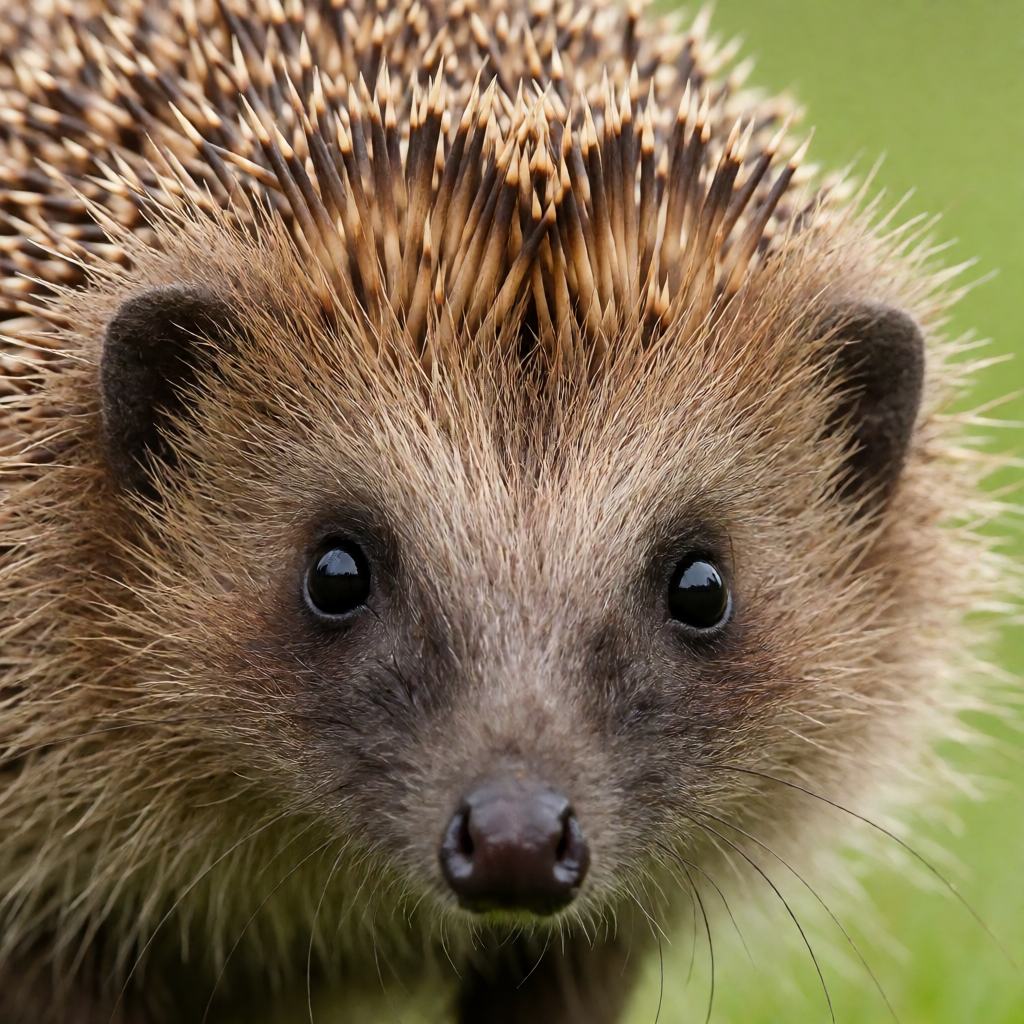
An adult hedgehog is 20 to 30 cm from nose to rump. It weighs 600 to 1200 g. An animal fattening up for winter can reach 1600 g. Males are a little bigger than females. The spines are the key feature. An adult has 5000 to 7000 of them. Each one is about 2 to 3 cm long. Each is hollow and sits in a sheet of muscle under the skin. Each spine is cream at the base and tip. A dark band sits between.
That gives the animal its speckled brown look. Spines fall out and grow back through life. They have no barbs and do not pull out easily. The face and belly have coarse brown fur. The snout is pointed and black. The nose is always wet. The eyes are small and black. The ears are small and round. They sit half hidden in fur. The legs are short.
Each foot has 5 toes with strong claws. The animal digs well for its size. A ring of muscle runs right around the body. It lets the animal roll up into a ball. A rolled animal shows only spines. Its head and feet are tucked out of sight. Smell is its best sense. Hearing comes next. Sight is poor. It swims and climbs well despite its shape.
1
2
3
Hedgerows, woods and gardens
Where it lives
The hedgehog is an animal of edges. It does not live deep in woods or out in open fields. It does best where cover sits close to feeding ground. It likes hedgebanks, scrub, wood edges, bramble, plots, parks and gardens. It uses woods when there is a thick shrub layer. Ploughed land far from hedges is empty of hedgehogs. So is grass grazed short. The animal sleeps by day in a nest.
The nest is a heap of dry grass and leaves. It sits under a hedge, a bramble, a shed or a compost heap. One animal may use several nests in a season. The winter nest must not freeze. The range covers most of Europe. It runs from Britain, Ireland and Iberia east to Russia and western Siberia. It reaches into Scandinavia. People took it to New Zealand.
There it eats the eggs and chicks of birds that nest on the ground. It does not live in the far north. Winters there are too long for winter sleep to work. It does not live in the driest Mediterranean lowlands. Gardens matter a lot. In Britain many of the animals left live in suburban gardens. Holes in fences, leaf piles and rough corners all help local numbers.
Beetles, worms and slugs
What it eats
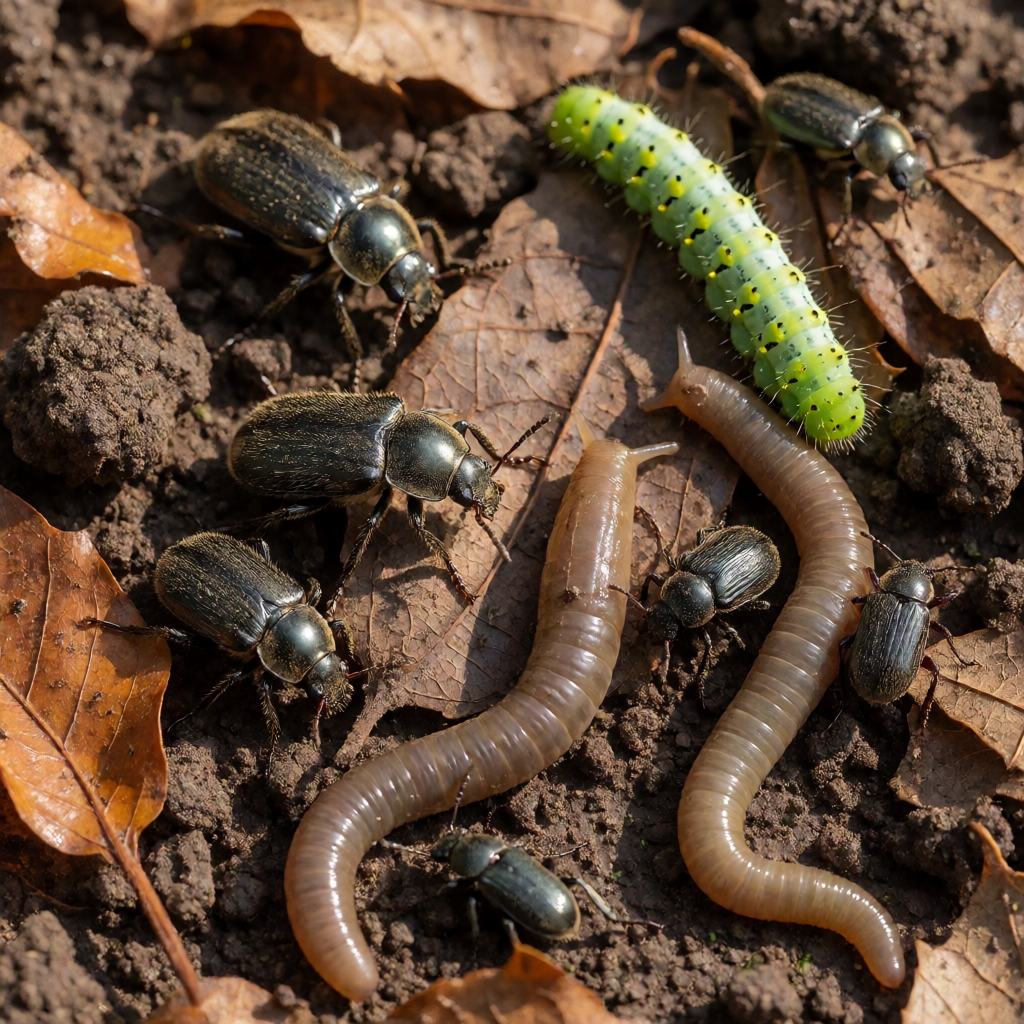
The hedgehog eats what it can find. It is an insect eater that also takes other food. Its main food is small animals from the ground and leaf litter. It takes beetles, caterpillars, earwigs, millipedes, centipedes, spiders, slugs, snails and worms. Worms can make up much of the food on wet nights. Beetles matter most in summer. It also takes bigger prey when it can.
It eats frogs, small reptiles, bird eggs, chicks and small rodents. It will eat dead meat. It eats fallen fruit and berries in autumn. The animal hunts by smell and sound, not by sight. It may walk 1 to 2 km in a night. Its jaws crush rather than cut. It crunches beetle cases and snail shells.
It can take bites and stings that would kill a mammal of its size. Milk is a problem. Hedgehogs cannot digest lactose. Bread and milk left out for them causes diarrhoea. It can kill an animal that is already weak. Meat-based cat or dog food and water are far better.
One or two litters a year
The breeding cycle
The breeding season runs from April to September. Most mating happens in May and June. Courtship is noisy and can last for hours. The male circles the female. If she is not ready she rolls up or butts him away. They mate with her spines lying flat. Pregnancy lasts 31 to 35 days. A litter usually holds 4 to 6 young. Litters of 1 to 10 happen. Most females raise 1 litter a year in the north.
They may raise 2 in the south or in a long warm year. The young are born in a nest of grass and leaves. They are blind and pink. Their spines are soft and under the skin at birth. The spines stiffen within hours. They are full in about 2 weeks. The eyes open at 10 to 14 days. The mother feeds them milk for 4 to 6 weeks. Then she drives them off. Hedgehogs live alone and do not form family groups.
A late litter often fails. The young are too small to live through winter. They can breed at about 1 year. Winter sleep shapes the whole cycle. In the north and east the animal goes into a nest in October or November. It stays until March or April. Its body heat falls to near the air around it. Its heart rate falls from about 190 beats a minute to about 20. Animals in the mild south may stay awake or wake often.
Least Concern, falling in Britain
Conservation
The hedgehog is Least Concern on the global Red List. Its range is still large. It is still common across most of Europe. Britain is a different story. Surveys there point to a fall of 30 to 75 per cent since 2000. The animal is now classed as at risk of loss in Britain. Parts of western Europe show the same trend. The causes add up rather than come one at a time. Roads kill many adults each year.
A hedgehog on a road tends to freeze or roll up. It does not run. Loss of hedges and rough ground has cut feeding and nesting space. Tidy parks and gardens do the same. Pesticides cut the insect food it needs. Badgers kill many hedgehogs. Where badgers are many, hedgehogs are few. In New Zealand the animal is a pest. It eats native insects and the eggs of ground-nesting birds.
Help focuses on what a landowner can do. Leave rough corners and log piles. Make holes in fences so animals can move. Stop using slug pellets. Check bonfires and strimmers before you light or run them. Wildlife hospitals take in many thin young each autumn. Those young are too small to live through winter.
Quick hits
Five things to remember
- An adult carries between 5000 and 7000 spines, and each one is a changed hair about 2 to 3 cm long.
- It can roll into a ball of spines because a ring of muscle runs right around its body.
- Hedgehogs cannot digest milk, so bread and milk left out for them causes diarrhoea and makes them weak.
- When it meets a strong smell it may make frothy spit and smear it on its spines, a habit called self-anointing.
- In winter sleep its heart rate falls from about 190 beats a minute to about 20, and its body heat drops near the air around it.