 By st20113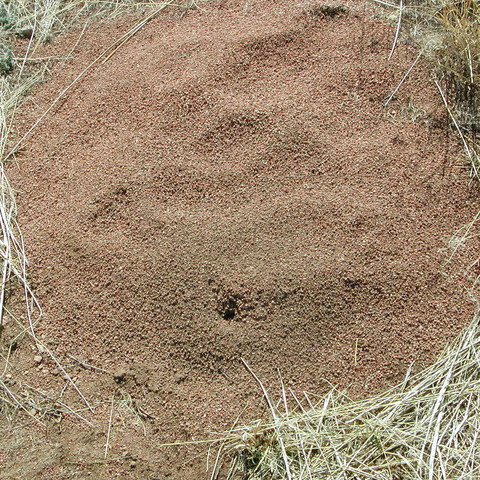
Introduction
The red wood ant (Formica rufa) is a large, reddish-brown social insect that builds impressive mound nests in the forests of Europe and northern Asia. It is a keystone species in many forest ecosystems, influencing pest populations and soil turnover through its constant foraging and nest building. Workers measure about 7 to 11 millimetres long, while the queens are noticeably larger. Colonies can contain tens of thousands of individuals and occupy towering nests made of pine needles, twigs, and soil. As a fellow insect pollinator-adjacent species, it shares the broader world of invertebrates with the honey bee, though ants are primarily predators and scavengers rather than pollinators.
Taxonomy
Formica rufa belongs to the family Formicidae, subfamily Formicinae, within the order Hymenoptera, which also includes bees and wasps. It was described by Carl Linnaeus in 1761. The species is part of the Formica rufa group, a cluster of closely related wood ants across the Northern Hemisphere. These ants are sometimes called thatching ants because of the plant material they pile above their nests. Several similar species were once confused with it before careful morphological study separated them.
Physical Characteristics
Red wood ants have a narrow waist, elbowed antennae, and strong mandibles used for carrying and defence. Their bodies are divided into head, thorax, and abdomen, protected by a tough chitinous exoskeleton. The reddish colour gives the species its common name, though the abdomen is often darker. Workers are polymorphic, meaning they vary in size and perform different tasks. When alarmed, they can spray formic acid from the abdomen, a pungent deterrent effective against many predators and rival ants.
Habitat
These ants prefer sunny clearings, forest edges, and open coniferous or mixed woodlands where the canopy is not too dense. The mounds need warmth and are usually oriented to capture sunlight. Nests are often built at the base of trees, particularly pine, whose resin the ants incorporate into the structure. They avoid waterlogged ground and deep shade. A single mature mound can persist for decades, extended and repaired by successive generations of workers throughout the colony’s life.
Diet
Red wood ants are omnivorous but lean heavily toward animal prey. They hunt insects, spiders, and other small arthropods, and readily collect honeydew, a sugary secretion produced by aphids that the ants tend like livestock. They also scavenge dead invertebrates, helping recycle nutrients in the forest. Predators such as the common green darner and various birds take individual workers, but the colony as a whole is well defended by numbers and formic acid.
Reproduction
Reproduction centres on the annual mating flight, when winged males and young queens leave the nest to mate in the air. After mating, males die and fertile queens shed their wings and attempt to found new colonies, sometimes by taking over existing nests of related species. A queen can live for over a decade, laying eggs continuously during the active season. Workers care for the brood, tending larvae and maintaining the nest’s temperature and humidity with remarkable coordination.
Conservation
The red wood ant is generally common and listed as least concern, but it is sensitive to intensive forestry that removes dead wood and opens the canopy too sharply. In some countries it receives legal protection because of its ecological role in controlling pest insects. Conservation focuses on retaining mature trees, deadwood, and sunlit clearings that support healthy mound-building colonies. Because a single nest can harbour huge numbers, protecting a few sites safeguards enormous insect biomass.
Fun Facts
A large red wood ant mound can house more than 100,000 workers and function like a single superorganism. The ants use scent trails to direct nestmates to food, effectively laying living roads through the leaf litter. They farm aphids for honeydew much as humans farm cattle. Some colonies incorporate conifer resin, which has antimicrobial properties that help keep the nest free of pathogens. Individual workers may live only a year, yet the colony endures for generations.