 By st20113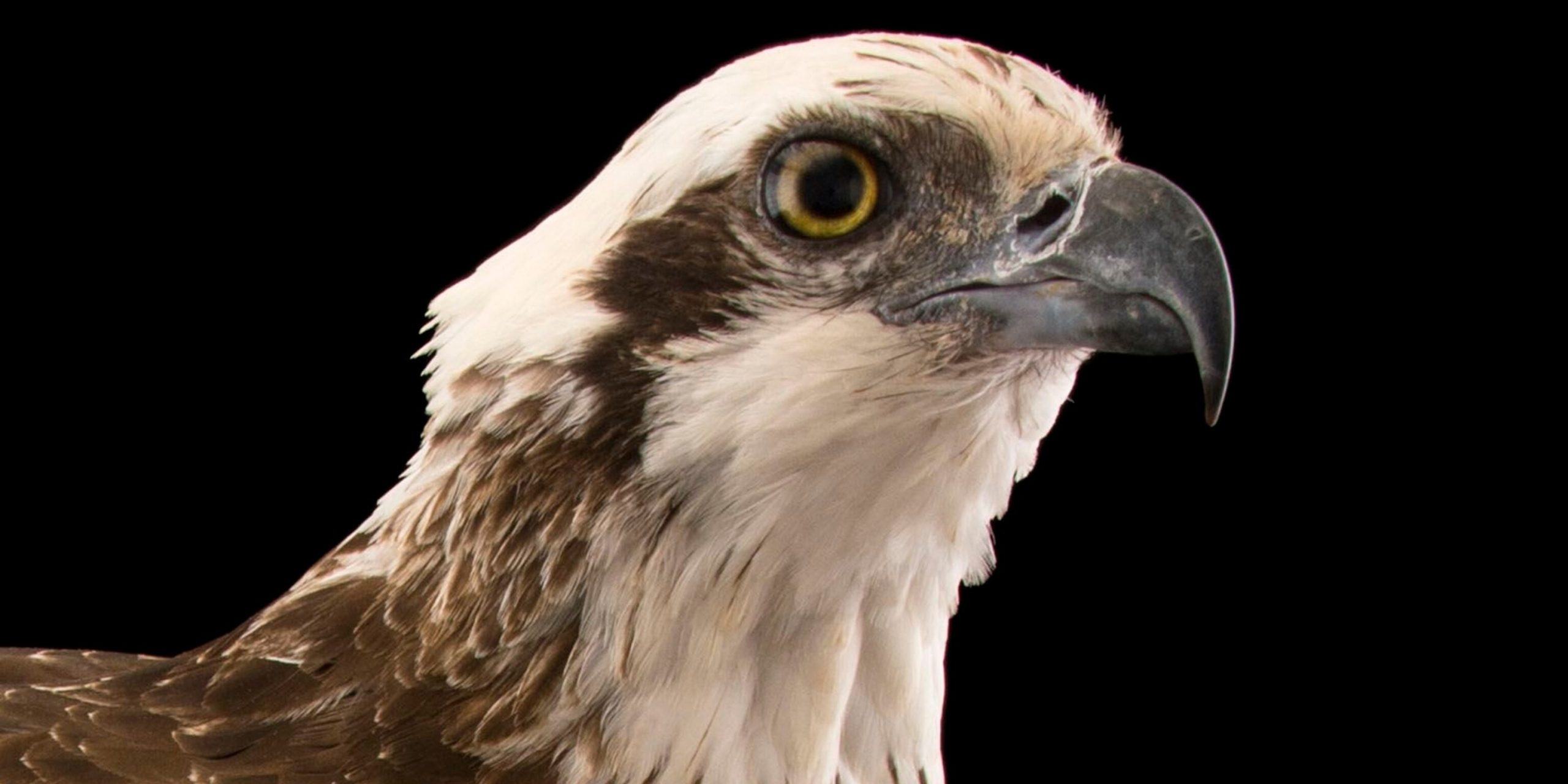
Introduction
The osprey (Pandion haliaetus), known colloquially as the fish hawk, sea hawk, or river hawk, is a medium-to-large raptor with a near-global distribution that spans all continents except Antarctica. Uniquely among birds of prey, the osprey is almost exclusively ichthyophagous—its diet consists of live fish to an extraordinary degree of over 99% of prey items. This specialisation has driven remarkable anatomical adaptations: the osprey’s reversible outer toe, dense plumage, nasal valve that prevents water entry during dives, and closable nostrils are all features that make it one of the most efficiently specialised hunters of the avian world. A highly visible and approachable raptor, the osprey has become a beloved symbol of wetland and coastal ecosystems worldwide, and its recovery from near-extirpation in parts of its range following DDT contamination is a celebrated success story in wildlife conservation.
Physical Characteristics
The osprey measures 50–66 centimetres (20–26 inches) in length with a wingspan of 127–180 centimetres (4–6 feet), making it comparable in size to the red-tailed hawk. Sexual dimorphism is moderate, with females averaging 10–20% larger than males. The plumage is dark brown above and white below, with a distinct dark eye-stripe extending from the base of the bill through the eye to the back of the head. The head is white with a dark crown stripe, and the wings are long, angular, and distinctly bent at the carpal joint when in flight, giving a characteristic M-shaped silhouette.
The most functionally distinctive anatomical feature is the highly specialised foot: unlike other raptors, the osprey has a reversible outer toe (zygodactyl foot configuration) that can be directed forward or backward, allowing a secure, two-forward-two-back grip on slippery fish scales. The soles are covered in sharply spined papillae that provide additional grip on wet, smooth surfaces. The talons are uniquely curved and sharp for impaling fish, and the beak is short, strongly hooked, and adapted for tearing fish flesh rather than the flesh of mammals or birds.
Habitat and Distribution
The osprey has one of the widest distributions of any raptor, breeding on every continent except Antarctica and Australia, with four subspecies recognised across this range. It inhabits a wide variety of freshwater and coastal aquatic environments including lakes, rivers, reservoirs, estuaries, mangroves, coral reefs, coastal cliffs, and marine islands. The essential habitat requirement is accessible shallow water with abundant fish and elevated perch or nesting sites (trees, cliffs, human structures) within foraging range.
The species’ migratory patterns vary by region. Ospreys in North America and Europe are largely migratory, wintering in Central and South America, sub-Saharan Africa, and southern Asia respectively. Populations in tropical and subtropical regions are largely sedentary. Migration involves long-distance flights along coastlines and major river systems, with individuals returning faithfully to the same breeding and wintering territories year after year. Some individuals have been tracked making trans-oceanic migrations of thousands of kilometres between breeding and wintering grounds.
Hunting and Feeding Behaviour
The osprey’s hunting technique is a dramatic and highly efficient aerial dive. The bird typically locates prey from an elevated perch or from hovering at heights of 10–40 metres, scanning the water below with acute binocular vision capable of detecting fish through the water’s surface. When a target is identified, the osprey executes a steep, controlled dive—plummeting feet-first from heights of up to 30 metres—and impacts the water at speeds of up to 80 km/h (50 mph). The wings are partially folded back during the dive, and the bird penetrates up to one metre below the surface before seizing the fish with its specialised talons.
Upon capture, the osprey adjusts the fish to a head-forward position in the talons for aerodynamic efficiency during transport, then flies to a perch or nesting site to consume the prey. This fish-carrying alignment is a diagnostic behavioural feature that distinguishes osprey from other raptors that occasionally take fish. Hunting success rates are high: studies suggest osprey capture fish on 50–75% of attempted dives, making them among the most efficient fish-hunting birds in the world. Adults consume 200–300 grams of fish daily, with breeding adults requiring considerably more during the chick-rearing period.
Nesting and Breeding
Osprey breeding is seasonal across most of the range, with timing varying by latitude. Nests (eyries) are large structures of sticks and twigs, typically built on elevated platforms that provide clear sight lines and protection from terrestrial predators. Natural sites include cliff ledges, dead snags, and large trees, while human-made structures—power poles, transmission towers, navigation markers, buoys, and purpose-built nesting platforms—have become increasingly important nesting substrates across much of the range.
Both sexes contribute to nest building and maintenance, with pairs returning to the same nest site year after year and adding new material on each visit, resulting in enormous structures weighing several hundred kilograms after decades of use. Clutches of 2–4 eggs (typically 3) are incubated by both parents for approximately 35–43 days. Both parents feed the chicks, tearing fish into small pieces and delivering it to the nest. Young ospreys fledge at approximately 50–55 days of age and become independent 2–8 weeks later. Survival rates are relatively high once fledged, with annual adult survival rates of approximately 70–80%.
Conservation and Human Relationship
The osprey is one of the most visible examples of wildlife recovery following environmental legislation. During the DDT era (approximately 1950s–1970s), osprey populations in North America and Europe collapsed as the organochlorine pesticide accumulated through the food chain, causing eggshell thinning and reproductive failure. Following the 1972 US ban on DDT and the listing of the osprey under the Migratory Bird Treaty Act, populations rebounded dramatically and the species recolonised much of its former range, including areas from which it had been extirpated.
Today, the osprey is classified as Least Concern globally by the IUCN, with populations generally stable or increasing. Human-wildlife conflict is generally low: ospreys rarely predate economically important fish stocks, and they readily nest on human structures without significant conflict. The species has become a flagship for wetland conservation, and osprey nesting platforms are actively promoted by conservation organisations as a cost-effective tool for engaging communities in habitat protection. In some regions, osprey nesting activity has been monitored for decades, providing invaluable long-term data on population trends, migration routes, and the health of aquatic ecosystems.