 By st20113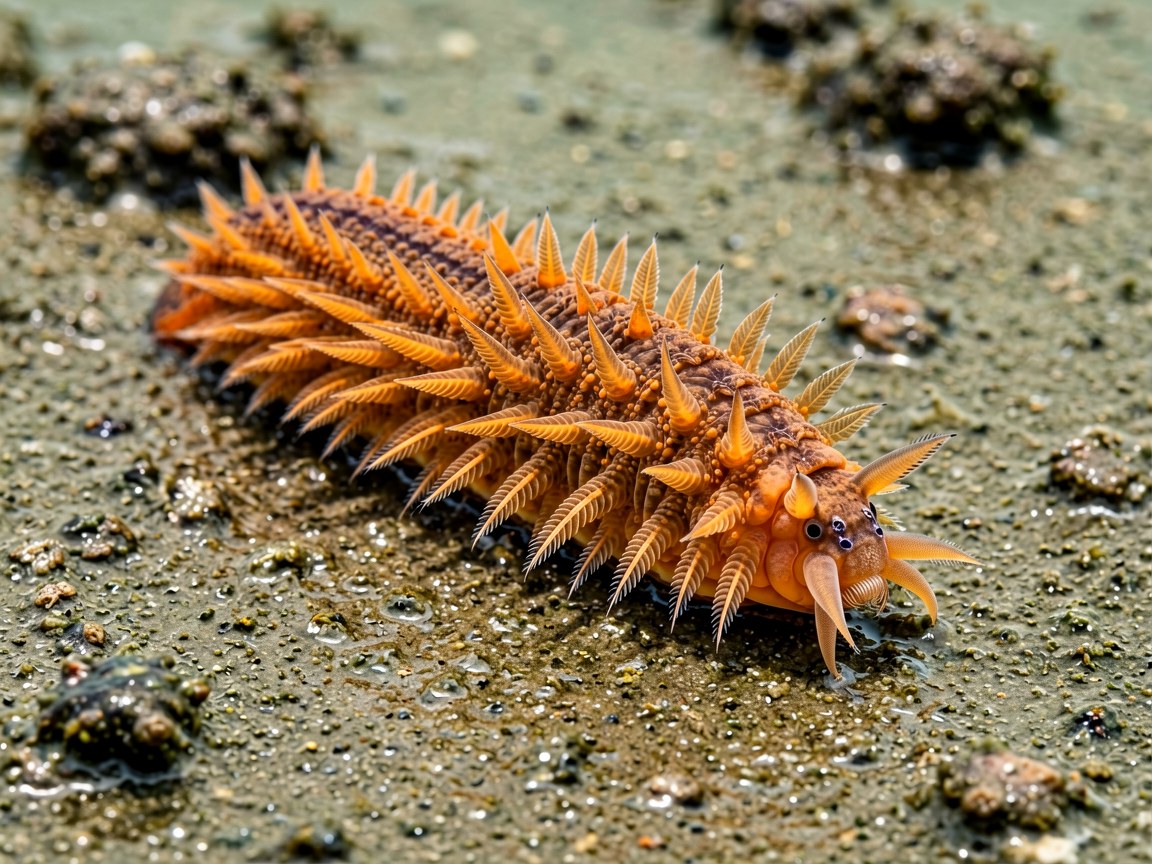
Hediste diversicolor | Baltic Ragworm
Introduction
The Baltic ragworm (Hediste diversicolor), also called the harbour ragworm, is a tough, adaptable segmented worm of estuaries, brackish lagoons, and sheltered muddy shores. Its name means “variously colored,” and indeed its body ranges from bright orange through green to dark brown depending on diet and habitat. Equally at home in full seawater and near-fresh conditions, it is one of the most pollution-tolerant worms in European coastal waters and a crucial food source for fish and wading birds.
Taxonomy
Hediste diversicolor belongs to the family Nereididae within the class Polychaeta and the phylum Annelida—the segmented worms, the same phylum that includes Lumbricus terrestris (Common Earthworm). Like other nereidids, it has a well-developed head with sensory palps and antennae, a body of many similar segments each bearing paddle-like swimming or gripping bristles, and a powerful eversible proboscis armed with jaws.
Physical Characteristics
Adults are typically 5–15 cm long, though large specimens reach 20 cm. The body is flattened, tapering toward the rear, and divided into numerous segments, each with a pair of fleshy, bristle-tipped lobes called parapodia that serve for crawling, swimming, and burrowing. The head carries four eyes, two sensory palps, and antennae. The proboscis can be shot out to seize prey and is armed with a pair of hard, dark jaws and rows of tiny teeth. Color varies from orange-red and green to brown, sometimes with a darker line running along the back.
Habitat
This species lives in estuaries, saltmarshes, brackish lagoons, and sheltered muddy or sandy shores, usually in burrows in the sediment or beneath stones and shells. It tolerates a remarkably wide range of salinities, from near-fresh water to full seawater, and survives low oxygen and periods of pollution that exclude many other species. It is common throughout the Baltic, the North Sea coasts, and Atlantic estuaries of Europe.
Diet
The Baltic ragworm is an opportunistic omnivore. It is an active predator, seizing small worms, crustaceans, and insect larvae with its jaws, and it also scavenges on dead animals and sweeps up detritus and algae from the sediment surface. In soft mud it will construct a mucus-lined burrow and filter-feed, pumping water through it and trapping suspended particles on a mucus net. This dietary flexibility is central to its success in changeable estuarine conditions.
Reproduction
Separate sexes are the rule. As spawning approaches, the worm undergoes a dramatic transformation called epitoky: the body enlarges, the parapodia become paddle-like for swimming, the eyes grow, and the gut degenerates. The modified worms then swarm in huge numbers near the surface, usually at night and often synchronized with the lunar cycle, releasing eggs and sperm into the water. Adults die after spawning, and the larvae settle back to the sediment to grow into the next generation.
Conservation
The Baltic ragworm is common and not threatened, and its tolerance of low oxygen, variable salinity, and organic pollution makes it valuable as an indicator species: where few things survive, ragworms often persist, and their presence or absence is used to assess estuarine health. Its main conservation role is as prey, supporting populations of flatfish, eels, and shorebirds. It is collected as fishing bait in some areas, though generally on a smaller scale than the lugworm.
Fun Facts
- Its scientific name means “variously colored,” and individuals can be orange, green, brown, or reddish.
- Before spawning, the worm transforms into a swimming form with huge eyes and paddle-like limbs, then swarms and dies.
- It can survive in water ranging from nearly fresh to full-strength seawater.
- It filter-feeds by pumping water through a mucus-lined burrow and trapping particles on a sticky net.
- Its tolerance of polluted sediment makes it a standard indicator species for estuary monitoring.
[…] animal shares the class with the Baltic Ragworm. That animal has no tube at all. It hunts in the mud with strong jaws. Our animal lives inside a […]