 By st20113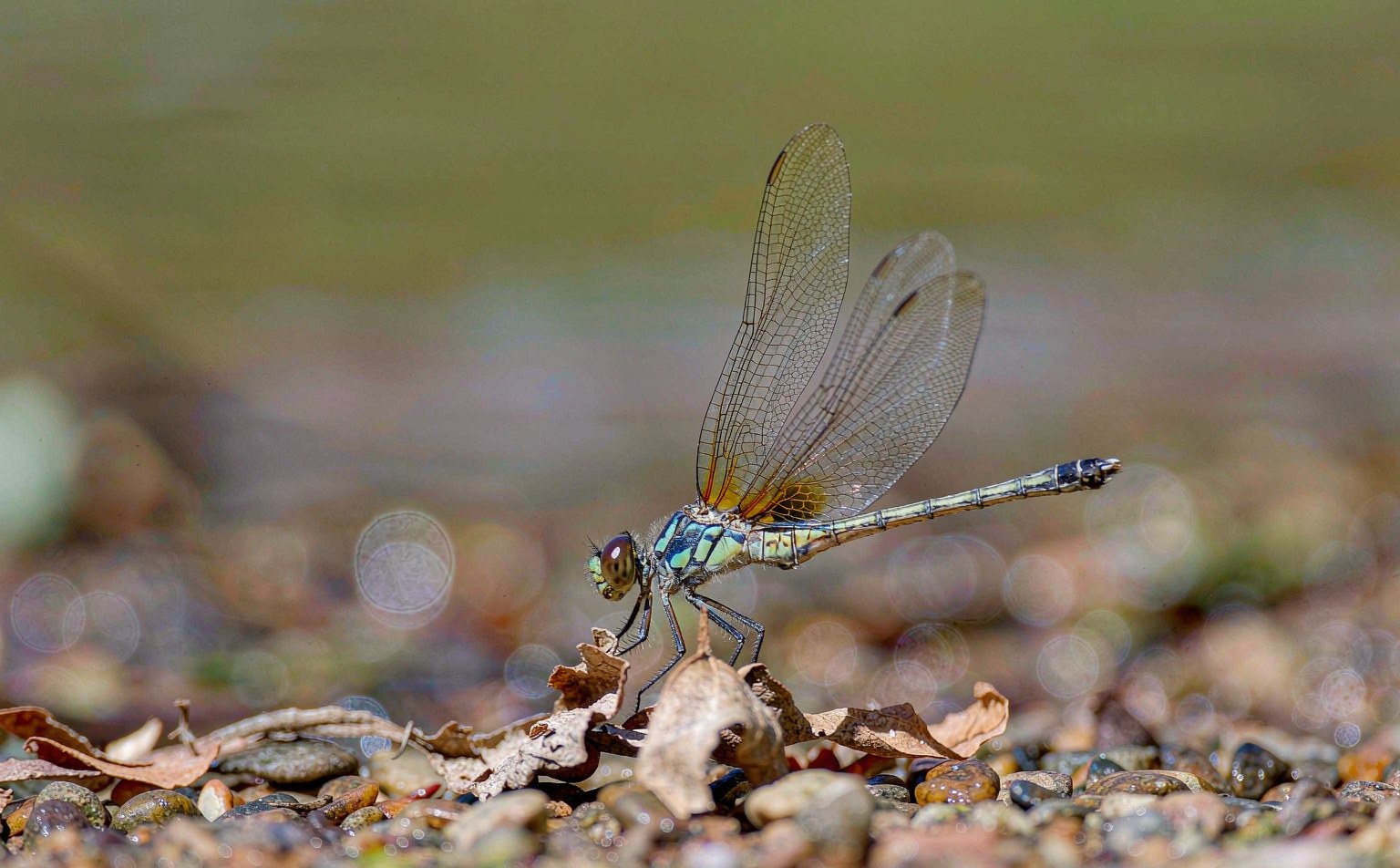
Orthetrum cancellatum | Black-tailed Skimmer
Introduction
The Black-tailed Skimmer (Orthetrum cancellatum) is a broad, robust dragonfly of lakes, gravel pits, slow rivers and canals, a confident flier that patrols open water and settles on bare ground or exposed perches. Reaching about 5 to 5.5 centimetres, it is one of the larger skimmers and is notable for the male’s powder-blue body set against a stark black tip to the abdomen. A warmth-loving species of sunny, open water, it is a familiar sight at busy lowland lakes through the summer and a good example of the “skimmer” dragonflies that hawk low over the surface.
Taxonomy
Orthetrum cancellatum belongs to the family Libellulidae, the skimmers and chasers, a large group of stout, open-water dragonflies. It is one of several Orthetrum skimmers in Europe and is told from them by the combination of a blue, black-tipped male abdomen and clear wings with amber bases. It shares lakes with the Southern Hawker and other dragons, but it flies lower and more evenly, skimming the surface rather than weaving among trees.
Physical Characteristics
Adults are stout dragonflies with a body length near 5 to 5.5 centimetres and a wingspan of about 7 to 8 centimetres. Males develop a pale blue, waxy bloom over a black abdomen, leaving a clear broad black band at the tip—the “black tail” of the name—while females and young males are yellow-brown with a row of dark abdominal spots and no blue. The wings are clear with a yellow to amber tint at the base and a narrow dark pterostigma. The eyes meet broadly on top of the head, and the legs are black. The species is bulkier and blunter-winged than the slender hawkers it flies with.
Habitat
Black-tailed skimmers favour sunny, open, still or slow water: lakes, reservoirs, gravel and clay pits, canals and the broad, quiet reaches of lowland rivers. They like bare margins, shingle and exposed perches where they can bask and watch for prey, and they are less tied to dense reed beds than many species. They meet the European Pond Turtle and the Common Frog at the same shores, sharing the healthy lake edge with a wide freshwater community.
Diet
Adults are agile aerial predators that take a wide range of flying insects—midges, gnats, flies, small moths and even other dragonflies—caught in fast, twisting flight over the water and along the shore. They are beneficial controllers of nuisance insects around lakes. The larvae are ambush predators in the bottom mud and weeds, seizing water fleas, mosquito larvae, small crustaceans and tadpoles with a flick of the extendable lower lip. Both stages sit near the top of the pond food web, linking invertebrates to the fish and birds that prey on the dragonfly itself.
Reproduction
Mating begins with the male forming a tandem and the pair flying together to the water, where the female dips her abdomen to the surface in a series of shallow “hover-and-tap” touches, scattering eggs onto the mud or among weeds just below. The male often guards her from a perch above. The larvae, called nymphs, live in the bottom for a year or more before climbing a stem or rock to moult into the adult. There is no care after egg-laying, and the adults live a few weeks through the summer.
Conservation
The black-tailed skimmer is common and rated Least Concern across much of its range, but it needs sunny, open water and bare basking spots that are easily lost to shading, development and the “tidying” of shorelines. It benefits from leaving some open, gravelly margin, from protecting lowland lakes and pits, and from reducing pollution that harms the larvae. Because it is a conspicuous, warmth-loving predator, its presence is a pleasant sign that a lake still supports a rich insect community.
Fun Facts
- The male’s black abdomen tip gives the species its name.
- Young males and females are yellow-brown, not blue.
- It skims low and evenly over open water, unlike tree-hunting hawkers.
- It often basks on bare ground or shingle at the water’s edge.
- The larva catches prey with a lightning-fast extendable lip.