 By st20113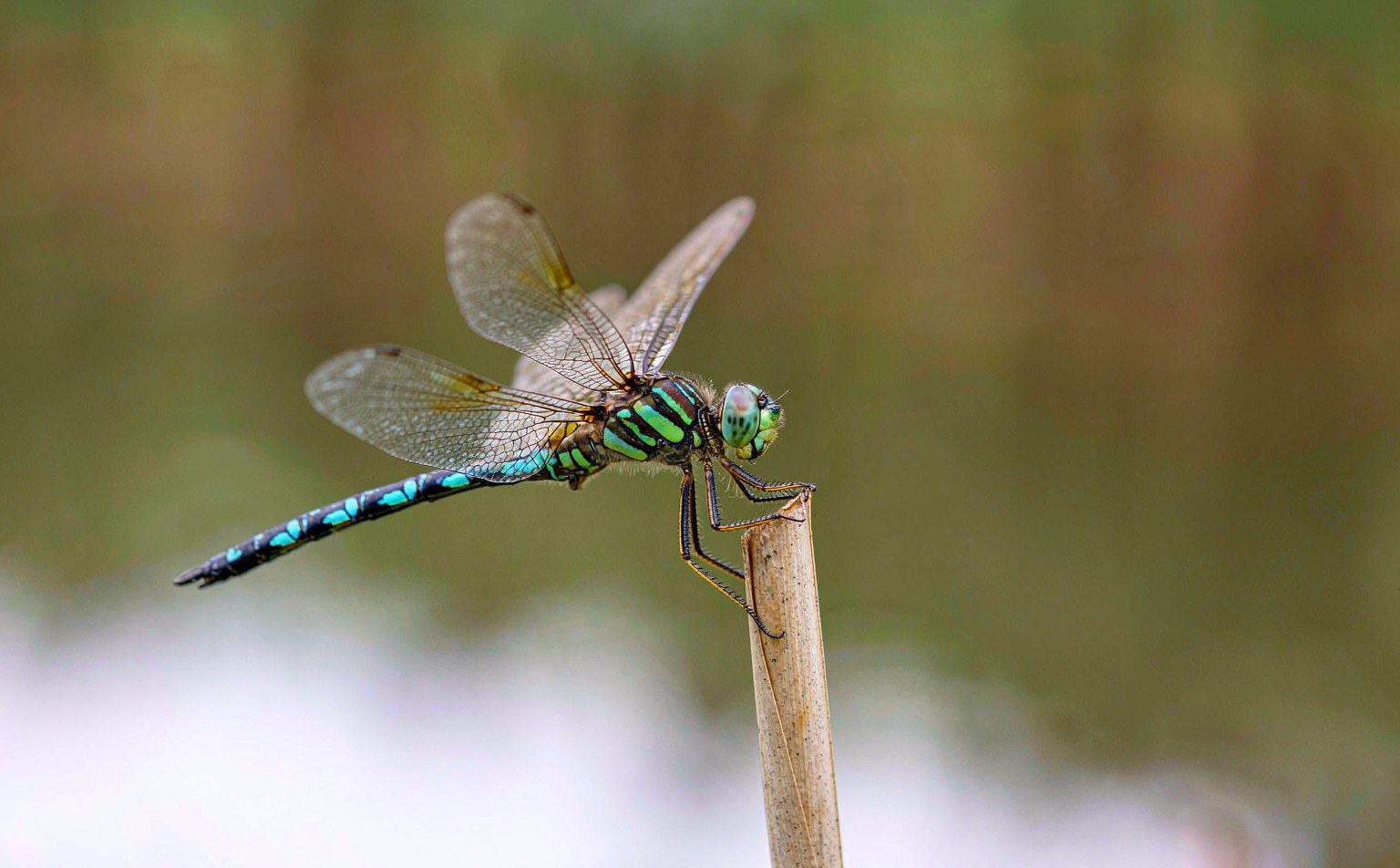
Aeshna cyanea | Southern Hawker
Introduction
The southern hawker, Aeshna cyanea, is a large, colourful dragonfly common across much of Europe, from Spain to Siberia and Britain to the Caucasus. A bold flier of ponds, lakes, and garden pools, it is one of the most frequently encountered hawkers in the region and is notable for the male’s electric-blue abdominal markings and his habit of patrolling tirelessly over water. Despite its fearsome appearance, it is harmless to people and is a beneficial predator of mosquitoes and other flying insects.
Confident and inquisitive, the southern hawker will often approach humans, making it one of the easier dragonflies for beginners to observe at close range.
Taxonomy
Aeshna cyanea was described by the Danish entomologist Johan Christian Fabricius in 1787. It is a member of the family Aeshnidae, the hawker dragonflies, and is closely related to the Emperor Dragonfly, another large, conspicuous species of European waters. The genus Aeshna comprises some of the largest and most powerful dragonflies in the Northern Hemisphere.
Physical Characteristics
The southern hawker is a robust dragonfly with a body length of 70–80 mm and a wingspan near 100 mm. Males have a brown thorax marked with green-yellow stripes and a slender abdomen banded with blue and black, the blue intensifying with maturity. Females are similar but carry yellow or green markings rather than blue. Both sexes have clear, lightly tinted wings with a distinctive yellow leading edge at the base.
The enormous compound eyes meet broadly on top of the head and are striking green, giving the insect superb vision for catching prey in flight. The four wings can beat independently, allowing the hovering, darting, and even backward flight that characterises hawkers. The larval form, the aquatic nymph, is wingless, cylindrical, and armed with a extendable lower lip used to seize prey.
Habitat
Southern hawkers inhabit a wide range of standing and slow-moving waters: ponds, lakes, canals, gravel pits, and garden pools, often with adjacent woodland or tall vegetation for roosting and emergence. They tolerate mildly disturbed habitats and are frequent visitors to suburban gardens, where they hunt among shrubs and along hedges far from water.
The aquatic nymphs require vegetated, unpolluted water in which to develop over one to two years. Adults emerge in summer and disperse widely, but return to water to mate and lay eggs. The species’ tolerance of garden ponds has made it a common urban dragonfly.
Diet
Both adults and nymphs are voracious predators. Adults capture flying insects on the wing — mosquitoes, midges, flies, smaller dragonflies, and butterflies — using their legs as a basket to trap prey before chewing it with strong mandibles. Nymphs ambush aquatic invertebrates, tadpoles, and small fish from among pond vegetation using their spiky lower lip.
Hunting is visual and active; adults patrol regular circuits over territory, intercepting prey with remarkable agility. By suppressing mosquito and midge numbers, southern hawkers provide a natural form of pest control around ponds and wetlands.
Reproduction
Mating occurs in flight, the male first grasping the female behind the head with claspers at the end of his abdomen to form the characteristic “wheel” posture. The pair then flies to water, where the female lays eggs by dipping the tip of her abdomen to the surface or inserting them into emergent plant tissue, often guarded by the hovering male.
Eggs hatch into aquatic nymphs that grow through a series of moults over one to two years, eventually climbing out of the water up a stem to moult into the winged adult. This terrestrial emergence is one of the most visible moments in the dragonfly life cycle.
Conservation
The southern hawker is listed as Least Concern and remains widespread and abundant, benefiting from the proliferation of garden ponds and restored wetlands across Europe. Its main threats are the loss and pollution of clean breeding waters and the removal of marginal vegetation needed by nymphs.
Simple measures — creating and maintaining unpolluted ponds with native aquatic plants, avoiding pesticide use nearby, and preserving damp marginal habitat — strongly support the species. As a top invertebrate predator, the southern hawker reflects the ecological quality of the freshwater systems it inhabits.
Fun Facts
- The southern hawker often flies right up to people, inspecting them with huge green eyes.
- Males develop bright blue abdominal bands as they mature.
- Its nymphs live underwater for one to two years before climbing out to become adults.
- It can hover, dash, and even fly backwards thanks to independently moving wings.
- It eats mosquitoes and midges, making it a welcome garden resident.